Master Sports Recovery: Advance Your Career with a Sports Injury Therapy Diploma
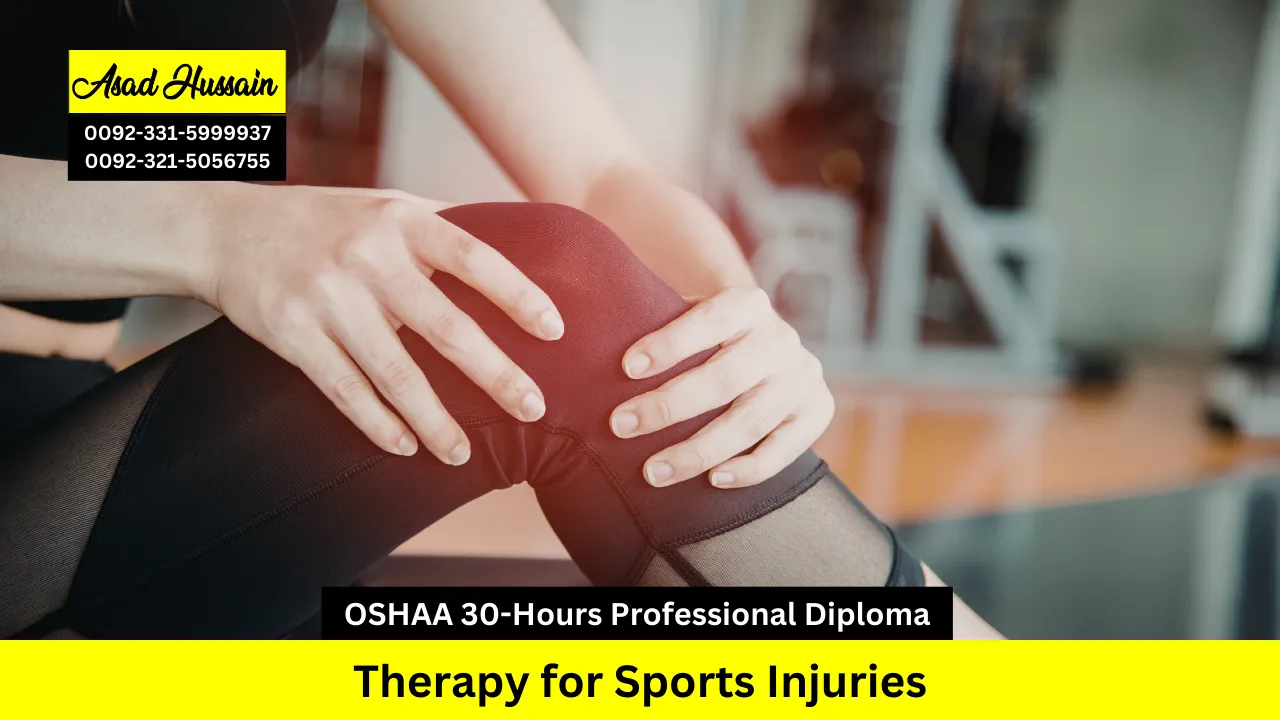
Master the essential techniques of athletic recovery with the OSHAA 30-Hour Professional Diploma in Therapy for Sports Injuries. This comprehensive program is designed to provide healthcare and fitness professionals with a deep understanding of the physiological mechanisms involved in musculoskeletal trauma. Participants will explore critical topics such as acute injury assessment, biomechanical analysis, and evidence-based rehabilitation protocols for common athletic conditions. By focusing on practical manual therapy and injury prevention strategies, the curriculum ensures that every practitioner builds the professional confidence needed to restore peak physical performance and manage long-term athlete health. This training is a vital resource for sharpening clinical expertise.
The curriculum places a heavy emphasis on modern rehabilitation standards and the high-level technical efficiency required in a fast-paced sports medicine environment. Throughout the 30-hour duration, you will examine critical treatment protocols and safety measures that protect both the athlete and the therapy provider. Detailed modules cover soft tissue mobilization, joint stabilization, and the art of professional injury management to enhance the overall recovery experience. By integrating industry-best practices with modern sports science, the program prepares individuals to meet the rigorous demands of the global athletic sector. This training is ideal for those seeking to provide superior care to diverse athletic populations.
OSHAA 30-Hour Professional Diploma in Therapy for Sports Injuries serves as a definitive benchmark for professional excellence and technical mastery in the field of athletic rehabilitation. Completion of this program signifies a dedicated commitment to professional development and high-level competency in injury treatment and recovery program management. While this specific training is not regulated by Ofqual, it provides a specialized alternative for those seeking industry-specific recognition through various other further certifications and diplomas. Professionals will exit the program with a refined skill set, ready to implement advanced therapy strategies immediately. This diploma is an essential asset for building a diverse professional portfolio.
Program Highlights
Study Units
- Introduction to Sports Injuries: Types and Causes (3 hours)
- Anatomy and Physiology of Musculoskeletal System (4 hours)
- Injury Assessment and Diagnosis Techniques (4 hours)
- Rehabilitation and Recovery Techniques for Sports Injuries (4 hours)
- Therapeutic Modalities for Injury Management (4 hours)
- Strengthening and Mobility Exercises for Injury Prevention (4 hours)
- Sports Nutrition and its Role in Injury Recovery (3 hours)
- Psychological Aspects of Injury Recovery (4 hours)
Entry Requirements
To ensure clinical safety and high-level technical engagement, candidates must meet the following baseline criteria:
- Age Requirements: Applicants must be at least 18 years of age to qualify for professional certification and the physical responsibilities of sports therapy.
- Educational Background: A secondary school certificate is required. Preference is given to those holding further certifications and diplomas in Personal Training, Anatomy, or Massage Therapy.
- Language Proficiency: Strong English skills (written and verbal) are essential for documenting clinical findings and understanding complex physiological terminology.
- Work Experience: Prior experience in a gym, sports club, or healthcare setting is highly recommended to provide a practical foundation for assessment modules.
Adhering to these entry standards ensures a professional environment and prepares graduates to safely restore athletic performance.
Learning Outcomes
Introduction to Sports Injuries: Types and Causes (3 Hours)
- Identify the most common types of sports injuries, ranging from acute sprains and strains to complex fractures and dislocations.
- Understand the multifactorial causes of athletic trauma, including overuse syndromes, direct impact, and inadequate training methodologies.
- Learn about the critical role of biomechanics and environmental variables in the development and progression of sports-related injuries.
- Analyze movement patterns to identify high-risk behaviors that lead to chronic musculoskeletal stress.
Anatomy and Physiology of Musculoskeletal System (4 Hours)
- Understand the intricate structure and function of bones, muscles, tendons, ligaments, and joints specifically in relation to high-intensity sports.
- Learn how the musculoskeletal system physiologicaly responds to mechanical stress and strain during peak physical exertion.
- Gain deep insight into common musculoskeletal pathologies and their immediate impact on kinetic movement and athletic performance.
- Examine the tissue healing timeline to better predict recovery phases for various types of connective tissue.
Injury Assessment and Diagnosis Techniques (4 Hours)
- Master the key clinical techniques for assessing sports injuries, including systematic visual examination, palpation, and functional stress testing.
- Learn to differentiate between various injury types based on specific symptoms, patient history, and objective clinical findings.
- Understand the professional process of formulating an accurate diagnosis and determining the clinical severity of a musculoskeletal injury.
- Utilize orthopedic special tests to isolate specific structures and assess the integrity of joint stabilizers.
Rehabilitation and Recovery Techniques (4 Hours)
- Gain knowledge of evidence-based rehabilitation techniques designed to accelerate recovery from both acute and chronic sports injuries.
- Learn about progressive loading exercises, manual therapy applications, and recovery modalities that enhance biological healing.
- Understand the vital importance of a structured, phase-based rehabilitation plan to optimize tissue remodeling and prevent re-injury.
- Develop return-to-play criteria to ensure athletes transition safely from the clinic back to competitive environments.
Therapeutic Modalities for Injury Management (4 Hours)
- Explore various therapeutic modalities used in modern injury management, such as cryotherapy, thermotherapy, ultrasound, and electrical stimulation.
- Learn how to strategically select and apply appropriate modalities based on the specific type and biological stage of the injury.
- Understand the physiological role of each modality in modulating pain, reducing acute inflammation, and promoting cellular tissue repair.
- Master the safety protocols and contraindications for advanced electrotherapy and thermal agents.
Strengthening and Mobility for Injury Prevention (4 Hours)
- Understand the critical importance of targeted strengthening exercises in mitigating injury risk and improving overall musculoskeletal durability.
- Learn specialized mobility exercises that enhance joint flexibility and reduce mechanical friction during explosive physical activity.
- Develop safe and effective corrective exercise routines tailored for athletes to enhance performance while shielding against common injuries.
- Focus on eccentric loading and plyometric progressions to build reactive strength in the lower and upper extremities.
Sports Nutrition and Injury Recovery (3 Hours)
- Learn the specific role of clinical nutrition in supporting the body’s systemic healing process during the post-injury recovery phase.
- Understand the metabolic importance of hydration, macronutrient ratios, and micronutrients in collagen synthesis and tissue repair.
- Gain knowledge of evidence-based dietary strategies and supplements that can safely accelerate recovery and restore physiological performance.
- Analyze the impact of anti-inflammatory diets on reducing recovery timelines for soft tissue trauma.
Psychological Aspects of Injury Recovery (4 Hours)
- Explore the complex psychological challenges athletes face, including the stress, anxiety, and frustration associated with forced inactivity.
- Learn communication strategies to support an athlete’s mental well-being and psychological resilience throughout the long-term recovery process.
- Understand the role of mental conditioning and goal-setting in rehabilitation to help athletes stay motivated and focused on their return.
- Identify signs of “kinesiophobia” (fear of movement) and develop strategies to build an athlete’s confidence in their repaired structures.
Target Audience
This professional training program is designed for a diverse range of healthcare practitioners and fitness specialists who aim to deepen their understanding of athletic rehabilitation. It is particularly suited for those seeking to enhance their technical competencies and align their recovery strategies with modern international standards.
Physiotherapists and Rehabilitation Specialists
- Clinical practitioners looking to build a strong theoretical foundation in acute sports trauma.
- Therapists who have completed further certifications and diplomas in general manual therapy.
- Candidates transitioning into specialized roles within professional athletic departments or clubs.
- Practitioners who require a comprehensive overview of biomechanical analysis and gait assessment.
- Professionals aiming to master advanced joint stabilization and soft tissue mobilization techniques.
Personal Trainers and Fitness Coaches
- Certified trainers seeking to improve their efficiency in identifying potential injury risks in clients.
- Strength coaches who need to design individualized recovery plans based on physiological stressors.
- Team members responsible for maintaining rigorous safety and injury prevention protocols in gyms.
- Professionals focused on enhancing the functional mobility and durability of high-performance athletes.
- Individuals looking to validate their expertise in corrective exercise and movement screening.
Sports Massage and Manual Therapists
- Bodywork specialists wanting to better understand the clinical pathology of musculoskeletal injuries.
- Massage therapists responsible for implementing evidence-based recovery and relaxation protocols.
- Staff members who need to communicate technical injury details to medical or coaching teams.
- Professionals focused on improving lymphatic drainage and reducing post-exercise inflammation.
- Individuals looking to add specialized sports therapy knowledge to their clinical massage portfolio.
Athletic Trainers and Team Medics
- First responders tasked with the immediate assessment and stabilization of on-field injuries.
- Supervisors responsible for overseeing long-term return-to-play criteria and athlete safety.
- Medical staff conducting functional testing to determine the severity of muscle and joint trauma.
- Compliance officers ensuring the sporting facility meets all emergency medical and health guidelines.
- Professionals dedicated to optimizing the biological healing process for competitive populations.
Physical Education Teachers and Coaches
- Educators seeking to align school athletic programs with recognized global safety benchmarks.
- Coaches moving into high-level competitive regions that require specific 30-hour credentials.
- Professionals looking to build a portfolio of specialized further certifications and diplomas.
- Candidates who need to demonstrate proficiency in English-language sports medicine terminology.
- Specialists wanting to stay competitive by mastering injury prevention for youth and student athletes.
Yoga and Pilates Instructors
- Movement specialists looking to transition their skills into clinical or rehabilitative settings.
- Instructors needing to understand the science of connective tissue repair for injured clients.
- Facilitators focused on developing restorative routines for athletes recovering from surgery.
- Individuals seeking to master the principles of joint loading to prevent chronic overuse injuries.
- Creative instructors wanting to learn modern mobility techniques for specialized athletic recovery.
By catering to such a wide array of roles, this course ensures that all participants gain the specialized knowledge necessary to contribute effectively to a modern sports medicine team.