Become a Skilled Health Professional with Diploma in Common Medical Conditions
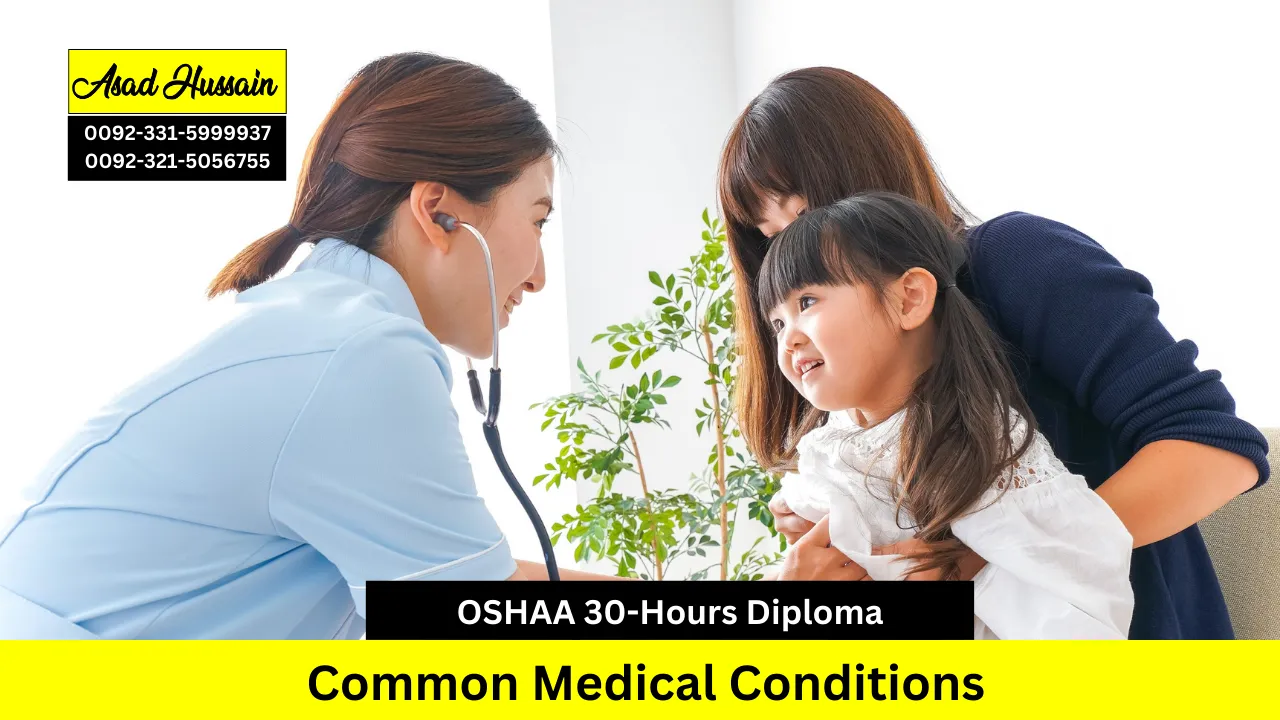
The OSHAA 30-Hours Professional Diploma in Common Medical Conditions is designed to provide learners with a clear, practical understanding of widely encountered medical conditions affecting individuals across different age groups and settings. This course introduces key concepts related to symptoms, causes, basic management principles, and everyday implications of common health conditions. It is ideal for those seeking structured medical awareness without a clinical background, focusing on real-world relevance and practical knowledge. Through carefully developed content, learners gain confidence in recognising health concerns, supporting wellbeing, and understanding medical terminology used in healthcare and workplace environments.
The programme delivers a comprehensive learning experience through well-organised modules that emphasise clarity, accessibility, and applied understanding. Participants explore a broad range of common medical conditions while developing essential skills in health awareness, risk recognition, and informed decision-making. The course supports personal and professional growth by strengthening foundational medical knowledge useful in healthcare support roles, community settings, and safety-focused environments. On completion, learners may choose to enhance their professional profile by progressing toward related certifications and professional diplomas that complement medical awareness and health-focused career pathways.
OSHAA 30-Hours Professional Diploma in Common Medical Conditions equips learners with valuable insight that bridges the gap between basic health knowledge and practical application. The course encourages informed thinking, responsible health practices, and improved communication around medical topics. Designed for flexibility and ease of learning, it supports individuals seeking credible certification to demonstrate medical awareness and competence. This diploma also serves as a strong foundation for pursuing recognised certifications and diplomas aligned with healthcare support, wellbeing management, and safety-related disciplines, helping learners strengthen their credentials and broaden their professional opportunities.
Program Highlights
Study Units
- Introduction to Common Medical Conditions and Clinical Terminology (3 hours)
- Cardiovascular Disorders: Hypertension, Coronary Artery Disease, Heart Failure (4 hours)
- Respiratory Conditions: Asthma, Chronic Obstructive Pulmonary Disease (COPD), Pneumonia (4 hours)
- Endocrine Disorders: Diabetes Mellitus and Thyroid Dysfunction (6 hours)
- Neurological Conditions: Stroke, Epilepsy, Parkinson’s Disease (3 hours)
- Musculoskeletal Disorders: Arthritis, Osteoporosis, Lower Back Pain (3 hours)
- Digestive and Gastrointestinal Conditions: IBS, Ulcers, Hepatic Conditions (4 hours)
- Mental Health Conditions: Depression, Anxiety, Cognitive Impairment (3 hours)
Entry Requirements
The OSHAA 30-Hours Professional Diploma in Common Medical Conditions is designed to be accessible and inclusive, allowing learners from diverse backgrounds to enrol with ease. The entry requirements are outlined below to ensure participants can fully engage with the course content.
- Age Requirement: Learners should be at least 18 years of age at the time of enrolment to ensure maturity and readiness for professional-level learning.
- Educational Background: A basic secondary school education is recommended. Prior learning in health-related subjects or possession of certificates or diplomas such as healthcare support, first aid training, health and safety awareness, wellbeing management, or medical administration will be beneficial, though not mandatory.
- Language Proficiency: Learners should have a good command of the English language, with the ability to read, write, and understand course materials and assessments effectively.
- Work Experience: Previous work experience is not required; however, individuals with exposure to healthcare, caregiving, community support, or safety-related roles may find the course particularly relevant and easier to contextualise.
This course welcomes motivated learners who are eager to develop medical awareness and practical knowledge, regardless of their professional background, and provides a supportive starting point for building credible healthcare-related competencies.
Learning Outcomes
Introduction to Common Medical Conditions and Clinical Terminology (3 Hours)
- Understand the importance of recognising common medical conditions in healthcare and community settings
- Become familiar with basic clinical terminology used to describe symptoms, conditions, and diagnoses
- Identify key human body systems and their associated health issues
- Recognise the role of early detection, observation, and clear communication in effective patient care
Cardiovascular Disorders: Hypertension, Coronary Artery Disease, Heart Failure (4 Hours)
- Identify causes, risk factors, and common symptoms of major cardiovascular conditions
- Understand basic pathophysiology related to blood pressure, heart function, and circulation
- Learn lifestyle-based and clinical approaches used to support cardiovascular health
- Recognise warning signs that may require urgent medical attention or referral
Respiratory Conditions: Asthma, Chronic Obstructive Pulmonary Disease (COPD), Pneumonia (4 Hours)
- Understand mechanisms and symptoms associated with common respiratory conditions
- Identify environmental, occupational, and behavioural triggers affecting respiratory health
- Learn about treatment strategies including medication use and oxygen support
- Develop awareness of respiratory care plans and emergency response measures
Endocrine Disorders: Diabetes Mellitus and Thyroid Dysfunction (6 Hours)
- Gain an understanding of hormonal regulation and endocrine system functions
- Recognise signs, symptoms, and potential complications of diabetes and thyroid disorders
- Understand dietary, lifestyle, and medical interventions used in condition management
- Support effective monitoring, awareness, and communication related to endocrine health
Neurological Conditions: Stroke, Epilepsy, Parkinson’s Disease (3 Hours)
- Identify common neurological disorders and their effects on body systems
- Recognise early signs of stroke, seizure activity, and Parkinson’s-related symptoms
- Understand the impact of neurological conditions on mobility, cognition, and daily living
- Learn supportive approaches for long-term neurological care and wellbeing
Musculoskeletal Disorders: Arthritis, Osteoporosis, Lower Back Pain (3 Hours)
- Understand causes, progression, and impact of common musculoskeletal conditions
- Identify symptoms and risk factors affecting joints, bones, and muscles
- Explore treatment, rehabilitation, and pain management strategies
- Recognise the importance of physical activity, posture, and ergonomic practices
Digestive and Gastrointestinal Conditions: IBS, Ulcers, Hepatic Conditions (4 Hours)
- Learn how common digestive disorders affect the gastrointestinal system
- Identify symptoms related to digestive discomfort, liver dysfunction, and inflammation
- Understand lifestyle and clinical approaches to managing digestive health
- Recognise signs that may indicate more serious gastrointestinal concerns
Mental Health Conditions: Depression, Anxiety, Cognitive Impairment (3 Hours)
- Understand signs and symptoms of common mental health conditions
- Learn about psychological, social, and biological factors influencing mental wellbeing
- Explore supportive strategies for individuals experiencing mental health challenges
- Promote awareness, effective communication, and stigma reduction in mental health care
Target Audience
The OSHAA 30-Hours Professional Diploma in Common Medical Conditions is designed for individuals seeking practical medical awareness and a structured understanding of widely encountered health conditions, making it suitable for a broad range of personal and professional needs.
Aspiring Healthcare Support Professionals
- Individuals interested in building foundational knowledge of common medical conditions
- Those exploring entry-level roles in healthcare support and assistance
- Learners seeking confidence in understanding symptoms and health terminology
- People aiming to improve communication within healthcare-related environments
- Individuals looking to strengthen their professional credibility in health-focused roles
Workplace Safety and Wellbeing Personnel
- Employees responsible for promoting health awareness in workplace settings
- Safety officers and wellbeing coordinators seeking medical condition awareness
- Individuals involved in health monitoring and employee support initiatives
- Professionals aiming to improve early recognition of health concerns
- Those supporting safer, healthier work environments
Caregivers and Community Support Workers
- Family caregivers supporting individuals with common health conditions
- Community support workers involved in daily care and wellbeing assistance
- Individuals seeking practical insight into managing ongoing health needs
- Those aiming to improve observation and reporting of health-related changes
- People committed to providing informed and compassionate support
Individuals in Non-Clinical Health-Related Roles
- Administrative staff working in healthcare or medical environments
- Support staff requiring basic understanding of medical terminology
- Professionals interacting with patients, clients, or service users
- Individuals seeking to enhance health awareness without clinical practice
- Those looking to improve confidence in health-related discussions
Health and Wellness Enthusiasts
- Individuals interested in improving personal health literacy
- Learners seeking structured knowledge of common medical conditions
- People aiming to make informed lifestyle and wellbeing choices
- Those wanting to better understand health information and guidance
- Individuals committed to proactive health awareness and prevention
Career Changers and Lifelong Learners
- Individuals exploring new pathways in health and wellbeing fields
- Learners seeking flexible, accessible professional learning opportunities
- Professionals aiming to broaden their knowledge base and skill set
- Those interested in gaining a recognised professional diploma
- Individuals motivated by continuous personal and professional development
This course welcomes learners from diverse backgrounds and experience levels, offering an accessible and practical pathway to understanding common medical conditions while supporting informed, confident engagement in health-focused environments.