Unlock the Power of Cold Water Professional Diploma in Therapy & Performance
OSHAA 30-Hours Professional Diploma in Cold Water Therapy equips learners with both theoretical knowledge and hands-on skills to confidently implement cold water techniques. Participants will gain practical experience in designing sessions, monitoring physiological responses, and creating safe environments for immersion therapy. The course also explores psychological aspects such as mental resilience, focus, and stress reduction through controlled cold exposure. By the end of the program, learners will understand the scientific, practical, and holistic benefits of cold water therapy and will be prepared to apply this knowledge to support health, recovery, and performance in real-world settings.
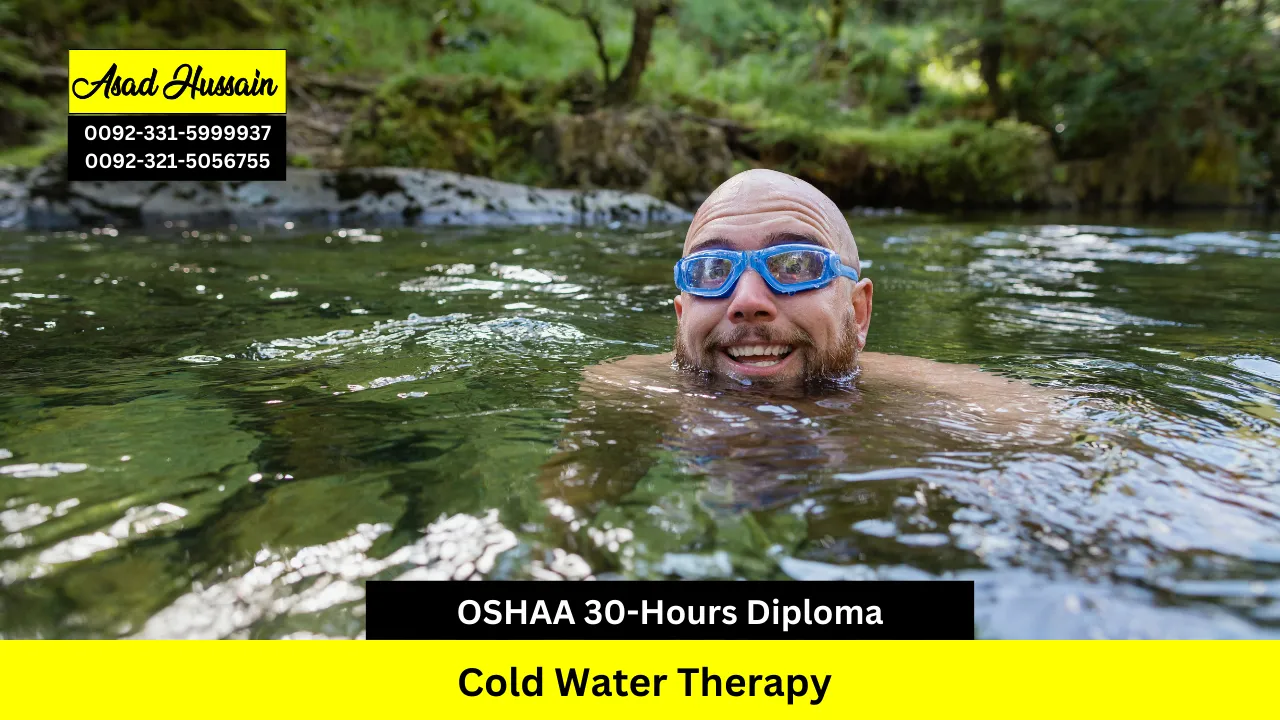
Cold water therapy has gained global recognition for its profound effects on physical recovery, mental clarity, and overall wellness. This course introduces learners to the science and practice of cold water immersion, ice baths, and hydrotherapy techniques. Participants will explore how controlled exposure to cold temperatures can stimulate circulation, reduce inflammation, and enhance the body’s natural healing processes. The course also highlights safety practices, physiological responses, and the mental conditioning required for effective and safe cold water sessions. By understanding the principles behind this therapy, learners can harness its benefits in both personal and professional wellness contexts.
The diploma covers the physiological, psychological, and environmental factors that influence the effectiveness of cold water therapy. Learners will examine how the body reacts to cold exposure, including immune system responses, cardiovascular adaptation, and metabolic stimulation. Practical applications will be emphasised, such as structured immersion protocols, pre- and post-session routines, and risk management strategies. Students will also learn how to adapt techniques for different fitness levels and health conditions, ensuring safe and effective outcomes for themselves or clients. Additionally, the course provides insights into integrating cold water therapy into holistic wellness and recovery programs.
Program Highlights
Study Units
- Introduction to Cold Water Therapy and Occupational Safety Principles (3 Hours)
- Physiological and Psychological Responses to Cold Exposure (4 Hours)
- Risk Assessment and Contraindications in Cold Water Immersion (3 Hours)
- Gradual Adaptation and Cold Acclimatisation Techniques (6 Hours)
- Safe Practice in Natural and Controlled Cold Water Environments (4 Hours)
- Breathwork and Mental Focus Techniques for Cold Therapy (5 Hours)
- Emergency Procedures and Incident Management (3 Hours)
- Ethical and Professional Considerations in Cold Therapy Delivery (2 Hours)
Entry Requirement
To enrol in the OSHAA 30-Hours Professional Diploma in Cold Water Therapy, learners should meet the following basic entry requirements to ensure a safe and effective learning experience.
- Age Requirement: Participants must be at least 18 years old to safely engage in cold water therapy practices and related physical activities.
- Educational Background: A minimum of secondary education or equivalent is recommended. Candidates with prior diplomas or certifications in health, fitness, wellness, or sports therapy will benefit from enhanced understanding. Related qualifications such as personal training certificates, first aid certifications, or wellness diplomas are advantageous.
- Language Proficiency: Learners should have a good command of English to understand course materials, instructions, and practical demonstrations effectively.
- Work Experience: While prior professional experience is not mandatory, individuals working in fitness, physiotherapy, wellness coaching, or health promotion can apply their practical knowledge to enhance learning outcomes.
This diploma is designed to be accessible yet comprehensive, providing all participants—regardless of prior experience—with the knowledge and practical skills required to safely implement cold water therapy techniques in both personal and professional wellness settings.
Learning Outcomes
Introduction to Cold Water Therapy and Occupational Safety Principles (3 Hours)
- Understand the history and evolution of cold water therapy
- Recognise the benefits and current applications in wellness
- Identify legal and professional responsibilities of facilitators
- Apply occupational health and safety practices in sessions
- Minimise risks in individual and group cold therapy settings
- Establish safe protocols for different immersion environments
Physiological and Psychological Responses to Cold Exposure (4 Hours)
- Explain effects on the nervous, circulatory, and respiratory systems
- Identify psychological impacts on mood, stress, and mental focus
- Understand the body’s adaptation to repeated cold exposure
- Recognise short-term and long-term physical benefits
- Explore improvements in resilience and energy regulation
- Assess individual responses to cold immersion safely
Risk Assessment and Contraindications in Cold Water Immersion (3 Hours)
- Conduct pre-session risk assessments for participants
- Identify health conditions limiting participation
- Screen for contraindications such as cardiovascular or respiratory issues
- Adapt protocols based on health status and experience level
- Apply safety checks to ensure participant well-being
- Implement measures to prevent adverse events
Gradual Adaptation and Cold Acclimatisation Techniques (6 Hours)
- Design progressive exposure plans for safe cold adaptation
- Guide participants through step-by-step cold tolerance methods
- Monitor physiological and psychological responses during immersion
- Maintain participant comfort and motivation during progression
- Encourage consistent practice for long-term benefits
- Apply structured programs for endurance and resilience
Safe Practice in Natural and Controlled Cold Water Environments (4 Hours)
- Understand differences between natural and artificial immersion settings
- Implement safety protocols for indoor and outdoor sessions
- Manage environmental risks like currents, temperature shifts, or terrain
- Prepare, maintain, and sanitise equipment for safety
- Ensure controlled conditions for maximum benefit
- Adapt practices for group and individual immersion
Breathwork and Mental Focus Techniques for Cold Therapy (5 Hours)
- Teach foundational breathwork to regulate stress and calm the mind
- Integrate mindfulness to enhance immersion outcomes
- Support mental resilience through controlled breathing and visualisation
- Apply breathwork in preparation, immersion, and recovery phases
- Improve focus, clarity, and emotional regulation
- Help participants maintain composure in cold environments
Emergency Procedures and Incident Management (3 Hours)
- Identify hypothermia, shock, and other cold-related emergencies
- Respond with first aid and emergency protocols
- Develop communication strategies for remote or outdoor incidents
- Prepare emergency response plans tailored to session type
- Ensure readiness for all potential risks
- Evaluate and review incidents to improve safety
Ethical and Professional Considerations in Cold Therapy Delivery (2 Hours)
- Foster trust and professionalism in all therapy delivery
- Understand ethical responsibilities of cold water therapy facilitators
- Maintain professional boundaries and informed consent
- Ensure inclusive and safe programme design
- Promote evidence-based practices in sessions
- Respect participant needs and limitations
Target Audience
This course is designed for individuals passionate about wellness, physical health, and therapeutic practices who want to develop professional expertise in cold water therapy. It equips learners with the knowledge and skills to safely conduct and manage cold water sessions for personal or professional use.
Fitness and Wellness Professionals
- Personal trainers seeking to expand their services with cold water therapy
- Yoga or Pilates instructors interested in complementary recovery techniques
- Wellness coaches aiming to integrate physical and mental resilience strategies
- Sports therapists looking to include cold immersion in recovery plans
- Rehabilitation specialists enhancing therapy offerings with evidence-based methods
Healthcare and Therapy Practitioners
- Physiotherapists interested in cold water therapy applications
- Occupational therapists aiming to support stress reduction and physical health
- Mental health practitioners exploring mindfulness and resilience techniques
- Alternative therapy professionals broadening their modality portfolio
- Nurses or healthcare assistants supporting wellness programs
Outdoor and Adventure Coaches
- Swim coaches and lifeguards exploring safe immersion practices
- Adventure guides including cold water activities in programs
- Outdoor fitness instructors integrating resilience and recovery techniques
- Surf, kayaking, or diving instructors understanding safe exposure protocols
- Team-building facilitators using cold water sessions for focus and stress management
Individuals Seeking Personal Development
- People interested in improving mental focus and stress management
- Those wanting to build physical resilience and adaptability
- Individuals exploring holistic wellness practices at home or in groups
- Enthusiasts aiming to learn safe and effective cold water immersion
- Anyone wanting structured guidance for self-care and mindful exposure
Sports and Recovery Specialists
- Athletic trainers implementing performance recovery techniques
- Coaches designing programs for endurance, stamina, and mental toughness
- Rehabilitation experts integrating cold water for injury prevention
- Fitness consultants creating client-focused recovery strategies
- Physiologists evaluating physiological and psychological effects of cold immersion
This course empowers learners from various backgrounds to confidently and safely apply cold water therapy techniques, enhancing physical wellness, mental resilience, and professional expertise.