Elite Scientific Training: Professional Diploma in Early Childhood Cognition
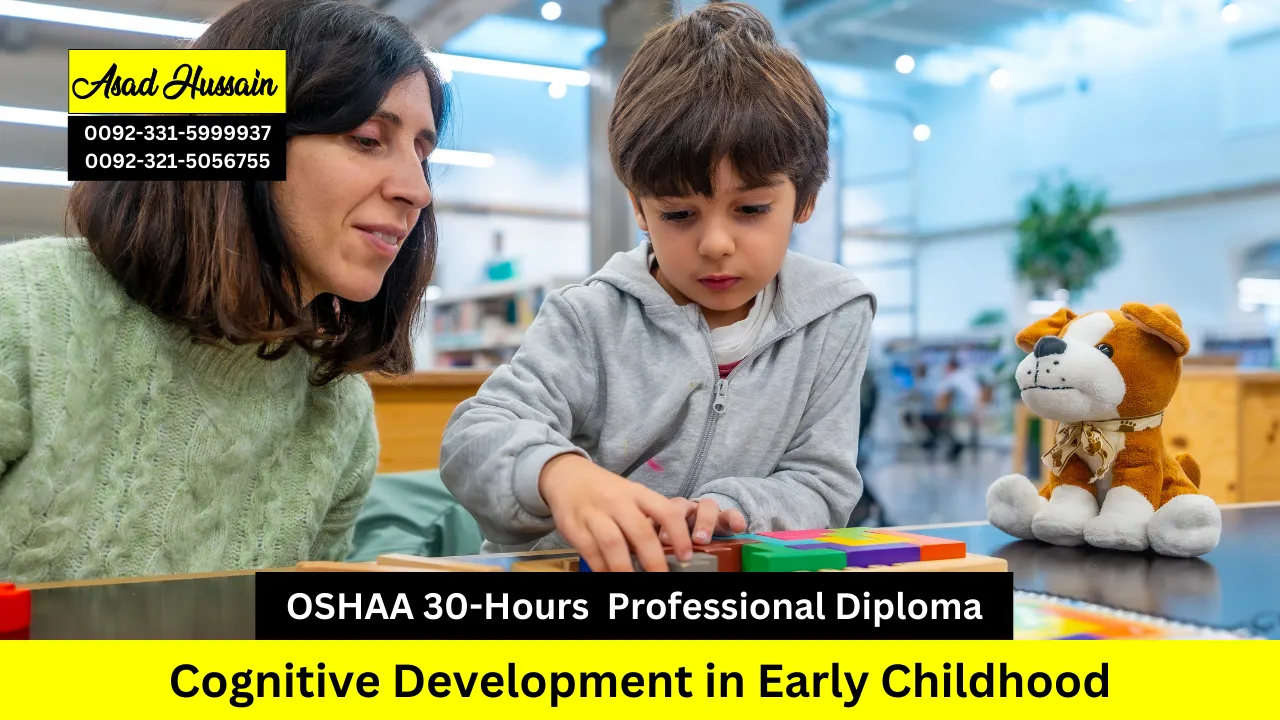
The OSHAA 30-Hour Professional Diploma in Cognitive Development in Early Childhood offers an intensive exploration into the intricate mechanics of the developing young mind. This program is expertly designed for educators and pediatric specialists who seek to master the foundational stages of intellectual growth, from sensory perception to complex problem-solving. By examining the biological and environmental factors that influence neuroplasticity, participants gain the clinical insights necessary to foster optimal learning environments. This training provides the essential tools to identify developmental milestones, ensuring that you can provide evidence-based support that enhances memory, language acquisition, and executive function during a child’s most formative years of life.
While this specialized curriculum is an independent professional offering and is not Ofqual regulated, it adheres to the highest global standards of developmental science and educational psychology. The course focuses heavily on the practical application of cognitive theories, highlighting how play-based learning and social interaction stimulate critical neural pathways. You will examine the role of attention spans, the impact of digital media on cognitive processing, and the strategies required to support neurodivergent learners in various settings. Completing this 30-hour intensive journey ensures you possess the specialized skills to navigate complex learning challenges and implement effective cognitive interventions within any early years classroom, clinical facility, or childcare organization.
OSHAA 30-Hour Professional Diploma in Cognitive Development in Early Childhood serves as a prestigious cornerstone for your professional portfolio, validating your mastery of the psychological processes that drive early intellectual success. Achieving this credential distinguishes you as a dedicated expert capable of interpreting cognitive behaviors and managing developmental trajectories with scientific precision. This professional milestone also paves the way for you to pursue further certifications and diplomas in child psychology, educational leadership, or specialized pediatric neurodevelopmental therapy. By securing this diploma, you are not just gaining theoretical knowledge; you are earning a respected mark of excellence that highlights your readiness to shape the future of early childhood education.
Program Highlights
Study Units
- Introduction to Cognitive Development in Early Childhood (3 hours)
- Stages of Cognitive Development in Young Children (4 hours)
- Factors Influencing Cognitive Development (4 hours)
- The Role of Play in Cognitive Development (4 hours)
- Language Development and Cognitive Skills (4 hours)
- Memory, Attention, and Problem-Solving in Young Children (5 hours)
- Promoting Cognitive Skills Through Classroom Activities (3 hours)
- Supporting Children with Cognitive Delays or Learning Disabilities (3 hours)
Entry Requirements
To ensure professional excellence, the OSHAA 30-Hour Professional Diploma in Cognitive Development in Early Childhood requires the following:
- Age & Education: 18+ years old with a High School Diploma. Preference is given to those holding a Diploma in Early Years Education, a Certificate in Child Psychology, or a Level 3 Award in Childcare.
- Language: B2-level English proficiency to accurately engage with neurodevelopmental terminology, cognitive assessments, and academic research papers.
- Experience: 1 year in a teaching, pediatric, or childcare environment is recommended to effectively apply cognitive theories to real-world developmental observations.
Meeting these benchmarks ensures you are prepared for the 30-hour curriculum and professional assessment focused on brain plasticity and intellectual milestone mastery.
Learning Outcomes
Introduction to Cognitive Development in Early Childhood
- Understand the basic concepts of cognitive development in early childhood.
- Recognise the importance of cognitive growth during the early years.
- Identify the stages of cognitive development and their impact on learning and behaviour.
- Appreciate the role of early childhood education in promoting intellectual growth.
Stages of Cognitive Development in Young Children
- Learn the key stages of cognitive development from birth to school age.
- Identify developmental milestones and typical cognitive abilities at each stage.
- Understand Piaget’s stages of cognitive development and their relevance in education.
- Analyse how problem-solving, reasoning, and other cognitive skills progress across stages.
Factors Influencing Cognitive Development
- Recognise internal and external factors that shape cognitive growth.
- Understand the role of genetics, environment, and experiences in development.
- Explore how family dynamics, socioeconomic status, and culture impact cognitive abilities.
- Analyse how early childhood environments can enhance or hinder learning potential.
The Role of Play in Cognitive Development
- Understand the connection between play and cognitive growth in young children.
- Explore different types of play and their impact on creativity and problem-solving.
- Learn to facilitate play-based learning to strengthen intellectual skills.
- Understand the significance of pretend play in cognitive development.
Language Development and Cognitive Skills
- Understand the relationship between language acquisition and cognitive growth.
- Learn how language skills support memory, reasoning, and problem-solving.
- Explore strategies to promote language development through daily interactions.
- Examine the impact of bilingualism and multilingualism on cognitive abilities.
Memory, Attention, and Problem-Solving in Young Children
- Explore the development of memory and attention spans in children.
- Understand how attention affects learning and information retention.
- Learn the roles of working memory and long-term memory in cognitive development.
- Develop strategies to enhance problem-solving skills in young children.
Promoting Cognitive Skills Through Classroom Activities
- Learn to design activities that foster cognitive development in classrooms.
- Understand the benefits of hands-on and interactive learning experiences.
- Identify exercises that strengthen memory, attention, and problem-solving.
- Explore methods to integrate cognitive skill-building into daily routines.
Supporting Children with Cognitive Delays or Learning Disabilities
- Recognise signs of cognitive delays and learning difficulties in children.
- Learn strategies to provide personalised support for children with special needs.
- Understand how to create inclusive and supportive learning environments.
- Explore the importance of early intervention in promoting cognitive growth.
Target Audience
The OSHAA 30-Hour Professional Diploma in Cognitive Development in Early Childhood is a comprehensive program tailored for those who seek to master the scientific principles of how young children think, learn, and process the world around them.
Early Childhood Educators and Preschool Teachers
- Educators wanting to align their teaching strategies with the latest neurodevelopmental research.
- Preschool teachers looking to optimize classroom environments for maximum cognitive engagement.
- Curriculum designers aiming to create age-appropriate learning paths for intellectual growth.
- Nursery practitioners focused on stimulating sensory and motor development in infants.
- Kindergarten staff seeking to bridge the gap between play-based learning and cognitive milestones.
- Academic coordinators responsible for monitoring educational standards in early years settings.
Child Psychologists and Developmental Specialists
- Psychologists specialized in assessing cognitive delays and intellectual giftedness.
- Behavioral therapists using cognitive frameworks to address learning challenges.
- Developmental researchers tracking the impact of environment on brain plasticity.
- Clinical staff focused on early intervention strategies for neurodivergent children.
- Mental health consultants advising schools on cognitive health and emotional stability.
- Counseling professionals helping parents understand the stages of their child’s mental growth.
Pediatric Healthcare Professionals
- Pediatricians interested in the intersection of physical health and cognitive milestones.
- Occupational therapists working on the cognitive aspects of fine motor skill development.
- Speech and language therapists addressing the cognitive foundations of communication.
- Pediatric nurses providing guidance to parents on healthy brain stimulation.
- Health visitors monitoring the mental development of toddlers during routine check-ups.
- Rehabilitation specialists supporting children recovering from neurological injuries.
Special Educational Needs (SEN) Specialists
- SENCOs designing individualized education plans for children with cognitive impairments.
- Learning support assistants implementing strategies to improve memory and focus.
- Specialized tutors working one-on-one to close cognitive gaps in literacy and numeracy.
- Inclusion officers ensuring that cognitive diversity is respected within the school system.
- Educational psychologists diagnosing cognitive disorders and recommending support tools.
- Adaptive technology consultants providing digital aids for cognitive learning assistance.
Childcare Administrators and Policy Makers
- Daycare owners aiming to implement science-backed cognitive development programs.
- Government policy advisors drafting standards for early childhood education and care.
- Social workers assessing the cognitive impact of environmental neglect or trauma.
- Non-profit coordinators managing early learning initiatives in underserved communities.
- Educational auditors evaluating the cognitive efficacy of preschool institutions.
- Community leaders advocating for increased access to cognitive development resources.
Parents and Home-Based Caregivers
- Dedicated parents wanting to scientifically support their child’s intellectual journey at home.
- Professional nannies seeking a high-level credential to enhance their childcare expertise.
- Homeschooling parents designing a rigorous cognitive curriculum for early learners.
- Foster parents looking to provide specialized cognitive support to children in their care.
- Grandparents or guardians interested in modern techniques for mental stimulation.
- Au pairs wanting to offer more than just basic supervision through cognitive play.