Gain Expertise in Stress Management for Caregivers with Diploma
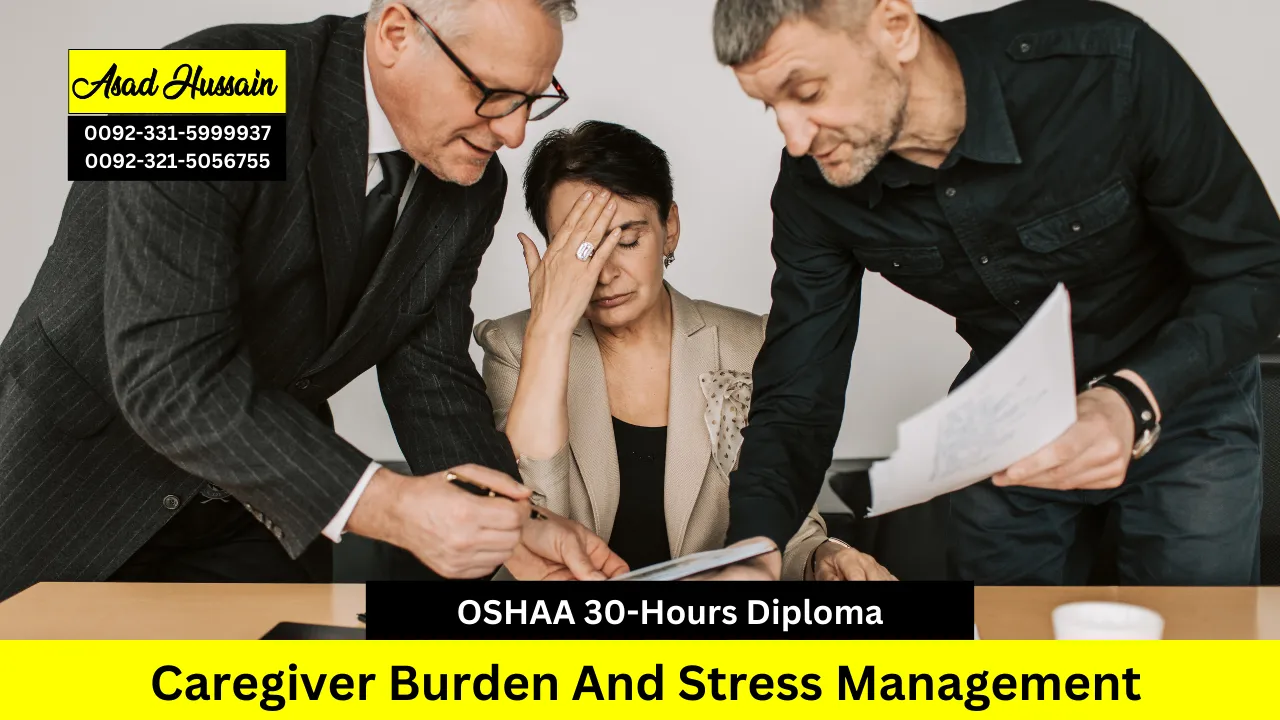
Caring for others can be both rewarding and challenging, often leading to physical, emotional, and psychological strain. The OSHAA 30-Hours Professional Diploma in Caregiver Burden and Stress Management provides learners with a deep understanding of the factors contributing to caregiver stress, its impact on wellbeing, and strategies to manage it effectively. The course covers core concepts of stress, burnout, and emotional resilience, equipping participants with practical tools to support themselves and others in caregiving roles.
Participants will explore the dynamics of caregiver burden, including the challenges of long-term care, balancing personal and professional responsibilities, and recognising early signs of emotional fatigue. The program also examines coping mechanisms, stress reduction techniques, and mindfulness practices that enhance mental health and prevent burnout. Learners will develop the ability to create structured self-care plans, apply resilience-building strategies, and support caregivers in diverse environments, including healthcare, home care, and community settings.
OSHAA 30-Hours Professional Diploma in Caregiver Burden and Stress Management is designed for healthcare professionals, social workers, wellness practitioners, and individuals involved in caregiving roles. The course complements further certifications and diplomas in mental health, counselling, wellbeing, and caregiving. By completing this program, learners will gain practical knowledge and evidence-based strategies to reduce stress, improve emotional resilience, and enhance the quality of care for themselves and those they support.
Program Highlights
Study Units
- Understanding Caregiver Burden: Scope, Causes, and Impact (3 hours)
- Psychological and Emotional Effects of Chronic Stress (4 hours)
- Emotional Regulation and Resilience Building Techniques (4 hours)
- Time Management, Prioritisation, and Boundary Setting (5 hours)
- Mindfulness Practices and Relaxation Strategies (5 hours)
- Identifying and Addressing Burnout and Compassion Fatigue (3 hours)
- Communication Skills for Emotionally Demanding Situations (4 hours)
- Accessing Community Support and Professional Resources (2 hours)
The OSHAA 30-Hours Professional Diploma in Caregiver Burden and Stress Management is suitable for individuals who want to develop practical skills in managing stress and improving caregiver wellbeing. The entry requirements ensure that learners are prepared to engage fully with the course content and apply it effectively in professional or personal caregiving roles.
- Age Requirement: Participants should be at least 18 years old to ensure maturity and readiness for independent learning.
- Educational Background: A minimum of secondary education is recommended. Learners with related diplomas or certificates in healthcare, social work, counselling, mental health, or wellness will benefit from prior exposure.
- Language Proficiency: Participants should have good English language skills, as all course materials, instructions, and assessments are delivered in English.
- Work Experience: No prior professional experience is mandatory, but experience in caregiving, healthcare, or support roles may enhance understanding and practical application.
This course is ideal for caregivers, healthcare practitioners, social workers, wellness professionals, and anyone seeking to strengthen their ability to manage stress and improve wellbeing. It also complements further certifications and diplomas in mental health, counselling, wellbeing, and caregiving practices.
Learning Outcomes
Understanding Caregiver Burden: Scope, Causes, and Impact (3 Hours)
- Define caregiver burden and recognise its emotional, physical, and social dimensions
- Identify common stressors and triggers in various caregiving environments
- Understand the short-term and long-term effects of caregiver strain on wellbeing
- Explore the societal and personal consequences of unaddressed caregiver burden
Psychological and Emotional Effects of Chronic Stress (4 Hours)
- Explain the physiological and psychological mechanisms of chronic stress
- Recognise signs and symptoms of emotional overload and prolonged distress
- Understand how stress affects decision-making, relationships, and health
- Explore coping behaviours and their impact on mental health outcomes
Emotional Regulation and Resilience Building Techniques (4 Hours)
- Apply emotional regulation strategies to maintain balance during stressful situations
- Understand the role of resilience in sustaining caregiving roles
- Practise tools for reframing negative thoughts and enhancing emotional flexibility
- Develop personal approaches for building emotional strength over time
Time Management, Prioritisation, and Boundary Setting (5 Hours)
- Learn time-management frameworks suitable for caregiving schedules
- Identify strategies to balance caregiving with other life responsibilities
- Understand how to set and communicate healthy boundaries without guilt
- Apply prioritisation techniques to reduce overwhelm and increase productivity
Mindfulness Practices and Relaxation Strategies (5 Hours)
- Practise evidence-based mindfulness techniques for managing daily stress
- Explore breathing, meditation, and progressive muscle relaxation exercises
- Understand how present-moment awareness supports emotional clarity
- Integrate mindfulness into daily caregiving routines for long-term benefits
Identifying and Addressing Burnout and Compassion Fatigue (3 Hours)
- Distinguish between caregiver burnout, compassion fatigue, and general stress
- Recognise early warning signs and high-risk indicators
- Learn recovery strategies and when to seek professional help
- Understand the emotional toll of long-term caregiving without support
Communication Skills for Emotionally Demanding Situations (4 Hours)
- Practise clear and compassionate communication techniques
- Manage emotionally charged conversations with empathy and calm
- Understand the importance of active listening in caregiving relationships
- Learn how to express needs, limits, and concerns effectively
Accessing Community Support and Professional Resources (2 Hours)
- Identify available community resources and networks for caregivers
- Understand how to navigate support systems and referral processes
- Explore professional services that can supplement caregiving roles
- Learn how to advocate for one’s own needs and those of the person receiving care
Target Audience
The OSHAA 30-Hours Professional Diploma in Caregiver Burden and Stress Management is designed for individuals who want to understand, manage, and reduce the emotional and physical challenges associated with caregiving. This course equips learners with practical strategies to improve resilience, wellbeing, and caregiving effectiveness, making it ideal for professionals and family caregivers alike.
Healthcare Professionals
- Nurses, healthcare assistants, and allied health staff seeking to manage caregiver stress
- Hospital and clinic staff involved in patient care
- Professionals supporting long-term care patients and families
- Practitioners aiming to improve patient outcomes through better caregiver support
- Social care workers looking to strengthen emotional support skills
Family and Informal Caregivers
- Individuals providing care to elderly family members or relatives
- People managing chronic illness or disability care at home
- Caregivers balancing work, family, and caregiving responsibilities
- Those seeking practical stress reduction and coping strategies
- Individuals wanting to enhance resilience and emotional wellbeing
Mental Health and Wellness Practitioners
- Counsellors and therapists supporting caregivers or families
- Life coaches focusing on wellbeing and stress management
- Psychologists looking to integrate caregiver stress strategies into practice
- Wellness coordinators aiming to provide holistic support programs
- Practitioners delivering workshops on stress reduction and resilience
Community and Social Care Workers
- Professionals working in NGOs, community centres, or caregiving organisations
- Volunteers supporting vulnerable populations
- Staff involved in respite care programs
- People coordinating support networks for caregivers
- Those responsible for caregiver education and training initiatives
Individuals Seeking Personal Development
- People wanting to understand the emotional dynamics of caregiving
- Those aiming to build resilience and prevent burnout
- Individuals looking to improve work-life-caregiving balance
- Anyone interested in practical techniques for stress management
- Learners seeking structured guidance for emotional regulation
This course provides valuable knowledge and practical skills for anyone involved in caregiving, enabling participants to manage stress, prevent burnout, and deliver compassionate, effective care while maintaining their own wellbeing.