Diploma in Computer Workstation Safety – Enhance Employee Health & Productivity
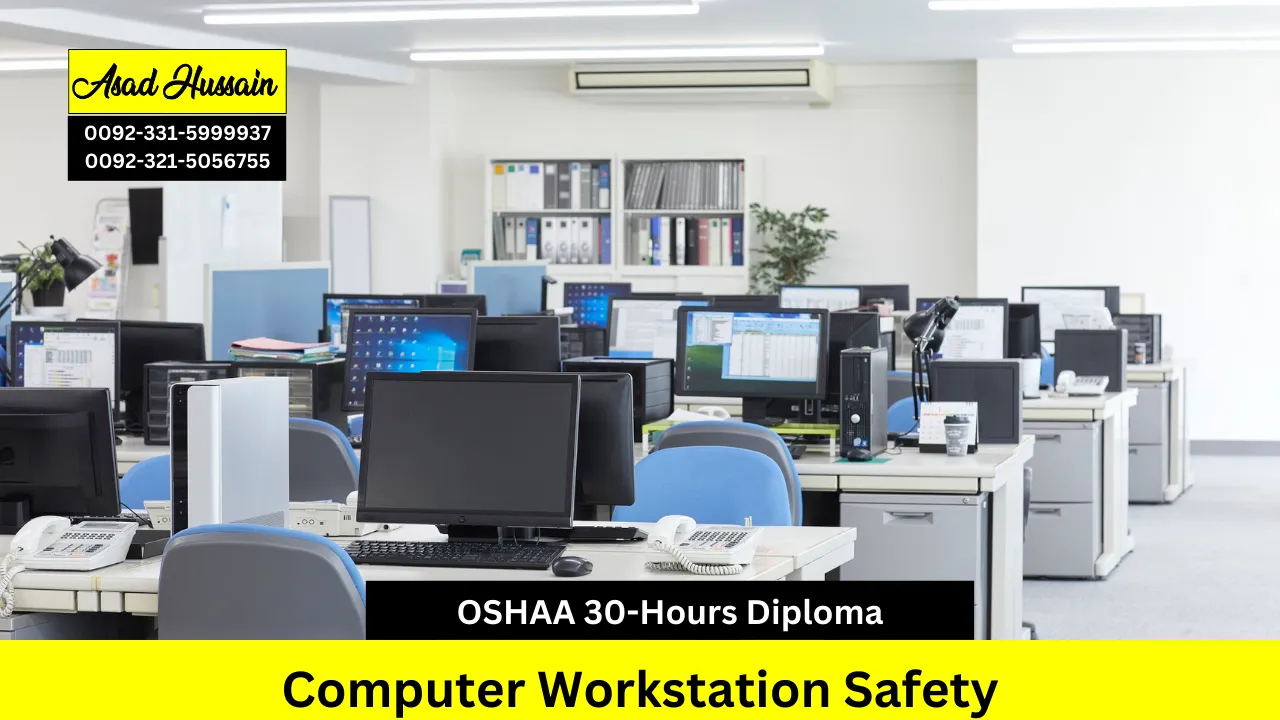
The OSHAA 30-Hours Professional Diploma in Computer Workstation Safety is designed to equip participants with essential knowledge and practical skills to create safe and ergonomic computer workstations. With prolonged computer use becoming standard in modern workplaces, this course helps prevent musculoskeletal injuries, eye strain, and related health issues. Participants will gain a comprehensive understanding of workstation ergonomics, posture management, equipment placement, and environmental adjustments to optimise comfort, efficiency, and employee wellbeing.
The programme covers key areas such as workstation assessment, ergonomic principles, preventive strategies for repetitive strain injuries, and safe computing practices. It also explores practical techniques for adjusting chairs, desks, monitors, keyboards, and lighting to suit individual user needs. Participants will learn to identify risk factors in office environments and implement proactive measures to reduce injury risks while enhancing productivity.
The OSHAA 30-Hours Professional Diploma in Computer Workstation Safety combines theory with practical application, enabling participants to assess and improve workstations effectively. It provides skills relevant to office managers, safety officers, HR personnel, and employees seeking to implement ergonomic solutions in their workplaces. Completing this diploma enhances professional credibility, supports health-conscious workplace practices, and positions participants as proactive contributors to organisational safety and wellbeing.
Program Highlights
Study Units
- Introduction to Computer Workstation Safety and Ergonomics (3 Hours)
- Anatomy of Musculoskeletal Disorders and Repetitive Strain Injuries (3 Hours)
- Workstation Design: Furniture, Equipment, and Layout (4 Hours)
- Posture and Movement: Best Practices for Computer Users (3 Hours)
- Visual Ergonomics and Lighting Considerations (3 Hours)
- Risk Assessment Techniques for Workstation Safety (3 Hours)
- Health and Safety Regulations and Compliance Standards (3 Hours)
- Implementing Ergonomic Interventions in the Workplace (3 Hours)
- Workplace Wellness Strategies and Break Management (2 Hours)
- Developing and Promoting a Computer Workstation Safety Policy (3 Hours)
To enrol in the OSHAA 30-Hours Professional Diploma in Computer Workstation Safety, participants should meet the following entry requirements:
- Age Requirement: Participants must be at least 18 years old to ensure maturity and readiness for professional learning.
- Educational Background: A minimum of high school or equivalent qualification is recommended. Candidates with diplomas or certificates in occupational health and safety, IT fundamentals, or workplace safety will find this course particularly suitable.
- Language Proficiency: Participants should have a good command of English, both written and spoken, to effectively understand course materials and engage in assessments.
- Work Experience: While no specific prior work experience is mandatory, familiarity with office or computer-based work environments is advantageous. Individuals with experience in IT support, administrative roles, or occupational safety will be able to relate theory to practical application more effectively.
This course is ideal for anyone seeking to enhance their workplace safety skills, improve ergonomic practices, and ensure compliance with occupational safety standards in computer-based work environments.
Learning Outcomes
Introduction to Computer Workstation Safety and Ergonomics (3 Hours)
- Understand the fundamentals of computer workstation safety and its importance
- Define ergonomics and its role in preventing workplace injuries
- Identify key components of an ergonomically sound workstation
- Recognize the impact of poor workstation design on productivity and health
Anatomy of Musculoskeletal Disorders and Repetitive Strain Injuries (3 Hours)
- Identify common musculoskeletal disorders linked to computer use
- Understand the causes and symptoms of repetitive strain injuries
- Explain the physiological effects of prolonged static postures
- Apply basic knowledge of anatomy to assess ergonomic risks
Workstation Design: Furniture, Equipment, and Layout (4 Hours)
- Evaluate workstation components such as desks, chairs, monitors, and peripherals
- Understand design features that contribute to ergonomic safety
- Apply ergonomic principles to set up and adjust workstation equipment
- Identify potential design flaws that contribute to discomfort or injury
Posture and Movement: Best Practices for Computer Users (3 Hours)
- Recognize the importance of proper posture during computer work
- Demonstrate correct body alignment for seated and standing workstations
- Identify signs of poor posture and associated health risks
- Apply strategies to encourage healthy movement and reduce fatigue
Visual Ergonomics and Lighting Considerations (3 Hours)
- Understand visual ergonomics and its relevance in screen-based work
- Identify the causes and symptoms of digital eye strain
- Assess lighting conditions that affect visibility and comfort
- Recommend improvements for screen positioning and lighting setups
Risk Assessment Techniques for Workstation Safety (3 Hours)
- Learn methods for identifying ergonomic hazards in computer work environments
- Conduct basic workstation assessments using established tools
- Prioritize risks and suggest appropriate control measures
- Document findings and prepare actionable assessment reports
Health and Safety Regulations and Compliance Standards (3 Hours)
- Understand national and international health and safety standards
- Identify key legal obligations for workstation safety in the workplace
- Recognize employer and participant responsibilities in maintaining safety
- Apply compliance strategies aligned with occupational health regulations
Implementing Ergonomic Interventions in the Workplace (3 Hours)
- Design practical ergonomic solutions for common workstation issues
- Understand the process of introducing and evaluating interventions
- Promote user-centered approaches to ergonomic improvements
- Collaborate with stakeholders to support a safer workplace culture
Workplace Wellness Strategies and Break Management (2 Hours)
- Recognize the role of breaks and movement in injury prevention
- Identify effective micro-break and stretch routines for computer users
- Promote mental and physical wellness in digital workspaces
- Integrate wellness strategies into daily work practices
Developing and Promoting a Computer Workstation Safety Policy (3 Hours)
- Understand the components of a comprehensive workstation safety policy
- Learn how to draft, implement, and review safety policies
- Promote awareness and training to support policy compliance
- Evaluate the effectiveness of policies through feedback and monitoring
Target Audience
The OSHAA 30-Hours Professional Diploma in Pool Extraction Board (PXB) Trainer is designed for individuals who are involved in aquatic safety, rescue operations, and training delivery, and who wish to develop the skills required to train others in safe and effective pool extraction techniques.
Lifeguards and Aquatic Rescue Professionals
- Qualified lifeguards working in swimming pools and aquatic facilities
- Rescue personnel responsible for casualty extraction and pool safety
- Professionals involved in emergency response within leisure environments
- Poolside safety staff supporting rescue operations
- Individuals aiming to progress into specialist rescue training roles
Pool Supervisors and Aquatic Facility Staff
- Pool supervisors overseeing daily pool operations and safety procedures
- Aquatic facility managers responsible for emergency preparedness
- Senior pool staff coordinating rescue and response activities
- Duty managers involved in staff training and supervision
- Personnel responsible for implementing pool safety protocols
Swimming Teachers and Coaches
- Swimming instructors teaching in controlled pool environments
- Coaches responsible for swimmer safety during training sessions
- Instructors involved in teaching water confidence and safety skills
- Professionals supporting structured aquatic learning programmes
- Coaches seeking to enhance rescue knowledge and instructional capability
First Aid and Emergency Response Trainers
- First aid trainers delivering emergency response education
- Safety instructors involved in casualty care and rescue training
- Emergency response team trainers in leisure or community settings
- Professionals combining first aid instruction with aquatic rescue skills
- Trainers aiming to expand into pool-based rescue education
Health and Safety Professionals
- Health and safety officers working in leisure and aquatic environments
- Safety advisors responsible for risk management and compliance
- Professionals conducting safety training and drills
- Individuals supporting injury prevention and safe working practices
- Staff involved in developing emergency procedures for pools
Professionals Transitioning into Aquatic Training Roles
- Experienced aquatic staff moving into training and assessment roles
- Practitioners seeking to share practical rescue expertise with others
- Individuals responsible for mentoring junior lifeguards
- Professionals aiming to improve training delivery and communication skills
- Staff involved in developing internal rescue training programmes