Develop Practical Veterinary Support Skills Through Professional Diploma
The OSHAA 30-Hours Professional Diploma in Veterinary Support Assistant is a structured and practice-oriented programme designed to provide essential knowledge and skills for supporting veterinary care environments. This course introduces learners to the fundamentals of animal care, clinical assistance, hygiene practices, and professional conduct within veterinary settings. It focuses on developing practical awareness of animal handling, welfare standards, and support procedures that contribute to safe and effective veterinary services. The programme is knowledge-based and not Ofqual regulated, making it accessible to individuals seeking professional skill development without regulatory limitations.
This diploma is ideal for learners who wish to build confidence in supporting veterinarians and animal care professionals across clinics, shelters, and animal facilities. The course content emphasises animal wellbeing, workplace safety, infection control, and ethical responsibilities. Learners gain an understanding of routine veterinary support tasks, communication within care teams, and maintaining professional standards. The skills gained through this programme can complement existing certifications and diplomas related to animal care, healthcare support, or workplace safety, enhancing overall professional capability.
OSHAA 30-Hours Professional Diploma in Veterinary Support Assistant offers a focused learning experience that supports continuous professional development within animal care roles. The course equips learners with practical knowledge that can be applied across a range of veterinary support environments, helping to improve efficiency, safety, and animal welfare outcomes. By strengthening foundational skills and professional awareness, this diploma supports individuals seeking to broaden their professional profile through recognised certifications and diplomas while contributing positively to animal care services and support teams.
Program Highlights
Study Units
- Introduction to the Veterinary Support Assistant Role (3 hours)
- Animal Anatomy, Physiology, and Health Indicators (4 hours)
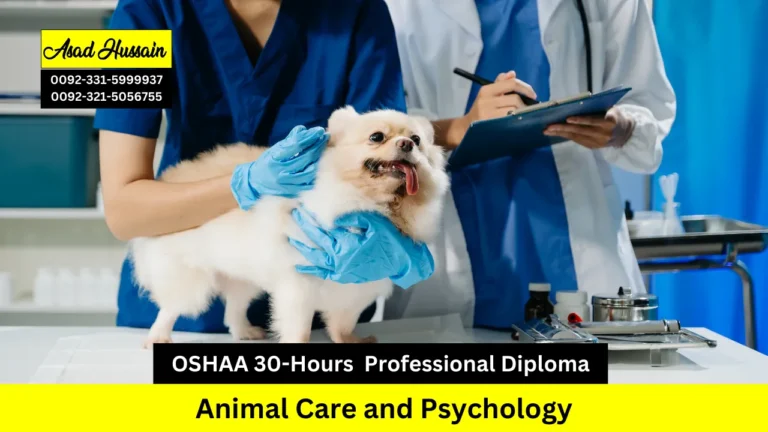
- Safe Animal Handling and Restraint Methods (4 hours)
- Hygiene, Infection Control, and Clinical Cleanliness (3 hours)
- Veterinary Terminology and Common Procedures (6 hours)
- Assisting in Consultations and Clinical Tasks (4 hours)
- Animal Nutrition, Feeding Practices, and Welfare (3 hours)
- Record Keeping, Stock Control, and Administrative Duties (3 hours)
The entry requirements for this course are designed to ensure learners can effectively engage with the material while keeping it accessible to a wide range of individuals interested in veterinary support.
- Age Requirement: Applicants should generally be at least 18 years old to enrol, ensuring readiness for professional-level learning and workplace responsibilities.
- Educational Background: A basic secondary education is recommended. Learners with prior exposure to related diplomas or certificates—such as animal care, veterinary assistance, pet grooming, healthcare support, or workplace safety certifications—may find the course particularly beneficial, though it is not mandatory.
- Language Proficiency: Participants should have a functional level of English, as all course materials, assessments, and instructions are delivered in English.
- Work Experience: No formal work experience is required. However, those with prior experience in animal care, veterinary clinics, shelters, pet services, or healthcare support roles may gain additional practical insight from the programme.
Overall, these entry requirements ensure the course remains open to motivated learners seeking to develop professional skills in veterinary support, while providing a strong foundation for practical and career-focused learning.
Learning Outcomes
Introduction to the Veterinary Support Assistant Role (3 hours)
- Understand the responsibilities and boundaries of the veterinary support assistant role
- Recognise the importance of professionalism, teamwork, and compassion in animal care
- Identify the types of veterinary settings and the role’s contribution to daily operations
- Understand the expectations for confidentiality, safety, and duty of care
Animal Anatomy, Physiology, and Health Indicators (4 hours)
- Identify basic anatomical structures and physiological systems in common companion animals
- Recognise normal health indicators such as temperature, heart rate, and behaviour
- Understand the signs of illness, injury, or distress in animals
- Develop observational skills to support accurate reporting to veterinary professionals
Safe Animal Handling and Restraint Methods (4 hours)
- Demonstrate safe and humane techniques for handling dogs, cats, and small mammals
- Understand species-specific behaviour and how to minimise animal stress
- Apply appropriate restraint methods during examinations and procedures
- Recognise warning signs of aggression or fear and respond accordingly
Hygiene, Infection Control, and Clinical Cleanliness (3 hours)
- Understand the importance of hygiene and infection control in veterinary environments
- Learn cleaning protocols for equipment, kennels, and clinical areas
- Identify zoonotic diseases and how to prevent cross-contamination
- Follow appropriate procedures for waste disposal and personal protective equipment use
Veterinary Terminology and Common Procedures (6 hours)
- Interpret commonly used veterinary terms and abbreviations
- Understand basic clinical procedures such as vaccinations, wound care, and temperature checks
- Identify instruments and equipment used during veterinary tasks
- Communicate clearly using appropriate terminology in written and spoken formats
Assisting in Consultations and Clinical Tasks (4 hours)
- Prepare animals and equipment for clinical procedures under supervision
- Support veterinary staff during consultations, treatments, and examinations
- Monitor animal responses and report observations accurately
- Maintain calm and safe environments during stressful or emergency situations
Animal Nutrition, Feeding Practices, and Welfare (3 hours)
- Understand dietary needs for different species and life stages
- Recognise signs of poor nutrition and dehydration
- Prepare and deliver feed in accordance with veterinary guidance
- Promote animal welfare through appropriate housing, enrichment, and routine care
Record Keeping, Stock Control, and Administrative Duties (3 hours)
- Accurately complete basic medical records, appointment logs, and treatment charts
- Support the ordering and monitoring of clinical supplies and stock levels
- Maintain cleanliness and organisation in administrative areas
- Handle sensitive information in line with data protection and confidentiality standards
Target Audience
This course is designed for individuals who are passionate about animal care and want to develop practical skills and knowledge to support veterinary professionals effectively.
Aspiring Veterinary Support Assistants
- Gain foundational knowledge of animal care and handling
- Learn clinical support procedures and hygiene practices
- Develop skills to assist in routine veterinary tasks
- Understand professional conduct and workplace safety
- Build confidence in supporting veterinarians and animal care teams
Animal Care and Welfare Enthusiasts
- Understand the physical and behavioural needs of different species
- Recognise signs of illness, stress, or injury in animals
- Apply nutrition, feeding, and enrichment best practices
- Promote ethical treatment and animal welfare standards
- Learn safe handling and restraint techniques
Professionals in Animal Clinics and Shelters
- Support veterinary staff during consultations and treatments
- Monitor animal health and report observations accurately
- Prepare equipment and maintain clinical cleanliness
- Assist in routine care, vaccinations, and minor procedures
- Improve efficiency and workflow in veterinary settings
Educators and Trainers in Animal Care
- Gain insights into teaching proper handling and welfare practices
- Understand cognitive aspects of learning in animal care contexts
- Apply structured methods for training support staff
- Communicate procedures and guidelines effectively
- Promote safety and compassion in learning environments
Personal Development and Career Advancement
- Enhance professional skills in observation, reporting, and communication
- Strengthen problem-solving and decision-making in animal care scenarios
- Build practical experience for career opportunities in veterinary support
- Complement existing certificates or diplomas in animal care or healthcare
- Gain confidence in performing administrative and clinical support tasks
Workplace Safety and Support Roles
- Learn hygiene, infection control, and zoonotic disease prevention
- Follow safety protocols for handling animals and equipment
- Maintain clean, organised, and secure environments
- Support team-based care with professionalism and accountability
- Contribute to overall health and safety standards in veterinary facilities
Overall, this course is ideal for anyone seeking to gain practical knowledge and skills to work effectively in veterinary support roles while enhancing their professional competence in animal care.