Elevate Your Skills with Professional Sleep Therapy Training
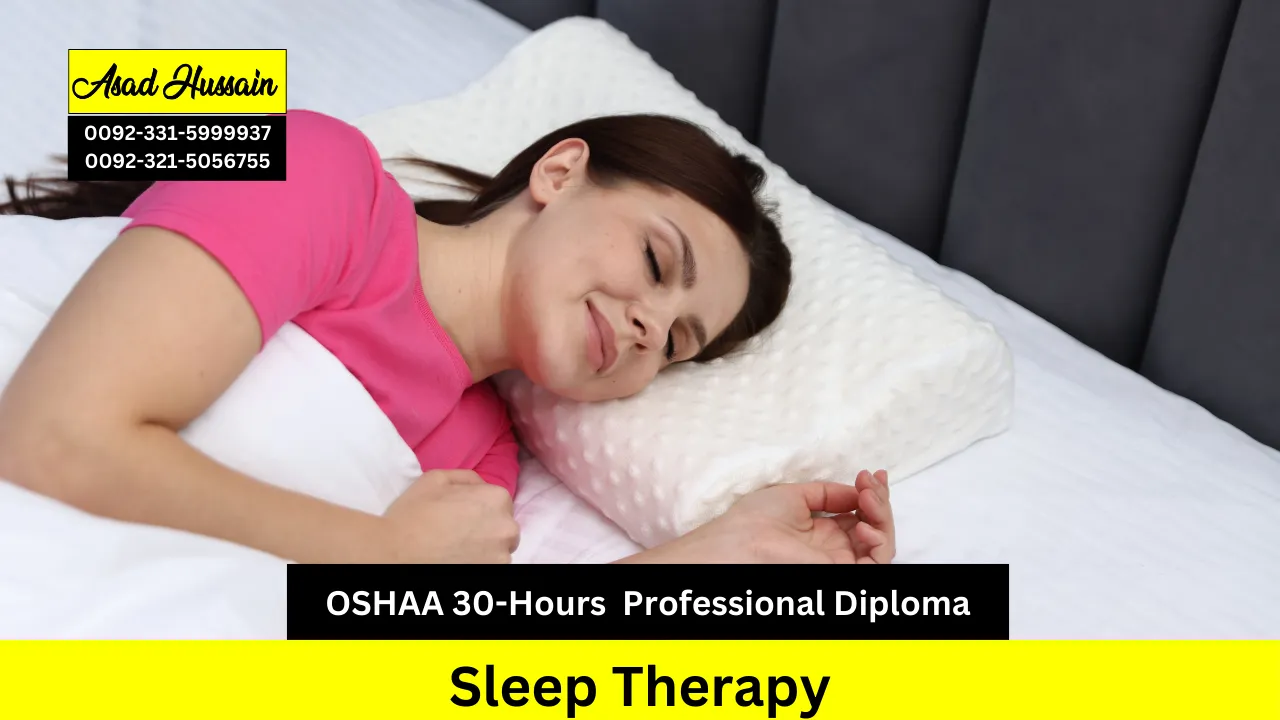
The OSHAA 30‑Hours Professional Diploma in Sleep Therapy is a specialized training program designed to provide learners with a strong foundation in understanding sleep health and its impact on overall wellbeing. This course introduces essential concepts of sleep science, therapeutic approaches, and practical techniques to support individuals facing sleep‑related challenges. With a structured curriculum, participants gain valuable insights into sleep management while enhancing their professional credibility in healthcare and wellness fields.
Learners are guided through interactive modules that combine theoretical knowledge with practical applications. The program emphasizes real‑world scenarios, helping participants develop confidence in identifying sleep disorders, applying therapeutic strategies, and supporting clients effectively. By completing this diploma, learners demonstrate their commitment to professional growth and acquire skills that can be applied across healthcare, wellness, and community settings. The training is flexible, making it accessible to professionals at different stages of their careers.
The OSHAA 30‑Hours Professional Diploma in Sleep Therapy also provides recognition through certifications and diplomas that validate the learner’s achievements. These credentials highlight dedication and competence in sleep therapy, empowering participants to stand out in the competitive healthcare and wellness industry. With a focus on practical skills and professional development, this course equips learners to make a meaningful impact in promoting healthy sleep and improving quality of life.
Program Highlights
Study Units
- Introduction to Sleep Science and Physiology (3 Hours)
- Understanding Sleep Cycles and Circadian Rhythms (5 Hours)
- Common Sleep Disorders: Identification and Classification (4 Hours)
- The Impact of Stress, Anxiety, and Lifestyle on Sleep (3 Hours)
- Cognitive Behavioural Therapy for Insomnia (CBT-I) Principles (4 Hours)
- Relaxation Techniques and Guided Sleep Interventions (5 Hours)
- Developing Effective Sleep Hygiene Practices (3 Hours)
- Assessing Sleep Patterns and Creating Personalised Plans (3 Hours)
Entry Requirements
- Age Requirement: Applicants must be at least 18 years old to enroll in this program.
- Educational Background: A minimum of secondary education is required. Candidates with prior certifications or diplomas such as Diploma in Health & Safety, Certificate in Child Care, or Diploma in Nursing Assistance are encouraged, as these provide a strong foundation for the course.
- Language Proficiency: Learners should have a good command of English to fully engage with the course materials, assessments, and practical applications.
- Work Experience: Previous experience in healthcare, wellness, or childcare settings is beneficial but not mandatory. It adds value to the learning process and helps participants apply knowledge more effectively.
Learning Outcomes
Introduction to Sleep Science and Physiology (3 Hours)
- Understand the biological functions and stages of sleep
- Identify the role of key hormones and brain structures in sleep regulation
- Explain the health implications of sleep deprivation and poor sleep quality
Understanding Sleep Cycles and Circadian Rhythms (5 Hours)
- Describe the structure and function of sleep cycles, including REM and non‑REM stages
- Explain the role of circadian rhythms in regulating sleep‑wake patterns
- Analyse the effects of circadian disruption on physical and mental health
- Apply knowledge of circadian biology to support healthy sleep routines
Common Sleep Disorders: Identification and Classification (4 Hours)
- Recognise symptoms of common sleep disorders such as insomnia, sleep apnoea, restless legs syndrome, and parasomnias
- Understand diagnostic criteria and classifications of sleep disorders
- Identify when to refer clients to medical professionals for further evaluation
The Impact of Stress, Anxiety, and Lifestyle on Sleep (3 Hours)
- Explore how psychological and lifestyle factors influence sleep quality
- Understand the interaction between stress responses and sleep disruption
- Identify behavioural patterns that contribute to poor sleep and develop strategies for improvement
Cognitive Behavioural Therapy for Insomnia (CBT‑I) Principles (4 Hours)
- Understand the core components of CBT‑I and its evidence‑based effectiveness
- Apply cognitive and behavioural strategies to address negative sleep‑related thoughts and behaviours
- Develop a structured CBT‑I framework suitable for client use
Relaxation Techniques and Guided Sleep Interventions (5 Hours)
- Practise a variety of relaxation methods including progressive muscle relaxation, guided imagery, and mindfulness
- Understand the role of relaxation in reducing arousal and promoting sleep readiness
- Deliver guided interventions tailored to individual sleep difficulties
Developing Effective Sleep Hygiene Practices (3 Hours)
- Define sleep hygiene and its role in long‑term sleep improvement
- Identify key behavioural and environmental factors that affect sleep quality
- Educate clients on implementing consistent and healthy pre‑sleep routines
Assessing Sleep Patterns and Creating Personalised Plans (3 Hours)
- Use assessment tools such as sleep diaries and questionnaires to evaluate sleep habits
- Analyse individual sleep data to identify patterns and challenges
- Design tailored sleep improvement plans based on client needs and evidence-based practice
Target Audience
The OSHAA 30‑Hours Professional Diploma in Sleep Therapy is designed for individuals who are passionate about improving sleep health and want to gain practical, evidence‑based skills in sleep management. This program is suitable for a wide range of learners across healthcare, wellness, and community sectors.
Healthcare Professionals
- Nurses and medical assistants working in hospitals or clinics
- Allied health workers supporting patients with sleep issues
- Community health practitioners promoting wellness
- Professionals seeking to expand their knowledge in sleep therapy
- Those aiming to strengthen their patient care skills
Wellness and Holistic Practitioners
- Sleep coaches and wellness consultants
- Yoga and mindfulness instructors integrating sleep practices
- Nutritionists focusing on lifestyle and sleep health
- Fitness trainers addressing recovery and rest
- Holistic therapists supporting overall wellbeing
Childcare and Family Support Workers
- Early years educators and childcare providers
- Family support coordinators guiding parents on sleep routines
- Social workers assisting families with sleep challenges
- Caregivers managing children’s sleep health
- Community outreach staff promoting healthy sleep habits
Mental Health and Counseling Professionals
- Counselors working with clients experiencing insomnia
- Therapists integrating CBT‑I strategies into practice
- Psychologists addressing stress and anxiety linked to sleep
- Support workers helping individuals with behavioural sleep issues
- Professionals aiming to enhance therapeutic outcomes
Students and Learners in Health Fields
- Learners with certificates in health and safety
- Holders of diplomas in nursing assistance or child care
- Students pursuing healthcare‑related certifications
- Individuals preparing for roles in wellness and therapy
- Those seeking recognition through professional diplomas
Career Changers and Aspiring Professionals
- Individuals transitioning into healthcare or wellness roles
- Professionals from related fields seeking sleep therapy expertise
- Career changers motivated by improving quality of life
- Those aiming to strengthen their CV with healthcare credentials
- Learners committed to professional development
This diploma is crafted to be inclusive and practical, ensuring that anyone with a genuine interest in sleep therapy can benefit. By meeting the entry requirements and engaging with the modules, participants gain valuable skills that empower them to make a meaningful impact in promoting healthy sleep and wellbeing.