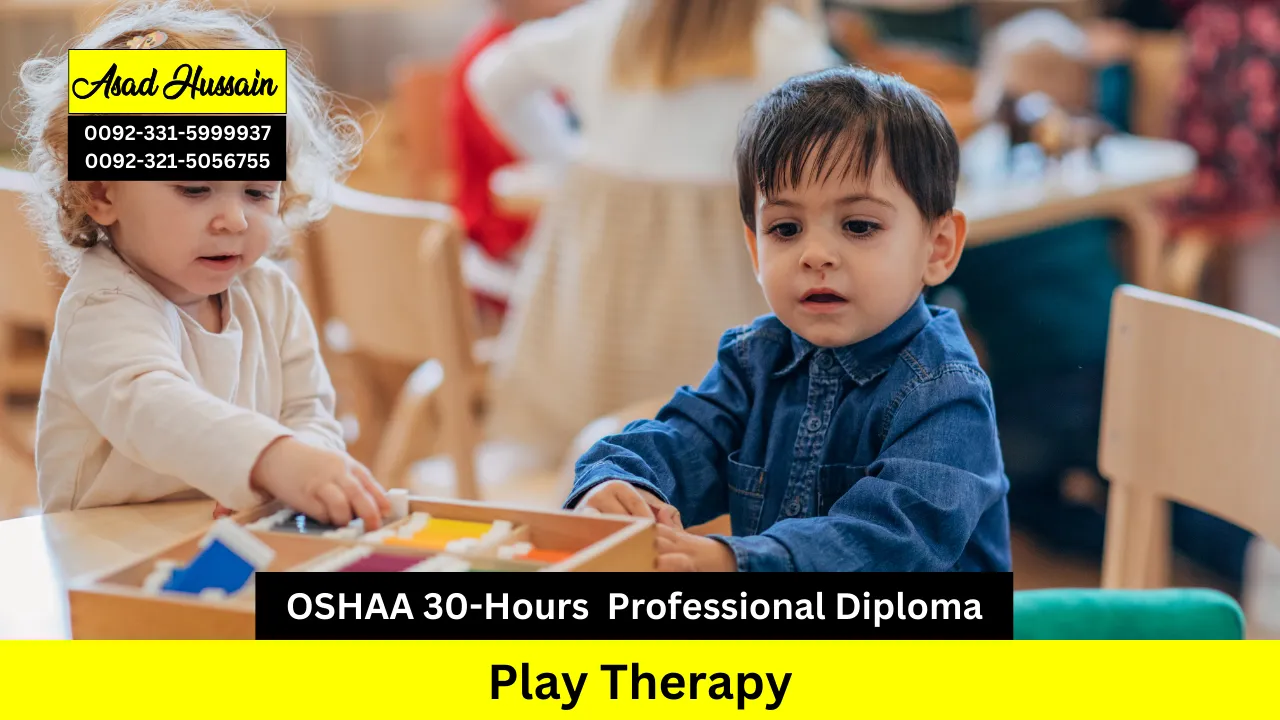
Become a Certified Expert: Professional Play Therapy Diploma
The OSHAA 30-Hours Professional Diploma in Play Therapy is an elite training program meticulously crafted to provide practitioners with the therapeutic tools necessary to communicate with children through their natural language: play. This curriculum masterfully integrates advanced child psychology with essential clinical safety and occupational health standards. Participants explore the nuances of non-verbal communication, symbolic expression, and emotional regulation while learning to maintain a secure therapeutic environment. By mastering these specialized protocols, professionals ensure that psychological support is delivered within a secure, compliant, and highly structured framework that prioritizes the safety of the child and the professional integrity of the practitioner.
This comprehensive program bridges the gap between creative therapeutic theory and the practical safety requirements of modern clinical and educational facilities. You will gain deep insights into hazard identification within a playroom setting, the proper maintenance of therapeutic tools, and the ethical management of sensitive child data. While this course is not Ofqual regulated, it delivers the high-level technical expertise necessary to lead play-based interventions effectively within a professional setting. The training emphasizes a proactive culture of safety, empowering you to design and oversee robust therapeutic frameworks that meet international expectations. You will emerge with the specialized skills needed to handle complex emotional scenarios.
OSHAA 30-Hours Professional Diploma in Play Therapy graduates are exceptionally well-positioned to pursue advanced career paths and prestigious professional recognitions in the global mental health and child welfare sectors. Completing this diploma serves as a powerful validation of your expertise, opening doors to specialized roles such as Play Therapy Coordinator or Child Wellbeing Consultant. Your comprehensive understanding of these safety standards acts as a vital foundation for those pursuing additional professional certifications and diplomas in trauma-informed care or pediatric behavioral health. By building this world-class foundation, you significantly enhance your professional portfolio, making you a top-tier candidate for leadership positions and specialized consultancy roles in the industry.
Program Highlights
Study Units
- Foundations of Play Therapy and Child Development (3 hours)
- Theoretical Approaches to Play Therapy (5 hours)
- Types of Play and Their Therapeutic Value (4 hours)
- Creating a Safe and Inclusive Play Environment (3 hours)
- Understanding Emotional and Behavioural Cues in Play (5 hours)
- Therapeutic Tools and Techniques in Play-Based Interventions (3 hours)
- Working with Trauma and Grief Through Play (3 hours)
- Engaging Families and Building Therapeutic Relationships (4 hours)
Entry Requirements
To enroll in the OSHAA 30-Hours Professional Diploma in Play Therapy, candidates must demonstrate a high level of professional readiness and emotional intelligence to manage the sensitive nature of therapeutic play:
- Age and Educational Foundation: Applicants must be 18 years of age or older and hold a secondary education certificate. Priority is given to those holding a Diploma in Child Psychology, a Certificate in Early Childhood Education, or a Level 3 Diploma in Health and Social Care.
- Language Proficiency: A professional level of English is required to accurately document clinical observations, interpret non-verbal behavioral cues, and participate in case studies involving international therapeutic standards.
- Professional Experience: While the course is open to all, 6–12 months of experience in a pediatric, educational, or mental health setting—or possessing a Professional Certificate in Counseling Skills—is highly recommended to provide a practical context for the training.
These requirements ensure that every participant possesses the foundational maturity and academic background necessary to implement advanced play-based interventions within a safe and clinical framework.
Learning Outcomes
Foundations of Play Therapy and Child Development
- Understand the core principles and psychological purpose of play as a therapeutic medium.
- Identify key stages of child development that directly impact therapeutic engagement and practice.
- Recognize the vital importance of play in fostering healthy emotional, cognitive, and social development.
- Develop a professional awareness of the therapist’s role within a child-centered play framework.
Theoretical Approaches to Play Therapy
- Explore the major psychological theories underpinning play therapy, including psychodynamic and humanistic models.
- Compare and contrast the clinical application of directive versus non-directive play therapy approaches.
- Understand the profound influence of attachment theory and child-centered models on modern practice.
- Analyze how different theoretical frameworks guide the selection of therapeutic goals and interventions.
Types of Play and Their Therapeutic Value
- Identify various forms of play utilized in therapy, such as symbolic, imaginative, and sensory play.
- Understand the specific emotional and behavioral expressions associated with different play modalities.
- Recognize how play serves as a primary communication tool for children with limited verbal skills.
- Apply appropriate play types to diverse therapeutic contexts to maximize patient engagement.
Creating a Safe and Inclusive Play Environment
- Learn how to design and maintain a physically and emotionally secure play space that meets safety standards.
- Understand the critical importance of maintaining confidentiality and building professional trust.
- Explore inclusive practices that accommodate children from diverse cultural needs and physical backgrounds.
- Implement clinical strategies to manage therapeutic boundaries while encouraging emotional openness.
Understanding Emotional and Behavioural Cues in Play
- Recognize non-verbal signals, recurring themes, and symbolic metaphors expressed through play.
- Interpret complex emotional indicators in children’s behavior and body language during sessions.
- Develop advanced observational skills for assessing a child’s internal emotional state and clinical progress.
- Understand the cultural and developmental factors that influence how children manifest play behaviors.
Therapeutic Tools and Techniques in Play-Based Interventions
- Gain professional familiarity with core tools, including sand trays, puppets, art materials, and storytelling.
- Apply specific techniques that align with established therapeutic goals and the child’s developmental stage.
- Learn to adapt various interventions to suit individual needs, preferences, and sensory profiles.
- Evaluate the effectiveness of selected tools in facilitating successful emotional expression and catharsis.
Working with Trauma and Grief Through Play
- Understand the profound impact of acute trauma and chronic loss on a child’s long-term mental health.
- Identify specific signs of trauma responses and “re-enactment” during play therapy sessions.
- Learn trauma-informed approaches designed to support neurological healing through play-based activities.
- Facilitate the safe expression and processing of grief in an age-appropriate and supportive manner.
Engaging Families and Building Therapeutic Relationships
- Understand the vital role that parents and primary caregivers play in the overall therapeutic process.
- Develop effective communication strategies for involving families in the creation of treatment plans.
- Address complex challenges in family dynamics that may hinder or influence therapy outcomes.
- Build collaborative, high-trust relationships with guardians to support the child’s sustained emotional growth.
Target Audience
The OSHAA 30-Hours Professional Diploma in Play Therapy is an intensive program tailored for compassionate professionals and mental health advocates who wish to utilize play as a primary clinical tool for emotional healing, behavioral regulation, and child-centered communication.
Mental Health Practitioners and Counselors
- Psychologists looking to integrate non-directive play techniques into their pediatric practice.
- Professional counselors aiming to specialize in creative therapeutic interventions for children.
- Trainee therapists seeking a professional foundation in symbolic and imaginative play.
- Mental health social workers managing caseloads involving child trauma and attachment issues.
- Behavioral therapists focusing on non-verbal emotional expression for neurodivergent youth.
- Grief counselors specializing in helping children navigate loss through storytelling and art.
Early Years and Primary Educators
- School counselors responsible for the emotional and social wellbeing of students.
- Early years teachers wanting to incorporate therapeutic play into the classroom environment.
- Primary school leads focused on developing pastoral care and mental health support.
- Special Educational Needs Coordinators (SENCOs) using play to bridge communication gaps.
- Teaching assistants supporting children with significant emotional or behavioral challenges.
- Nursery managers overseeing the creation of safe and stimulating therapeutic spaces.
Child Protection and Welfare Specialists
- Safeguarding officers in NGOs and government agencies dealing with vulnerable children.
- Family support workers helping children process domestic transitions through play.
- Foster care specialists training caregivers on the importance of therapeutic bonding.
- Juvenile justice workers focused on rehabilitation through creative emotional outlets.
- Child advocacy experts representing the psychological best interests of children in court.
- Humanitarian workers providing psychological first aid to children in conflict zones.
Pediatric Healthcare Professionals
- Pediatric nurses aiming to reduce hospital-related anxiety through therapeutic play.
- Occupational therapists using sensory play to assist with developmental regulation.
- Speech and language therapists integrating play to encourage phonetic expression.
- Pediatric clinic administrators ensuring facilities meet child-centered safety standards.
- Health visitors identifying early emotional red flags during home assessment visits.
- Rehabilitation specialists using puppets and art to help children process physical recovery.
Community and Youth Support Leaders
- Youth workers organizing community-based resilience programs for at-risk children.
- Charity directors managing programs for displaced or refugee pediatric populations.
- Religious and community leaders providing emotional guidance to families in crisis.
- Volunteers in children’s hospitals seeking a deeper understanding of play-based healing.
- Program coordinators for after-school initiatives focused on social skill development.
- Sports and recreation coaches working with children from difficult family backgrounds.
Aspiring Specialists and Career Changers
- Graduates holding a Diploma in Child Psychology seeking specialized clinical skills.
- Healthcare workers with a Level 3 Diploma in Health and Social Care aiming to advance.
- Professionals possessing a Professional Certificate in Counseling Skills.
- Career changers moving from administrative roles into the field of child welfare.
- Students pursuing a career in child psychotherapy who require a safety-first foundation.
- Psychology interns looking for a comprehensive overview of non-invasive treatment tools.
By completing this diploma, you will be empowered with the clinical insight and creative expertise necessary to transform children’s lives, ensuring that every session is a safe step toward emotional recovery and long-term resilience.