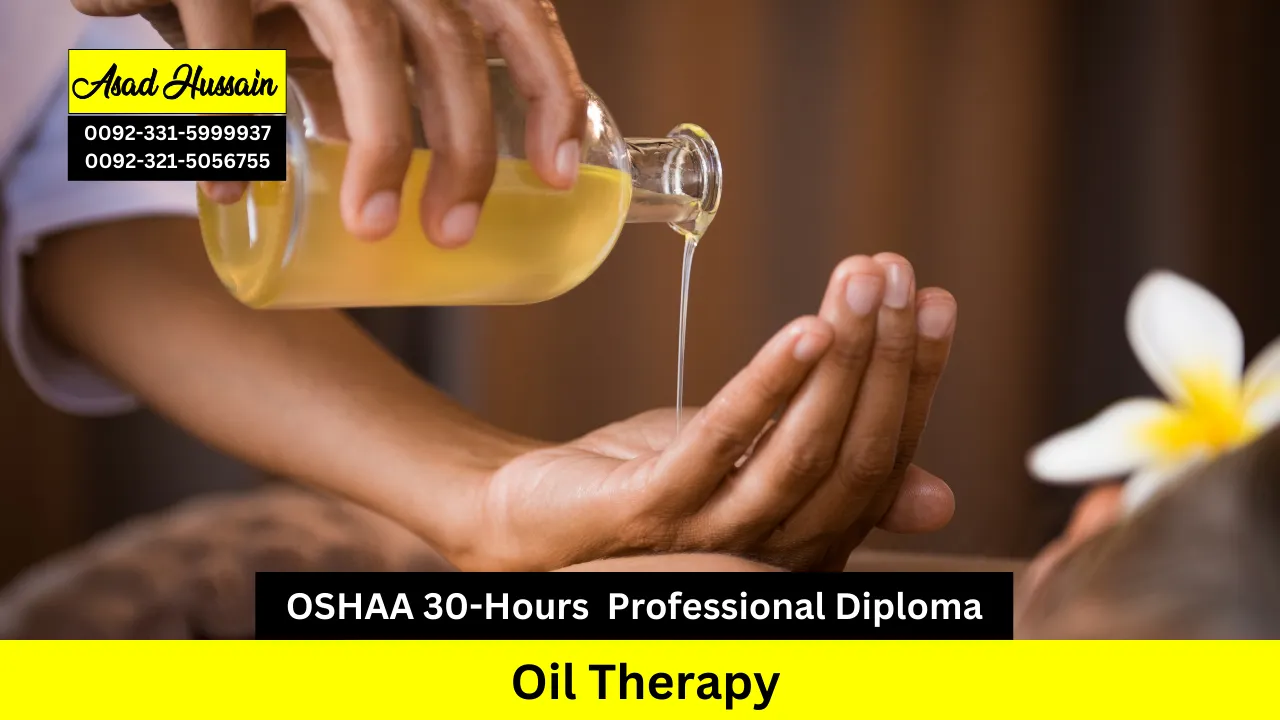
Master Essential Wellness: Professional Diploma in Oil Therapy
The OSHAA 30-Hours Professional Diploma in Oil Therapy is a sophisticated training program designed to merge the ancient art of aromatic oils with modern clinical safety and occupational health standards. This curriculum focuses on the precise application of therapeutic oils, emphasizing chemical safety, dilution protocols, and the ethical management of client wellness. Students explore the synergy between holistic healing and rigorous safety frameworks, learning to mitigate risks such as skin sensitivities and environmental hazards. By mastering these specialized protocols, professionals ensure that therapeutic treatments are delivered within a secure, compliant, and highly organized environment that prioritizes client health and practitioner safety at every stage.
This comprehensive program bridges the gap between traditional holistic methods and the practical safety requirements of modern therapeutic facilities. You will gain deep insights into hazard communication, the proper storage of volatile substances, and the implementation of infection control within a wellness setting. While this course is not Ofqual regulated, it delivers the high-level technical expertise necessary to lead wellness initiatives effectively within a professional environment. The training emphasizes a proactive culture of safety, empowering you to design and oversee robust therapy protocols that meet international expectations. You will emerge with the specialized skills needed to handle complex oil therapy scenarios while ensuring operational excellence.
OSHAA 30-Hours Professional Diploma in Oil Therapy graduates are exceptionally well-positioned to pursue advanced career paths and prestigious professional recognitions in the global wellness and alternative medicine sectors. Completing this diploma serves as a powerful validation of your expertise, opening doors to specialized roles such as Wellness Center Manager or Clinical Aromatherapy Consultant. Your comprehensive understanding of these safety standards acts as a vital foundation for those pursuing additional professional certifications and diplomas in holistic health management or natural product safety. By building this world-class foundation, you significantly enhance your professional portfolio, making you a top-tier candidate for leadership positions and specialized consultancy roles in the wellness industry.
Program Highlights
Study Units
- Introduction to Oil Therapy: History and Principles (2 hours)
- The Science of Essential Oils and Their Therapeutic Properties (4 hours)
- Types of Essential Oils and Their Uses (4 hours)
- Methods of Application: Inhalation, Topical, and Diffusion (3 hours)
- Blending Essential Oils for Therapeutic Purposes (3 hours)
- Using Oil Therapy for Emotional and Psychological Wellbeing (4 hours)
- Essential Oils for Physical Health: Pain Relief, Sleep, and Immune Support (4 hours)
- Safety and Precautions in Oil Therapy (3 hours)
- Ethical Considerations and Professional Practices in Oil Therapy (3 hours)
Entry Requirements
To enroll in the OSHAA 30-Hours Professional Diploma in Oil Therapy, applicants must satisfy the following essential criteria to ensure they can manage the technical and safety demands of professional practice:
- Age and Education: Candidates must be at least 18 years of age and hold a high school diploma. Preference is given to those holding a Diploma in Holistic Health, a Certificate in Aromatherapy, or a Level 3 Diploma in Complementary Therapies.
- Language Proficiency: A solid command of English is required to accurately interpret chemical safety data sheets, therapeutic protocols, and international regulatory standards.
- Work Experience: While not mandatory, 6 months of experience in a wellness or clinical setting—or holding a Professional Certificate in Massage Therapy Support—is highly recommended for practical context.
These requirements ensure that every participant possesses the foundational knowledge necessary to master specialized safety protocols and achieve excellence in the field of oil therapy.
Learning Outcomes
Introduction to Oil Therapy: History and Principles
- Understand the origins and cultural significance of oil therapy in different traditions.
- Learn the core principles and foundations of oil therapy.
- Appreciate the historical use of essential oils in healing practices.
- Explore the evolution of oil therapy into modern wellness treatments.
The Science of Essential Oils and Their Therapeutic Properties
- Understand the chemical composition of essential oils.
- Learn how essential oils interact with the body and mind to promote healing.
- Explore the physiological effects of different oils on body systems.
- Understand therapeutic applications of oils for specific conditions.
Types of Essential Oils and Their Uses
- Learn about commonly used essential oils and their properties.
- Understand the therapeutic benefits of oils like lavender, peppermint, eucalyptus, and tea tree.
- Discover how to select the right oil for health and emotional needs.
- Explore the versatility of oils in everyday wellness.
Methods of Application: Inhalation, Topical, and Diffusion
- Understand different methods for applying essential oils.
- Learn advantages and limitations of each method.
- Gain practical knowledge for effective administration.
- Develop skills to recommend the most suitable method for clients.
Blending Essential Oils for Therapeutic Purposes
- Learn the art and science of blending oils safely and effectively.
- Develop skills to create custom blends tailored to client needs.
- Understand proper dilution ratios and techniques.
- Explore formulating blends for relaxation, pain relief, and mental clarity.
Using Oil Therapy for Emotional and Psychological Wellbeing
- Understand oils’ role in managing emotional and psychological health.
- Learn how specific oils reduce stress, anxiety, and depressive symptoms.
- Explore aromatherapy for emotional balance and mental clarity.
- Develop the ability to enhance emotional wellbeing with oils.
Essential Oils for Physical Health: Pain Relief, Sleep, and Immune Support
- Learn to use essential oils for pain, insomnia, and immune support.
- Explore oils that promote restful sleep and reduce inflammation.
- Understand combining oils with other treatments for better outcomes.
- Gain practical knowledge for improving physical health through oils.
Safety and Precautions in Oil Therapy
- Understand safety principles, including correct dosages and application methods.
- Learn to identify contraindications and allergies.
- Explore precautions for children, pregnant women, and people with health conditions.
- Gain knowledge to prevent side effects and ensure safe practice.
Ethical Considerations and Professional Practices in Oil Therapy
- Learn about ethical responsibilities for practitioners.
- Understand client confidentiality, informed consent, and professional boundaries.
- Explore the importance of client education and clear communication.
- Maintain high professional standards in oil therapy practice.
Target Audience
The OSHAA 30-Hours Professional Diploma in Oil Therapy is a comprehensive program meticulously designed for practitioners and wellness professionals who seek to integrate the therapeutic power of essential oils with world-class safety and clinical management standards.
Holistic and Alternative Health Practitioners
- Aromatherapists looking to formalize their expertise with professional safety standards.
- Massage therapists integrating essential oils into their clinical practice.
- Reflexologists seeking to enhance treatment efficacy through oil therapy.
- Herbalists focusing on the safe application of volatile plant extracts.
- Holistic health coaches advising clients on natural wellness protocols.
- Naturopaths requiring advanced knowledge in oil-related hazard management.
Spa and Wellness Center Professionals
- Spa managers overseeing the safe storage and handling of essential oils.
- Estheticians utilizing oil-based treatments for advanced skincare.
- Wellness coordinators designing therapeutic programs for luxury resorts.
- Salon owners implementing occupational health standards for chemical safety.
- Therapy assistants supporting senior practitioners in busy wellness centers.
- Quality assurance leads monitoring sanitation and dilution protocols.
Healthcare and Clinical Support Staff
- Palliative care workers using aromatherapy for patient comfort and support.
- Rehabilitation assistants integrating scent-based therapies into recovery.
- Nurses in integrative medicine departments focusing on holistic care.
- Occupational therapists using oil therapy for sensory stimulation.
- Geriatric care providers enhancing the well-being of elderly residents.
- Medical facility safety officers auditing alternative therapy departments.
Retail and Manufacturing Specialists
- Essential oil retailers providing expert safety advice to consumers.
- Product developers formulating oil-based wellness and beauty lines.
- Quality control technicians testing oil purity and chemical stability.
- Brand ambassadors for essential oil companies requiring technical training.
- Supply chain managers overseeing the transport of volatile substances.
- Regulatory affairs specialists ensuring oil labels meet safety standards.
Aspiring Therapists and Career Changers
- Science graduates with a Diploma in Holistic Health or Biology.
- Individuals holding a foundational Certificate in Aromatherapy.
- Professionals with a Level 3 Diploma in Complementary Therapies.
- Career changers transitioning from general retail into the wellness sector.
- Aspiring Wellness Consultants building a professional, safety-first portfolio.
- Students aiming for leadership roles in the global aromatherapy market.
Health and Safety Compliance Officers
- Workplace safety inspectors auditing natural therapy clinics.
- Risk assessors identifying hazards related to essential oil toxicity.
- Environmental health officers monitoring ventilation and storage in spas.
- Training instructors developing safety onboarding for therapy staff.
- Consultants specializing in occupational health for the beauty industry.
- Insurance adjusters evaluating risk management in holistic facilities.
By completing this diploma, you will establish yourself as an authoritative expert capable of delivering sophisticated oil therapy treatments while maintaining the highest levels of professional safety and operational integrity.