Master Neurology Fundamentals with the Diploma in Neurology
The OSHAA 30-Hours Professional Diploma in Neurology is a carefully designed programme that introduces learners to the fundamental principles of the human nervous system. It covers essential topics including brain structure, spinal cord function, neural pathways, and the relationship between the nervous system and behaviour. Participants gain an understanding of neurological health, disorders, and clinical assessment techniques. The course focuses on developing practical knowledge, critical thinking, and observational skills, making it suitable for individuals aiming to strengthen their expertise in neurological concepts in both professional and personal contexts. The programme is not Ofqual regulated but provides a structured learning experience for all learners.
The course emphasises applied neurological knowledge and understanding of disorders, symptoms, and cognitive functions. Learners explore neural communication, sensory and motor system interactions, and the impact of neurological conditions on everyday functioning. It also addresses safety protocols, patient observation, and ethical considerations in clinical or caregiving environments. By combining theoretical concepts with practical examples, participants develop skills that can enhance their existing certifications and diplomas in healthcare, medical support, or cognitive sciences, providing a strong foundation for career advancement or professional enrichment.
OSHAA 30-Hours Professional Diploma in Neurology offers a focused, intensive learning experience designed to enhance understanding of complex neurological processes. The course equips learners with practical skills to recognise neurological signs, understand disorders, and apply safe and effective practices in professional settings. It is ideal for individuals seeking to complement their knowledge with recognised certifications and diplomas while gaining insight into the structure, function, and health of the nervous system. Through this diploma, participants strengthen both theoretical understanding and practical competence in neurology, supporting professional growth and enhanced cognitive awareness.
Program Highlights
Study Units
- Introduction to Neurology and the Nervous System (3 hours)
- Central and Peripheral Nervous System Structures (4 hours)
- Neurons, Neurotransmitters, and Brain Function (6 hours)
- Clinical Signs and Symptoms of Neurological Disorders (4 hours)
- Neurological Examination and Patient Assessment (3 hours)
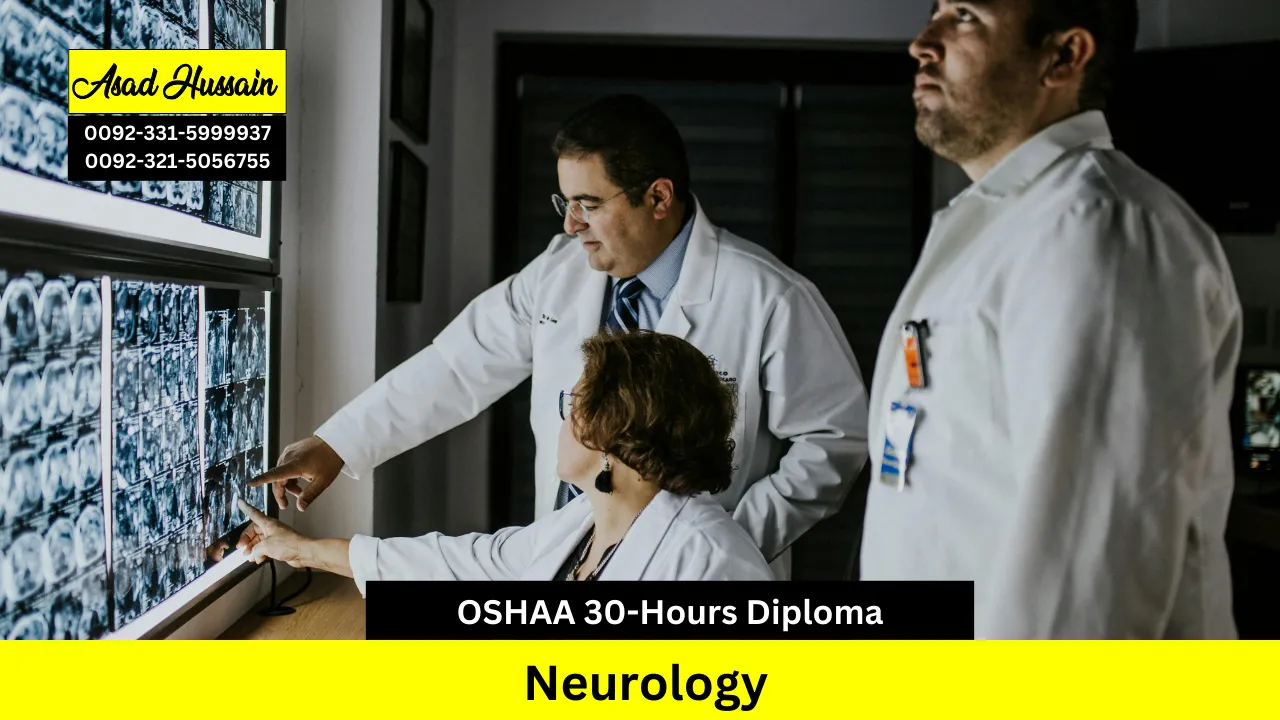
- Diagnostic Tools: Imaging and Electrophysiology (4 hours)
- Acute Neurological Conditions: Stroke and Epilepsy (3 hours)
- Chronic and Degenerative Disorders: Parkinson’s, MS, and Dementia (3 hours)
The entry requirements for this course are designed to ensure learners can fully engage with the material while keeping the programme accessible to a wide range of individuals interested in neurology and healthcare support.
- Age Requirement: Applicants should generally be at least 18 years old to enrol, ensuring readiness for professional-level learning and study commitment.
- Educational Background: A basic secondary education is recommended. Learners with prior exposure to related diplomas or certificates—such as healthcare support, medical sciences, anatomy, physiology, or cognitive science—may find the course especially beneficial, though it is not mandatory.
- Language Proficiency: Participants should have a functional level of English, as all learning materials, assessments, and instructions are delivered in English.
- Work Experience: No formal work experience is required. However, individuals with experience in healthcare settings, medical support roles, caregiving, or clinical observation may gain additional practical insight and context from the course.
Overall, these entry requirements ensure that the OSHAA 30-Hours Professional Diploma in Neurology remains open to motivated learners seeking to strengthen their knowledge and practical skills in neurological science while complementing existing certifications and diplomas.
Learning Outcomes
Introduction to Neurology and the Nervous System (3 hours)
- Understand the scope of neurology and its role in healthcare and disease management
- Identify the key functions of the nervous system in regulating body processes
- Gain a basic overview of neurological terminology and systems organisation
- Recognise the importance of neurological knowledge in clinical and support settings
Central and Peripheral Nervous System Structures (4 hours)
- Describe the anatomical components of the central and peripheral nervous systems
- Understand the roles of the brain, spinal cord, cranial nerves, and peripheral nerves
- Identify the functional areas of the brain and their associated body systems
- Differentiate between sensory and motor pathways in the nervous system
Neurons, Neurotransmitters, and Brain Function (6 hours)
- Explain the structure and function of neurons and glial cells
- Understand the process of synaptic transmission and the role of neurotransmitters
- Explore how different neurotransmitters influence cognition, emotion, and behaviour
- Relate chemical imbalances to neurological and psychiatric conditions
Clinical Signs and Symptoms of Neurological Disorders (4 hours)
- Recognise key symptoms such as weakness, tremors, seizures, and sensory loss
- Differentiate between localised and generalised neurological presentations
- Understand patterns of symptoms that indicate specific neurological conditions
- Gain awareness of urgent signs requiring immediate referral or care
Neurological Examination and Patient Assessment (3 hours)
- Understand the structure and purpose of a neurological examination
- Identify the components of cranial nerve testing, motor and sensory assessment
- Appreciate the importance of clinical observation and patient history
- Learn basic interpretation of examination findings to support clinical decisions
Diagnostic Tools: Imaging and Electrophysiology (4 hours)
- Identify common diagnostic tools including MRI, CT, EEG, and EMG
- Understand the indications and limitations of each diagnostic method
- Interpret basic neuroimaging results in relation to common conditions
- Recognise the role of diagnostics in early detection and monitoring of disease
Acute Neurological Conditions: Stroke and Epilepsy (3 hours)
- Understand the causes, types, and clinical presentation of stroke and epilepsy
- Identify warning signs and immediate response strategies
- Learn the principles of acute management and secondary prevention
- Explore the long-term impact of acute neurological events on function and health
Chronic and Degenerative Disorders: Parkinson’s, MS, and Dementia (3 hours)
- Describe the underlying mechanisms and progression of Parkinson’s disease, multiple sclerosis, and dementia
- Recognise the key clinical features and diagnostic criteria for each condition
- Understand treatment approaches including medication, therapy, and supportive care
- Explore the impact of chronic neurological illness on daily living and carer roles
Target Audience
This course is designed for individuals who want to develop a strong understanding of neurology, enhance their clinical knowledge, and apply practical skills in healthcare or related professional settings.
Aspiring Healthcare Professionals
- Gain foundational knowledge of the nervous system and neurological functions
- Understand neurological disorders and their clinical presentations
- Develop skills in patient assessment and observation
- Learn diagnostic methods and interpretation basics
- Enhance readiness for roles in clinical support and healthcare environments
Medical and Clinical Support Staff
- Strengthen understanding of neurological conditions and patient care
- Learn to recognise signs and symptoms of acute and chronic disorders
- Apply safe and effective observation techniques in healthcare settings
- Support clinical teams with basic neurological assessments
- Improve accuracy in reporting patient conditions and responses
Neuroscience and Psychology Enthusiasts
- Explore how the brain and nervous system influence behaviour and cognition
- Understand neurotransmitters, synaptic function, and neural communication
- Learn about cognitive and motor processes in health and disease
- Analyse case studies to link theory with practical neurological outcomes
- Develop insight into neurological mechanisms for research or study purposes
Caregivers and Rehabilitation Professionals
- Understand the long-term impact of neurological disorders on daily living
- Learn strategies to support patients with chronic or degenerative conditions
- Enhance knowledge of therapy, medication, and supportive care approaches
- Develop observational and documentation skills for care planning
- Improve patient safety and wellbeing through informed neurological understanding
Students and Lifelong Learners
- Gain comprehensive knowledge of neurology for personal or professional enrichment
- Strengthen critical thinking and problem-solving skills in healthcare contexts
- Learn to apply theoretical concepts to practical situations
- Build a foundation for complementary certifications and diplomas in healthcare
- Enhance understanding of brain health, neurological assessment, and patient care
Professionals in Emergency and Acute Care
- Recognise urgent neurological signs requiring immediate action
- Apply basic principles of acute management for stroke, epilepsy, and other conditions
- Understand patient monitoring and early intervention strategies
- Support rapid decision-making and safe care practices
- Improve coordination and communication with clinical teams
Overall, this course is ideal for anyone seeking to deepen their knowledge of the nervous system, enhance practical neurological skills, and strengthen their professional capability in healthcare or clinical support roles.