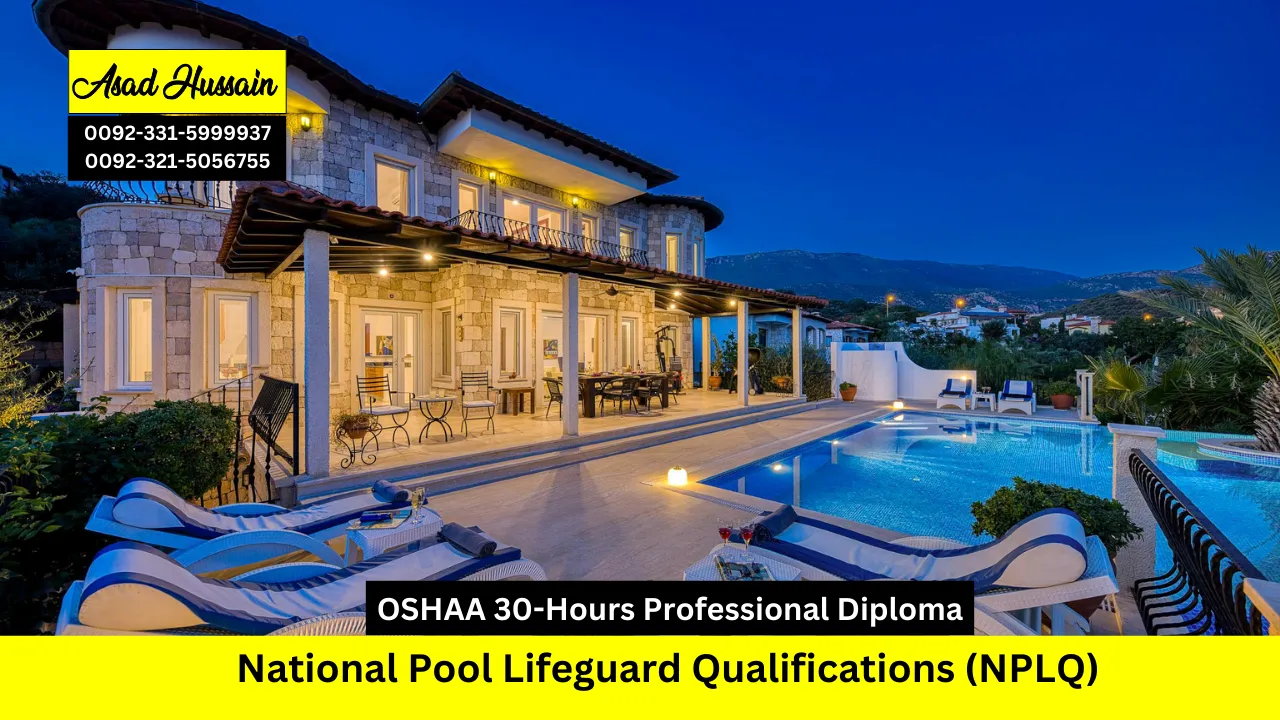
Advance Your Aquatic Safety Career with OSHAA 30-Hours National Pool Lifeguard Qualifications (NPLQ)
The OSHAA 30-Hours Professional Diploma in National Vocational Beach Lifeguard Qualifications (NVBLQ) is a comprehensive professional training programme designed to equip learners with the essential knowledge and practical skills required to operate safely and confidently in beach and coastal environments. This course focuses on developing strong foundations in beach safety, hazard recognition, surveillance, and effective emergency response. Participants gain a clear understanding of the responsibilities associated with vocational beach lifeguarding, including public safety management, risk awareness, and proactive incident prevention in dynamic open-coast settings.
Through structured learning and scenario-based training, this programme emphasises real-world application of beach lifeguard duties. Learners explore coastal hazards such as tides, rip currents, wave patterns, and weather changes while developing skills in observation, communication, and teamwork. The course also strengthens rescue readiness by covering essential rescue techniques, casualty care, and emergency coordination relevant to beach environments. In addition, learners are introduced to professional standards aligned with recognised safety certifications and vocational diplomas that support competence and operational credibility within aquatic safety roles.
OSHAA 30-Hours Professional Diploma in National Vocational Beach Lifeguard Qualifications (NVBLQ) provides focused training aimed at building confidence, professionalism, and situational awareness for beach lifeguard operations. The programme supports skill development applicable to vocational certifications and professional diplomas in aquatic safety, lifesaving, and emergency response. Learners benefit from a balanced approach combining safety principles, ethical responsibility, and practical readiness, enabling them to contribute effectively to beach safety operations while maintaining high standards of public protection and professional conduct.
Program Highlights
- Introduction to National Pool Lifeguard Qualifications and Industry Standards (2 Hours)
- Roles, Responsibilities, and Professional Conduct of a Pool Lifeguard (3 Hours)
- Pool Safety Operations and Hazard Identification (5 Hours)
- Surveillance Techniques and Incident Prevention Strategies (3 Hours)
- Water Rescue Skills and Safe Recovery Techniques (4 Hours)
- Cardiopulmonary Resuscitation (CPR) and First Aid Essentials (5 Hours)
- Emergency Response Procedures and Incident Management (4 Hours)
- Communication Skills and Team Coordination in Lifeguarding (2 Hours)
- Legal and Ethical Considerations in Lifeguard Practice (2 Hours)
To ensure learners can safely participate and successfully complete the training, the following entry requirements are recommended for this course.
- Age Requirement: Learners should generally be at least 16 years of age, allowing them to meet the physical and responsibility demands associated with pool lifeguarding roles.
- Educational Background: A basic secondary school education is recommended. Holding related diplomas or certificates such as swimming instruction certificates, aquatic safety awards, water rescue training, lifesaving certificates, or pool safety diplomas can be beneficial and support understanding of course content.
- Language Proficiency: Participants should have a good level of spoken and written English to follow instructions, understand safety procedures, and communicate clearly during lifeguard duties and emergency situations.
- Work Experience: Previous experience in swimming, pool operations, coaching, or other aquatic or safety-related roles is advantageous, as it helps learners adapt more quickly to practical rescue scenarios and poolside supervision responsibilities.
Learning Outcomes
Introduction to National Pool Lifeguard Qualifications and Industry Standards (2 Hours)
Understand the scope and objectives of the National Pool Lifeguard Qualifications (NPLQ)
Recognise the importance of adhering to national and international lifeguard standards
Identify the key competencies required for professional lifeguard practice
Roles, Responsibilities, and Professional Conduct of a Pool Lifeguard (3 Hours)
Define the primary duties and responsibilities of a pool lifeguard
Apply professional conduct and ethical behaviour in lifeguarding activities
Demonstrate awareness of accountability and workplace discipline
Pool Safety Operations and Hazard Identification (5 Hours)
Conduct routine pool safety checks and operational inspections
Identify and assess potential hazards within pool environments
Implement preventive measures to reduce risks and enhance safety
Surveillance Techniques and Incident Prevention Strategies (3 Hours)
Apply effective observation and monitoring techniques
Recognise early warning signs of potential incidents
Develop proactive strategies to prevent accidents and emergencies
Water Rescue Skills and Safe Recovery Techniques (4 Hours)
Perform various water rescue methods for different emergency scenarios
Apply safe approaches to recover and assist individuals in distress
Use rescue equipment effectively and appropriately
Cardiopulmonary Resuscitation (CPR) and First Aid Essentials (5 Hours)
Perform CPR for adults, children, and infants according to current guidelines
Apply first aid techniques for common aquatic-related injuries and medical conditions
Respond confidently to life-threatening emergencies
Emergency Response Procedures and Incident Management (4 Hours)
Activate and follow emergency action plans
Coordinate with other responders during an incident
Manage post-incident procedures, including reporting and documentation
Communication Skills and Team Coordination in Lifeguarding (2 Hours)
Use clear and effective communication in emergency and non-emergency situations
Work collaboratively with team members to ensure efficient operations
Handle interactions with the public in a professional and reassuring manner
Legal and Ethical Considerations in Lifeguard Practice (2 Hours)
Understand legal responsibilities and liabilities of lifeguards
Apply ethical decision-making in lifeguard duties
Maintain confidentiality and respect for all individuals in the pool environment
This course is designed for individuals who want to build professional competence in pool lifeguarding and play an active role in maintaining safety within swimming pool environments.
Aspiring Pool Lifeguards
• Individuals aiming to start a career as professional pool lifeguards
• Learners seeking structured training in pool safety and supervision
• People interested in developing strong rescue and emergency response skills
• Candidates motivated to work in leisure centres, aquatic facilities, or swim schools
• Individuals looking to build confidence in poolside safety responsibilities
Current Lifeguards Seeking Skill Development
• Practising lifeguards wanting to refresh and strengthen core lifeguarding skills
• Professionals aiming to improve surveillance and incident prevention techniques
• Individuals seeking greater confidence in emergency response and rescue actions
• Lifeguards committed to maintaining high professional and safety standards
• Team members aiming to enhance communication and teamwork abilities
Swimming Instructors and Aquatic Staff
• Swimming teachers working in pool environments
• Aquatic assistants supporting pool operations and supervision
• Pool attendants responsible for monitoring swimmer safety
• Staff seeking better understanding of lifeguard roles and procedures
• Individuals supporting safe swimming programmes
Leisure and Recreation Facility Employees
• Staff working in leisure centres with swimming pools
• Employees responsible for public safety in aquatic facilities
• Team members involved in daily pool operations
• Personnel supporting emergency planning and response
• Individuals aiming to contribute to safer recreational environments
Health, Safety, and Community Support Personnel
• Safety officers involved in pool or aquatic facility oversight
• Community volunteers assisting with swimming or water safety activities
• First responders seeking pool-specific safety awareness
• Individuals involved in youth or community aquatic programmes
• Personnel supporting public health and safety initiatives