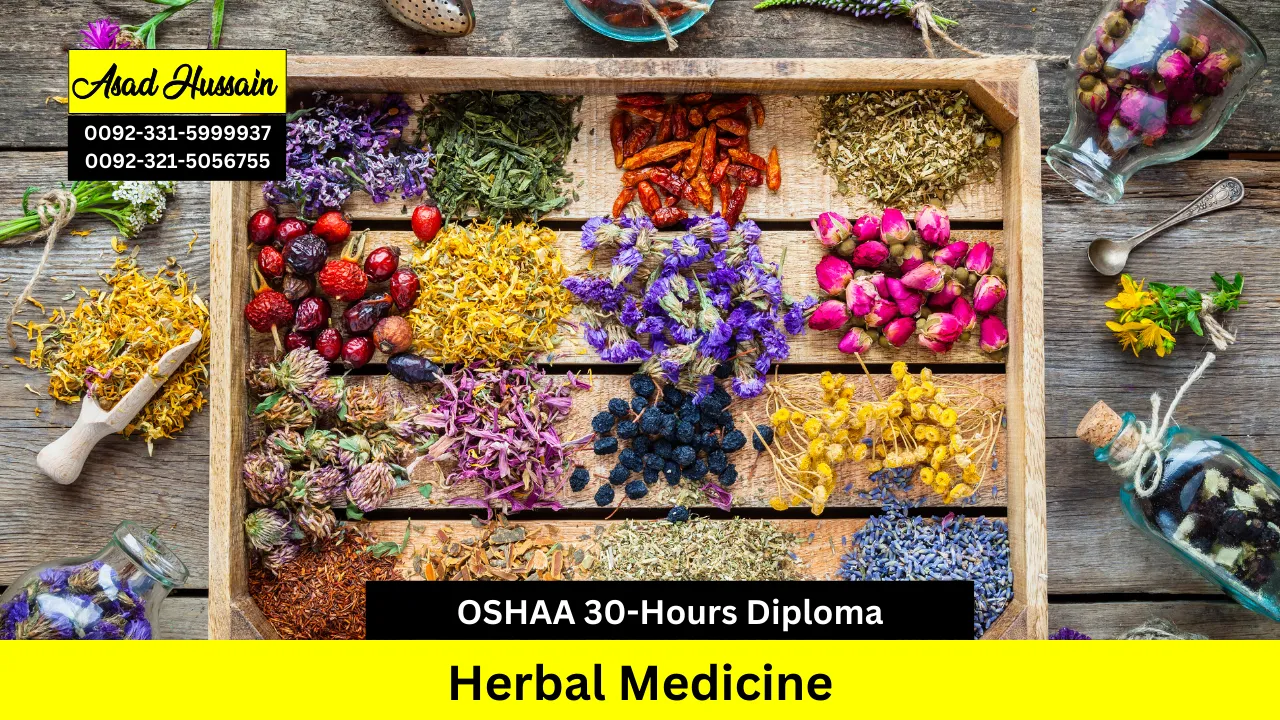
Unlock the Power of Herbs with Diploma in Herbal Medicine
The OSHAA 30-Hours Professional Diploma in Herbal Medicine is a detailed program designed to provide learners with an in-depth understanding of herbal healing, plant-based remedies, and natural wellness practices. The course covers the identification, properties, and therapeutic applications of medicinal herbs, along with safe preparation methods for teas, oils, tinctures, and poultices. Learners explore the history of herbal medicine, traditional healing systems, and modern applications in supporting health and wellbeing. While the course is not Ofqual regulated, it is structured to meet professional standards and provide practical, industry-relevant knowledge.
Participants will develop practical skills in assessing the properties and uses of various herbs, understanding their effects on the body, and integrating them into wellness routines. The course emphasizes safety, dosage, and the selection of herbs for specific health concerns. Learners also explore plant-based nutrition, natural remedies for common ailments, and approaches for preventive care. By the end of the program, participants will be able to apply herbal medicine principles in personal, professional, or wellness contexts with confidence.
OSHAA 30-Hours Professional Diploma in Herbal Medicine is ideal for wellness practitioners, alternative therapy professionals, and individuals passionate about natural healing. The course equips learners to identify medicinal plants, create herbal formulations, and design wellness plans that support holistic health. Participants gain the knowledge and skills to enhance their professional practice or personal wellness, and the diploma complements further certifications and diplomas in herbal therapy, natural remedies, and holistic health fields.
Program Highlights
Study Units
- Introduction to Herbal Medicine and Botanical Traditions (3 hours)
- Plant Identification and Herbal Classification (5 hours)
- Phytochemistry and Active Constituents of Medicinal Plants (5 hours)
- Herbal Pharmacology and Mechanisms of Action (4 hours)
- Preparation of Herbal Remedies: Tinctures, Teas, and Topicals (3 hours)
- Safe Use of Herbs: Dosage, Interactions, and Contraindications (4 hours)
- Herbal Approaches to Common Health Conditions (3 hours)
- Sourcing, Harvesting, and Storing Medicinal Herbs (3 hours)
The OSHAA 30-Hours Professional Diploma in Herbal Medicine is designed for learners who wish to develop practical skills and knowledge in herbal healing, plant-based remedies, and holistic wellness. The entry requirements ensure participants are ready to engage with the course content effectively and apply learning in real-life contexts.
- Age Requirement: Learners should be at least 18 years old to ensure readiness for independent study and professional application.
- Educational Background: A minimum of secondary education is recommended. Individuals with related diplomas or certificates in herbal medicine, natural therapy, wellness, nutrition, or alternative health practices will find prior knowledge beneficial.
- Language Proficiency: Learners should have a good command of English, as all course materials, instructions, and assessments are delivered in English.
- Work Experience: No previous professional experience is required, though prior exposure to wellness, herbal remedies, or holistic health may enhance understanding and practical application.
This course is suitable for wellness coaches, healthcare professionals, and health enthusiasts who wish to integrate herbal medicine into personal or professional practice. It equips learners with practical knowledge and foundational skills, supporting progression toward additional certifications and diplomas in herbal therapy, natural remedies, and holistic health.
Learning Outcomes
Introduction to Herbal Medicine and Botanical Traditions (3 Hours)
- Understand the historical and cultural foundations of herbal medicine across civilisations
- Recognise the role of traditional knowledge in modern herbal practices
- Explain the core principles that guide herbal medicine systems
- Identify the significance of herbs in preventive and therapeutic healthcare
Plant Identification and Herbal Classification (5 Hours)
- Accurately identify common medicinal plants using botanical features
- Classify herbs based on their botanical families and therapeutic actions
- Use field guides and reference materials for correct herb recognition
- Understand the ecological and seasonal factors influencing herb availability
Phytochemistry and Active Constituents of Medicinal Plants (5 Hours)
- Identify key chemical constituents such as alkaloids, flavonoids, and glycosides
- Understand how active compounds contribute to therapeutic effects
- Analyse how preparation methods impact phytochemical potency
- Explain basic extraction principles used in herbal medicine
Herbal Pharmacology and Mechanisms of Action (4 Hours)
- Describe how herbs interact with the body’s physiological systems
- Understand absorption, metabolism, and excretion of herbal compounds
- Discuss the role of herbal medicine in modulating immune, digestive, and nervous functions
- Apply pharmacological concepts to evaluate herbal effectiveness
Preparation of Herbal Remedies: Tinctures, Teas, and Topicals (3 Hours)
- Demonstrate practical skills in preparing various herbal formulations
- Follow correct methods for making tinctures, infusions, decoctions, and salves
- Understand factors affecting shelf life and stability of remedies
- Apply hygiene and safety protocols during preparation
Safe Use of Herbs: Dosage, Interactions, and Contraindications (4 Hours)
- Determine safe and effective dosages for different populations
- Identify potential herb-drug interactions and contraindications
- Recognise risks associated with misuse or overuse of herbal products
- Evaluate individual health profiles before recommending herbs
Herbal Approaches to Common Health Conditions (3 Hours)
- Match specific herbs to common ailments such as colds, digestive issues, and stress
- Understand herbal support for chronic conditions within a holistic framework
- Apply symptom-based selection of herbs using case examples
- Integrate multiple herbs in supportive blends based on therapeutic goals
Sourcing, Harvesting, and Storing Medicinal Herbs (3 Hours)
- Identify sustainable and ethical harvesting practices
- Understand optimal conditions for harvesting and drying herbs
- Apply correct methods for storing herbs to preserve quality and potency
- Evaluate commercial and wildcrafted sources for safety and authenticity
Target Audience
This course is ideal for individuals who want to gain expert knowledge in herbal medicine, natural healing, and holistic wellness. It is designed for learners looking to apply plant-based therapies safely in personal, professional, or community settings.
Wellness Practitioners and Health Coaches
- Professionals guiding clients in holistic health and lifestyle management
- Wellness coaches incorporating herbal remedies into personalized programs
- Practitioners designing natural health and nutrition plans
- Individuals advising on stress management, detoxification, and rejuvenation
- Professionals aiming to expand services with evidence-based herbal solutions
Healthcare and Alternative Medicine Professionals
- Nurses, physiotherapists, and allied health workers seeking herbal knowledge
- Practitioners of complementary therapies looking to broaden skill sets
- Herbalists and natural health advisors integrating therapeutic plants
- Individuals managing wellness clinics or health centers
- Professionals exploring preventive and personalized healthcare approaches
Students and Graduates in Health or Life Sciences
- Students of nutrition, health sciences, or alternative medicine
- Graduates seeking practical application of herbal principles
- Learners preparing for careers in wellness, lifestyle management, or holistic therapy
- Individuals interested in mind-body balance and natural remedies
- Students aiming to enhance employability in wellness and healthcare sectors
Fitness and Lifestyle Enthusiasts
- Individuals wanting to optimize personal health using herbs
- People interested in natural approaches to energy, recovery, and immunity
- Learners seeking to improve mental and emotional wellbeing naturally
- Fitness enthusiasts incorporating herbal nutrition and recovery strategies
- Individuals looking for holistic approaches to support everyday health
Community Health and Wellness Advocates
- Volunteers and professionals promoting natural health education in communities
- Individuals aiming to empower others through lifestyle and herbal guidance
- Advocates designing wellness workshops or community-based programs
- Professionals supporting mental, emotional, and physical health in local populations
- Those interested in promoting preventive health and sustainable wellness practices
Lifelong Learners and Health Enthusiasts
- Individuals passionate about natural and plant-based medicine
- Learners seeking to improve personal wellness and family health practices
- People exploring ways to balance mind, body, and spirit naturally
- Individuals looking for practical tools in herbal preparations and remedies
- Health enthusiasts aiming to enhance understanding of holistic living
This course equips learners with practical skills, in-depth knowledge of medicinal plants, and the confidence to apply herbal medicine safely for personal, professional, and community wellness.