Master Chemical Spill Response: Professional Diploma
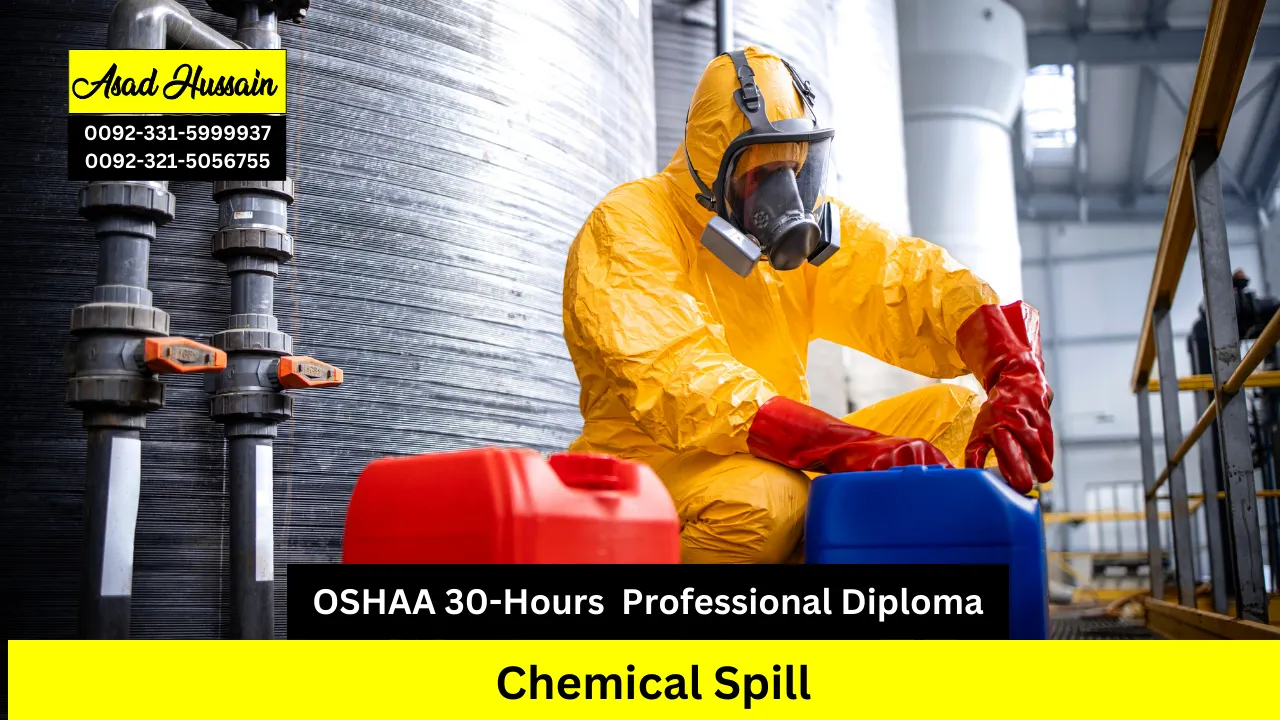
Chemical spills pose significant risks to health, safety, and the environment, requiring rapid assessment and decisive action. The OSHAA 30-Hours Professional Diploma in Chemical Spill provides learners with comprehensive knowledge of spill identification, containment procedures, and decontamination protocols. This programme explores the properties of hazardous substances, the principles of risk assessment, and the regulatory framework governing chemical safety in workplaces and public environments.
Participants will delve into practical response strategies including the selection and use of personal protective equipment, spill kit deployment, and emergency communication procedures. The curriculum covers classification of hazardous materials, understanding safety data sheets, and implementing effective clean-up operations that minimise harm to people and the environment. Learners will also gain insight into waste disposal regulations and post-incident reporting requirements essential for regulatory compliance and organisational learning.
Building upon this foundation, the OSHAA 30-Hours Professional Diploma in Chemical Spill concludes with an assessment that validates your expertise in chemical spill management and emergency response. Upon successful completion, you will be prepared to pursue further certifications and diplomas to deepen your knowledge in areas such as hazardous waste management, environmental protection, or advanced health and safety practice. This course represents a meaningful step in your professional journey, positioning you as a competent responder capable of protecting people and the environment from chemical incidents.
Program Highlights
Study Units
- Introduction to Chemical Spill Safety and Regulatory Framework (3 Hours)
- Classification, Labelling, and Identification of Hazardous Chemicals (3 Hours)
- Risk Assessment and Hazard Recognition Techniques (5 Hours)
- Chemical Spill Prevention Strategies and Control Measures (3 Hours)
- Emergency Response Planning and Incident Command System (4 Hours)
- Personal Protective Equipment (PPE) and Safety Equipment Usage (5 Hours)
- Spill Containment, Neutralisation, and Clean-Up Procedures (4 Hours)
- Decontamination Techniques and Waste Disposal Protocols (3 Hours)
Entry Requirements
The OSHAA 30-Hours Professional Diploma in Chemical Spill is designed for individuals responsible for or interested in workplace safety, emergency response, and hazardous material management.
- Age Requirements: Candidates must be at least 18 years of age to enroll. This course deals with hazardous materials and emergency response procedures where maturity and sound judgment are essential for applying the knowledge appropriately.
- Educational Background: Applicants should possess basic literacy and numeracy skills. While no prior health and safety qualifications are mandatory, a foundational understanding of workplace safety principles is beneficial.
- Language Proficiency: The course is delivered in English, requiring learners to have a working knowledge of the language. Non-native speakers should typically demonstrate competency equivalent to IELTS 5.5 or possess sufficient reading, writing, and comprehension skills to understand technical terminology related to chemical properties, safety data sheets, and emergency response protocols.
- Work Experience: No prior work experience in chemical handling or emergency response is required to enroll. The course is designed as an entry-level programme, making it suitable for those new to the field as well as existing safety officers, laboratory technicians, warehouse staff, facilities managers, or environmental health practitioners seeking to formalise their spill response knowledge.
Learning Outcomes
Introduction to Chemical Spill Safety and Regulatory Framework (3 Hours)
- Understand the fundamental principles of chemical spill safety in industrial settings
- Recognise the importance of regulatory compliance in hazardous material management
- Identify key international and local regulations governing chemical spill control
- Explain the roles and responsibilities of personnel during spill incidents
Classification, Labelling, and Identification of Hazardous Chemicals (3 Hours)
- Identify various classes of hazardous chemicals and their associated risks
- Interpret chemical labels and safety data sheets (SDS) accurately
- Apply Globally Harmonised System (GHS) standards for chemical classification and labelling
- Distinguish between physical, health, and environmental hazards
Risk Assessment and Hazard Recognition Techniques (5 Hours)
- Conduct effective chemical risk assessments in workplace environments
- Identify potential spill sources and assess levels of risk
- Use hazard recognition tools and techniques to evaluate exposure scenarios
- Develop risk mitigation plans tailored to specific chemical threats
Chemical Spill Prevention Strategies and Control Measures (3 Hours)
- Understand the principles of proactive spill prevention
- Implement workplace practices that minimise the risk of chemical spills
- Identify engineering and administrative controls for hazardous substances
- Monitor and evaluate the effectiveness of control measures
Emergency Response Planning and Incident Command System (4 Hours)
- Develop comprehensive emergency response plans for chemical spills
- Understand the structure and function of an incident command system (ICS)
- Assign roles and responsibilities in a spill response team
- Coordinate with external agencies and emergency responders
Personal Protective Equipment (PPE) and Safety Equipment Usage (5 Hours)
- Identify appropriate PPE for various types of chemical exposures
- Demonstrate the correct use, maintenance, and limitations of PPE
- Evaluate the suitability of PPE based on risk and chemical type
- Ensure compliance with PPE standards and regulations
Spill Containment, Neutralisation, and Clean-Up Procedures (4 Hours)
- Apply techniques to contain chemical spills safely and effectively
- Select appropriate absorbents and neutralising agents
- Follow standard procedures for cleaning up different chemical types
- Document spill response actions for reporting and compliance
Decontamination Techniques and Waste Disposal Protocols (3 Hours)
- Execute effective decontamination processes for affected personnel and equipment
- Handle and dispose of chemical waste in compliance with environmental standards
- Prevent secondary contamination during the clean-up process
- Maintain records and reports of decontamination and disposal activities
Target Audience
The OSHAA 30-Hours Professional Diploma in Chemical Spill is designed for individuals who are responsible for or interested in workplace safety, hazardous material management, and emergency response.
Health and Safety Officers and Practitioners
Professionals responsible for workplace safety will gain specialised knowledge in chemical spill management and regulatory compliance.
- Develop comprehensive understanding of chemical spill regulations and legal frameworks
- Learn to conduct thorough risk assessments for hazardous substance storage and use
- Master spill prevention strategies and engineering control measures
- Understand incident command systems and emergency response coordination
- Enhance ability to develop and implement spill response plans
- Strengthen organisational compliance with health and safety legislation
Laboratory Technicians and Scientific Staff
Those working in research, educational, or industrial laboratories will learn to manage chemical incidents safely and effectively.
- Understand proper classification and labelling of laboratory chemicals
- Learn to interpret safety data sheets for informed handling decisions
- Master appropriate PPE selection for various laboratory chemical exposures
- Develop skills in spill containment and neutralisation techniques
- Implement proper waste disposal protocols for laboratory settings
- Protect colleagues and research integrity through effective spill response
Warehouse and Logistics Personnel
Staff responsible for storing and transporting hazardous materials will enhance their ability to prevent and respond to spills.
- Identify hazards associated with storing different classes of chemicals
- Learn proper segregation and storage techniques to prevent incidents
- Understand emergency procedures for spills during handling and transport
- Master the use of spill kits and containment equipment in warehouse environments
- Develop skills in documenting and reporting spill incidents accurately
- Contribute to safer logistics operations and regulatory compliance
Facilities Managers and Maintenance Teams
Those overseeing industrial sites, manufacturing plants, or large facilities will gain essential spill management knowledge.
- Understand the range of chemical hazards present in facility operations
- Learn to assess spill risks across different work areas and processes
- Develop comprehensive emergency response plans tailored to facility needs
- Coordinate spill response training and drills for maintenance teams
- Ensure proper placement and maintenance of spill response equipment
- Maintain compliance with environmental and safety regulations
Environmental Health Practitioners
Professionals focused on environmental protection will deepen their understanding of chemical spill impacts and remediation.
- Understand environmental consequences of chemical spills on soil and water
- Learn proper decontamination techniques to minimise ecological damage
- Master waste disposal protocols that comply with environmental standards
- Develop skills in post-incident reporting and regulatory notification
- Coordinate with environmental agencies during significant spill events
- Protect ecosystems and communities through effective spill management
Emergency Responders and First Aid Team Members
Those designated as workplace first responders will build confidence in handling chemical incidents safely.
- Learn to assess chemical spill scenes quickly and make safe decisions
- Understand proper PPE selection and limitations for emergency response
- Master spill containment techniques to prevent escalation
- Develop skills in coordinating with external emergency services
- Learn decontamination procedures for affected personnel
- Protect themselves and others while responding to hazardous material incidents
Manufacturing and Production Line Supervisors
Team leaders in industrial settings will gain knowledge to protect workers and maintain safe production environments.
- Understand chemical hazards present in manufacturing processes
- Learn to supervise safe handling practices among production staff
- Develop skills in recognising early warning signs of potential spills
- Implement immediate response measures to protect workers during incidents
- Coordinate with safety teams during spill events and investigations
- Foster a culture of safety awareness among production teams
This diploma empowers you to become a competent and confident responder to chemical spill incidents across diverse workplace environments. No matter your current role or industry sector, the specialised knowledge and practical strategies gained will enable you to protect people, property, and the environment from the potentially devastating consequences of chemical spills.