Excel in Speech and Language Support: Professional Diploma
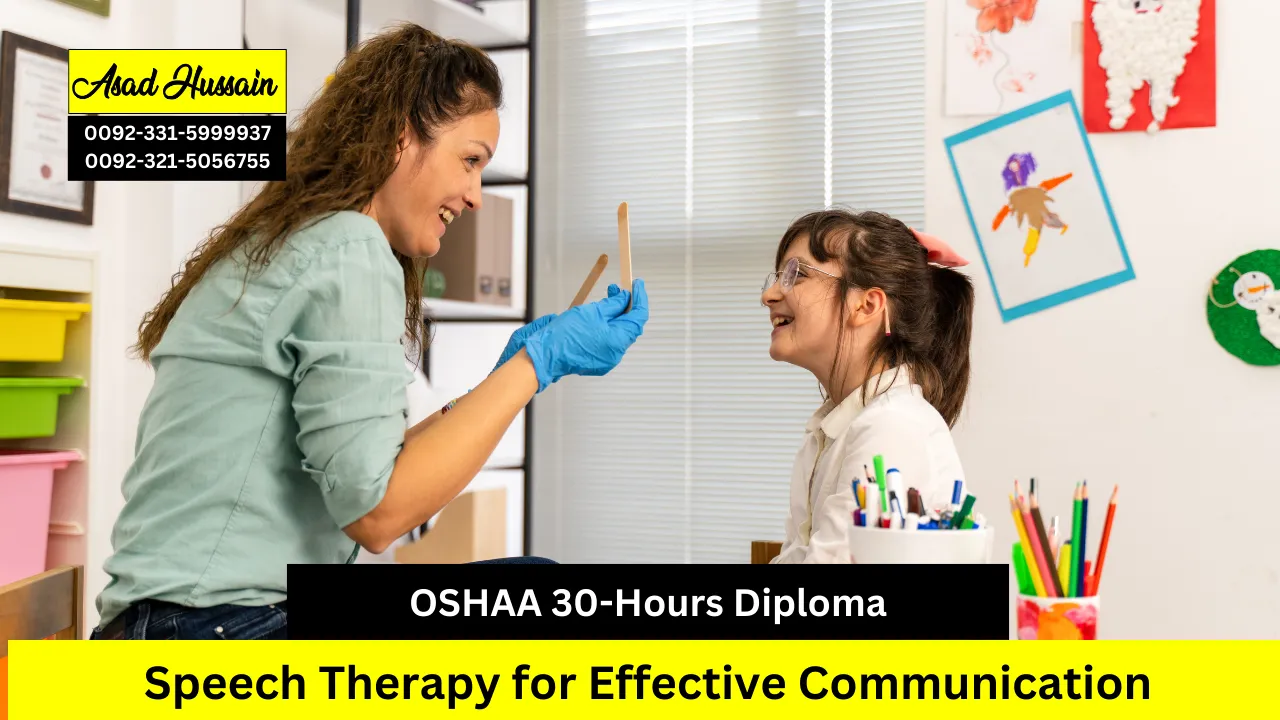
Communication is a fundamental human need, and the ability to express thoughts, feelings, and needs effectively is essential for quality of life. The OSHAA 30-Hours Diploma in Speech Therapy for Effective Communication provides learners with a comprehensive understanding of speech, language, and communication development across the lifespan. This programme explores the theoretical foundations of speech therapy, the anatomy of speech production, and the various factors that can impact an individual’s ability to communicate effectively.
Participants will delve into key topics including speech and language milestones, common communication disorders, and therapeutic techniques used to support individuals with articulation, fluency, and comprehension challenges. The curriculum covers the principles of assessment, the design of personalised intervention strategies, and the importance of creating supportive environments that encourage communication development. Learners will also gain insight into working collaboratively with families, educators, and other professionals to achieve optimal outcomes for those with communication needs.
Building upon this foundation, the OSHAA 30-Hours Diploma in Speech Therapy for Effective Communication concludes with an assessment that validates your understanding of core speech therapy principles and practices. Upon successful completion, you will be prepared to pursue further certifications and diplomas to deepen your knowledge in specialised areas such as paediatric speech therapy, acquired communication disorders, or augmentative and alternative communication. This course represents a meaningful step in your professional journey, positioning you as a knowledgeable supporter of effective communication for diverse populations.
Program Highlights
Study Units
- Introduction to Speech Therapy and Communication Basics (3 Hours)
- Anatomy and Physiology of Speech and Language (3 Hours)
- Speech Development Milestones and Typical Patterns (5 Hours)
- Common Speech Disorders and Articulation Difficulties (4 Hours)
- Language Delays and Language Development Disorders (4 Hours)
- Assessment Techniques in Speech Therapy (5 Hours)
- Therapeutic Approaches and Intervention Strategies (4 Hours)
- Use of Communication Aids and Assistive Technology (2 Hours)
Entry Requirements
To enroll in the OSHAA 30-Hours Diploma in Speech Therapy for Effective Communication, candidates must meet the following minimum entry criteria:
- Age: 16 years or older.
- Education: Basic literacy and numeracy required. Previous qualifications such as a Level 2 Certificate in Supporting Teaching and Learning, a Diploma in Health and Social Care, GCSEs in English Language or Psychology, or a Certificate in Understanding Autism are beneficial but not mandatory.
- Language: Strong competency in English (written and spoken); non-native speakers should have an IELTS 5.5 or equivalent.
- Experience: No prior work experience required; suitable for beginners, teaching assistants, early years practitioners, and support workers.
These criteria ensure you have the foundational skills to succeed. Candidates with relevant experience in education, healthcare, or prior certifications are encouraged to apply.
Learning Outcomes
Introduction to Speech Therapy and Communication Basics (3 Hours)
- Understand the fundamental concepts of speech therapy and communication
- Recognise the importance of effective communication in various contexts
- Identify the roles and responsibilities of speech therapists
Anatomy and Physiology of Speech and Language (3 Hours)
- Describe the key anatomical structures involved in speech and language production
- Explain the physiological processes underlying speech and language functions
- Understand how these systems interact to facilitate communication
Speech Development Milestones and Typical Patterns (5 Hours)
- Identify typical speech and language developmental stages in children
- Recognise normal patterns of speech acquisition
- Distinguish between age-appropriate communication behaviours and potential delays
Common Speech Disorders and Articulation Difficulties (4 Hours)
- Identify different types of speech disorders and their characteristics
- Understand common articulation difficulties and their impact on communication
- Recognise signs and symptoms indicative of speech impairments
Language Delays and Language Development Disorders (4 Hours)
- Understand the various types of language delays and disorders
- Recognise the effects of language development challenges on communication skills
- Differentiate between expressive and receptive language difficulties
Assessment Techniques in Speech Therapy (5 Hours)
- Learn key assessment methods used in speech therapy practice
- Develop skills in observing, recording, and analysing speech and language behaviours
- Understand how to interpret assessment results to inform intervention plans
Therapeutic Approaches and Intervention Strategies (4 Hours)
- Explore evidence-based therapeutic techniques for speech and language disorders
- Understand how to design and implement effective intervention plans
- Develop skills in tailoring therapy to individual client needs
Use of Communication Aids and Assistive Technology (2 Hours)
- Understand different types of communication aids and assistive devices
- Recognise how technology can support individuals with communication challenges
- Learn basic strategies for integrating communication aids into therapy and daily use
Target Audience
The OSHAA 30-Hours Diploma in Speech Therapy for Effective Communication is designed for individuals who are passionate about helping others find their voice and communicate with confidence. Whether you are starting your career in education or healthcare, supporting a loved one, or seeking to enhance your professional skills, this course provides essential knowledge about speech development, communication disorders, and therapeutic approaches that make a lasting difference in people’s lives.
Aspiring Speech Therapy Assistants and Support Workers
Individuals preparing for roles supporting qualified speech therapists will build a strong foundation in communication principles.
- Gain comprehensive understanding of speech and language development stages
- Learn to identify common speech disorders and articulation difficulties
- Understand assessment techniques used in speech therapy practice
- Develop knowledge of evidence-based therapeutic interventions
- Recognise the role of communication aids and assistive technology
- Prepare for entry-level positions in schools, clinics, and community settings
Teaching Assistants and Classroom Support Staff
Those working in educational settings will enhance their ability to support students with speech and language needs.
- Understand typical speech development milestones in children
- Learn to recognise early signs of speech and language delays
- Develop strategies to support communication in inclusive classrooms
- Work effectively with speech therapists to implement intervention plans
- Create communication-friendly environments that encourage language development
- Support children with articulation difficulties during daily activities
Early Years Practitioners and Nursery Staff
Professionals working with young children will gain valuable insights into early communication development.
- Understand speech and language milestones in the early years
- Learn to distinguish between typical variations and potential concerns
- Develop skills in observing and recording communication behaviours
- Implement activities that promote speech and language development
- Support parents with guidance on encouraging communication at home
- Identify when referral to speech therapy services may be appropriate
Parents and Caregivers of Children with Communication Challenges
Families seeking to better understand and support their child’s communication needs will gain practical knowledge.
- Understand the anatomy and physiology of speech production
- Learn about different types of speech disorders and language delays
- Discover strategies to support communication development at home
- Gain confidence in advocating for your child’s therapeutic needs
- Understand how to work collaboratively with speech therapy professionals
- Learn about communication aids that may benefit your child
Support Workers for Adults with Acquired Communication Disorders
Those supporting adults with conditions such as stroke, brain injury, or neurological conditions will enhance their practice.
- Understand how acquired conditions impact speech and language abilities
- Learn about aphasia, dysarthria, and other adult communication disorders
- Develop strategies to support effective communication in daily activities
- Recognise the emotional impact of communication loss on individuals
- Work effectively with speech therapists in rehabilitation settings
- Create supportive environments that promote communication confidence
Volunteers and Community Support Workers
Individuals volunteering in settings where communication support is valued will gain essential knowledge and skills.
- Understand the fundamental principles of effective communication
- Learn to recognise various communication difficulties and their impacts
- Develop patient and supportive communication techniques
- Gain insight into communication aids that may assist those you support
- Build confidence in interacting with individuals with speech challenges
- Enhance your ability to make a positive difference in your community
Healthcare Assistants and Nursing Support Staff
Those working in healthcare settings will better understand the communication needs of patients and service users.
- Recognise how illness and treatment can impact communication abilities
- Learn strategies for effective communication with patients experiencing difficulties
- Understand the role of speech therapy in multidisciplinary healthcare teams
- Develop skills in observing and reporting communication concerns
- Support patients with communication aids during their care
- Enhance patient experience through improved communication awareness
This diploma empowers you to become a confident and knowledgeable supporter of effective communication for people of all ages. Whether you are pursuing a career in speech therapy support, enhancing your current professional role, or seeking to better understand a loved one’s needs, the insights gained will enable you to make a meaningful difference in the lives of those with communication challenges.