Accelerate Clinical Excellence: Professional Diploma in Optometry and Eye Care
Master the essential foundations of vision care with the OSHAA 30-Hour Professional Diploma in Optometry. This specialized program is meticulously designed to provide ophthalmic assistants and healthcare professionals with a deep understanding of ocular anatomy and the mechanics of human vision. Participants will explore critical topics such as refractive error identification, visual acuity testing, and the biological functions of the internal eye structures. By focusing on precise clinical measurements and patient communication, the curriculum ensures that every practitioner builds the professional confidence needed to support optometrists and manage diagnostic equipment effectively. This course serves as a vital resource for sharpening overall ocular expertise.
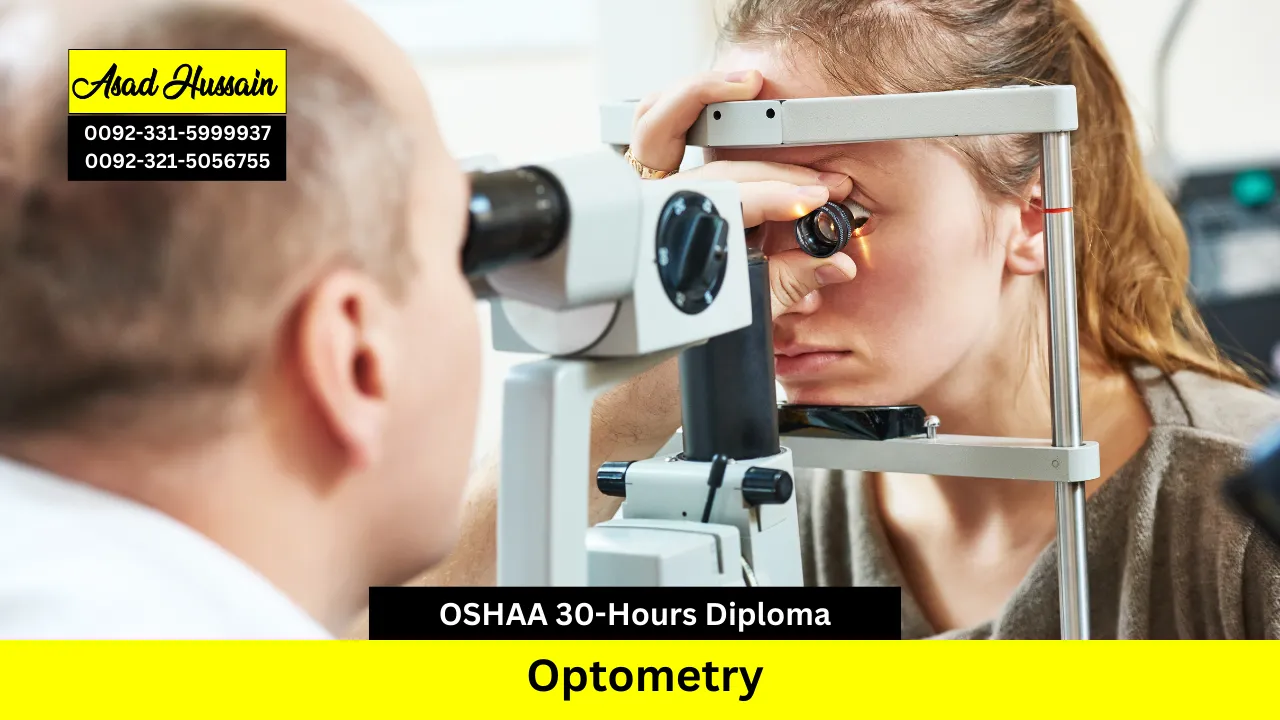
ShutterstockThe curriculum places a heavy emphasis on modern clinical standards and the high-level technical efficiency required in a fast-paced optical environment. Throughout the 30-hour duration, you will examine critical diagnostic protocols and safety measures that protect both the patient and the vision care provider. Detailed modules cover contact lens fundamentals, ocular health screening, and the art of professional frame selection to enhance the overall patient experience. By integrating industry-best practices with modern vision science, the program prepares individuals to meet the rigorous demands of the global optical sector. This training is ideal for those seeking to provide superior care to a wide range of diverse patient populations.
OSHAA 30-Hour Professional Diploma in Optometry serves as a definitive benchmark for professional excellence and technical mastery in the field of primary eye care support. Completion of this program signifies a dedicated commitment to professional development and high-level competency in clinical testing and optical shop management. While this specific training is not regulated by Ofqual, it provides a specialized alternative for those seeking industry-specific recognition through various other further certifications and diplomas. Professionals will exit the program with a refined skill set, ready to implement advanced vision support strategies immediately. This diploma is an essential asset for building a diverse professional portfolio in the modern healthcare landscape.
Program Highlights
Study Units
- Introduction to Eye Anatomy and Physiology (3 hours)
- Common Visual Disorders and Their Diagnosis (4 hours)
- Optometric Eye Examinations and Techniques (4 hours)
- Refraction and Visual Acuity Testing (3 hours)
- Diagnosis and Management of Eye Diseases (4 hours)
- Optical Dispensing and Prescription Lenses (4 hours)
- Contact Lenses: Fitting and Care (5 hours)
- Diagnostic Equipment in Optometry (3 hours)
Entry Requirements
To ensure clinical safety and high-level technical engagement with modern diagnostic technologies, candidates must meet the following baseline criteria:
- Age Requirements: Applicants must be at least 18 years of age to qualify for professional certification and to manage sensitive ophthalmic equipment.
- Educational Background: A secondary school certificate is required. Preference is given to those holding further certifications and diplomas in Ophthalmic Assistance, Optical Dispensing, or Health Support.
- Language Proficiency: Strong English skills (written and verbal) are essential for accurately documenting patient histories and interpreting complex ocular prescriptions.
- Work Experience: Prior experience in an optical retail outlet or eye clinic is highly recommended to provide a practical foundation for the clinical modules.
Adhering to these entry standards ensures a professional environment and prepares graduates to effectively support optometrists in delivering superior eye care.
Learning Outcomes
Introduction to Eye Anatomy and Physiology (3 hours)
- Understand the structure and function of the eye, including the cornea, lens, retina, and optic nerve.
- Gain knowledge of how light is processed and transmitted to the brain for visual perception.
- Recognise the roles of different parts of the eye in the visual process and their relevance to optometric practice.
Common Visual Disorders and Their Diagnosis (4 hours)
- Identify and diagnose common visual disorders such as myopia, hyperopia, astigmatism, and presbyopia.
- Understand the causes, symptoms, and diagnostic methods for these conditions.
- Learn to recognise the signs of visual impairment and implement appropriate diagnostic procedures.
Optometric Eye Examinations and Techniques (4 hours)
- Master various techniques for performing comprehensive eye exams, including visual acuity testing and slit-lamp examination.
- Learn how to assess the health of the eye and its components using optometric tools.
- Understand the procedure for conducting a thorough eye exam and interpreting the results for accurate diagnosis.
Refraction and Visual Acuity Testing (3 hours)
- Gain expertise in performing refraction tests to determine the correct prescription for glasses or contact lenses.
- Learn to measure visual acuity and interpret the results to identify the degree of vision impairment.
- Understand the importance of accurate refraction and how to adjust prescriptions based on individual patient needs.
Diagnosis and Management of Eye Diseases (4 hours)
- Identify common eye diseases such as glaucoma, cataracts, and macular degeneration, along with their symptoms and diagnostic criteria.
- Learn how to manage and monitor these conditions through appropriate treatment options and referrals to specialists when necessary.
- Understand the role of optometry in the early detection and management of eye diseases.
Optical Dispensing and Prescription Lenses (4 hours)
- Understand the process of dispensing optical prescriptions, including selecting frames, lenses, and coatings that suit the patient’s needs.
- Gain knowledge of different types of lenses and their suitability for various vision conditions.
- Learn how to educate patients on lens care, proper fitting, and maintenance of eyewear.
Contact Lenses: Fitting and Care (5 hours)
- Master the fitting process for contact lenses, including the selection of the right type based on patient needs.
- Understand the care, maintenance, and hygiene requirements for contact lenses to ensure patient safety and comfort.
- Learn how to troubleshoot common issues associated with contact lenses, such as dryness or discomfort.
Diagnostic Equipment in Optometry (3 hours)
- Gain familiarity with key diagnostic equipment used in optometry, including autorefractors, slit lamps, and fundus cameras.
- Learn how to properly operate and interpret the results from various diagnostic tools.
- Understand the role of these tools in diagnosing eye conditions and guiding treatment decisions.
Target Audience
This professional training program is designed for a diverse range of healthcare support staff and retail optical professionals who aim to deepen their clinical understanding of vision care. It is particularly suited for those seeking to enhance their technical competencies and align their diagnostic support with modern international standards.
Ophthalmic Assistants and Technicians
- Clinical staff looking to build a strong theoretical foundation in ocular anatomy and physiology.
- Technicians who have completed further certifications and diplomas in basic patient screening.
- Candidates transitioning into specialized roles within surgical centers or advanced clinics.
- Practitioners who require a comprehensive overview of visual field testing and retinal imaging.
- Professionals aiming to master high-level technical skills in using slit lamps and autorefractors.
Optical Dispensers and Retail Staff
- Retail consultants seeking to improve their efficiency in interpreting complex prescriptions.
- Staff members who need to design individualized lens solutions based on specific refractive errors.
- Team members responsible for maintaining rigorous standards in frame fitting and lens measurements.
- Professionals focused on enhancing the patient experience through expert lens material selection.
- Individuals looking to validate their expertise in progressive lens fitting and troubleshooting.
Contact Lens Assistants
- Support staff wanting to better understand the clinical parameters of contact lens materials.
- Assistants responsible for implementing evidence-based hygiene and lens care protocols.
- Staff members who need to communicate technical care instructions to first-time lens wearers.
- Professionals focused on improving patient safety and comfort through proper fitting support.
- Individuals looking to add specialized contact lens knowledge to their clinical support portfolio.
Healthcare Support Workers and Nurses
- General practitioners’ staff tasked with performing basic vision screenings and acuity tests.
- Supervisors responsible for overseeing eye care protocols in geriatric or community settings.
- Medical staff conducting initial assessments for common conditions like cataracts or glaucoma.
- Compliance officers ensuring the optical facility meets all health and safety guidelines.
- Professionals dedicated to optimizing the early detection of ocular diseases in diverse populations.
Optical Lab Technicians
- Lab staff seeking to align lens surfacing and glazing processes with clinical expectations.
- Technicians moving into high-level manufacturing roles that require specific 30-hour credentials.
- Professionals looking to build a portfolio of specialized further certifications and diplomas.
- Candidates who need to demonstrate proficiency in English-language optical terminology.
- Specialists wanting to stay competitive by mastering the science of advanced lens coatings.
Pharmacy and Community Health Staff
- Pharmacists looking to transition their support skills into specialized eye care or optical retail.
- Health educators needing to understand the science of vision for community outreach programs.
- Advocates focused on developing evidence-based strategies for preventing avoidable blindness.
- Individuals seeking to master the principles of ocular health to better support underserved groups.
- Creative facilitators wanting to learn modern patient engagement techniques for vision care.