Boost Productivity and Wellbeing with the Diploma in Stress and Anxiety Management
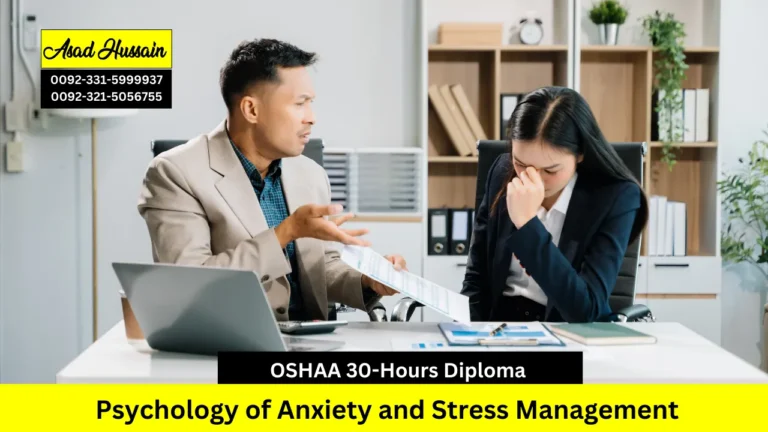
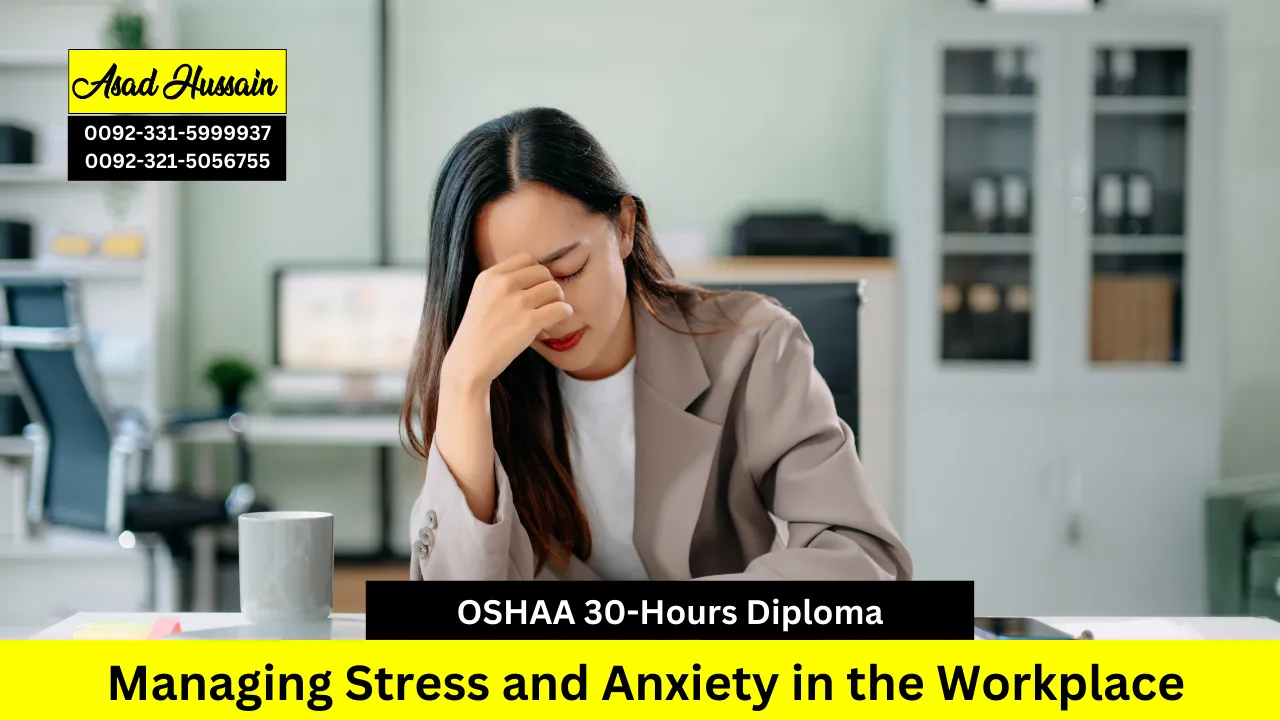
The OSHAA 30-Hours Diploma in Managing Stress and Anxiety in the Workplace is a comprehensive course designed to equip learners with practical knowledge and strategies to handle stress and anxiety in professional environments. It explores the causes, triggers, and impact of workplace stress on individual performance and organisational productivity. Learners will gain an understanding of psychological and physiological responses to stress, enabling them to identify early signs of anxiety and implement timely interventions to maintain mental wellbeing.
The course covers a wide range of tools and techniques to promote resilience, emotional regulation, and effective stress management. Participants will learn how to design supportive workplace environments, improve communication, and foster employee engagement while reducing burnout. The programme also examines organisational policies, work-life balance, and proactive strategies to create a healthier, more productive workforce. Through case studies and practical examples, learners can apply these principles to real-world professional settings.
OSHAA 30-Hours Diploma in Managing Stress and Anxiety in the Workplace provides learners with a professional-level understanding of stress and anxiety management within organisations. It is ideal for managers, team leaders, HR professionals, wellness coaches, and individuals interested in promoting workplace mental health. Upon completion, learners will receive a recognised diploma that complements other professional certifications and diplomas in human resources, occupational health, or mental wellbeing, enhancing both applied skills and career credibility.
Study Units
- Understanding Workplace Stress and Anxiety: Causes and Consequences (3 hours)
- The Science of Stress: Psychological and Physiological Perspectives (3 hours)
- Identifying Stressors and Anxiety Triggers in the Work Environment (6 hours)
- Early Detection and Recognition of Symptoms (3 hours)
- Practical Stress Management Techniques and Coping Strategies (4 hours)
- Building Personal Resilience and Emotional Regulation Skills (5 hours)
- Leadership’s Role in Supporting Mental Wellbeing (3 hours)
- Developing a Culture of Psychological Safety and Openness (3 hours)
Entry Requirements
The OSHAA 30-Hours Diploma in Managing Stress and Anxiety in the Workplace is designed to be accessible to learners while ensuring they can engage effectively with the course content. Recommended entry requirements include:
- Age Requirement: Learners should be at least 18 years old to enrol and actively participate in the course.
- Educational Background: A basic level of education is required. Learners with related diplomas or certificates in psychology, counselling, human resources, occupational health, mental wellbeing, or business management will find it easier to grasp the course concepts.
- Language Proficiency: The course is delivered in English, so learners should have sufficient reading, comprehension, and communication skills to interact effectively with course materials and assessments.
While prior work experience in management, human resources, counselling, or workplace wellness is advantageous, it is not mandatory. These requirements ensure learners can successfully acquire and apply knowledge of stress and anxiety management to enhance personal skills, support teams, and improve workplace mental health.
Learning Outcomes
Understanding Workplace Stress and Anxiety: Causes and Consequences (3 Hours)
- Define the key concepts of stress and anxiety within a workplace context
- Identify common causes of work-related stress and its organisational impact
- Describe the short- and long-term consequences of unmanaged stress on performance and wellbeing
- Recognise the effects of stress on mental, emotional, and physical health
- Analyse how stress influences team dynamics and productivity
The Science of Stress: Psychological and Physiological Perspectives (3 Hours)
- Explain the body’s physiological response to stress, including the fight-or-flight mechanism
- Understand the psychological theories related to stress and anxiety
- Differentiate between healthy stress responses and chronic stress conditions
- Explore the impact of stress hormones on mental and physical health
- Recognise individual differences in stress perception and coping
Identifying Stressors and Anxiety Triggers in the Work Environment (6 Hours)
- Recognise environmental, organisational, and interpersonal stressors in the workplace
- Analyse job roles, workload, communication styles, and leadership behaviours as potential triggers
- Apply techniques for mapping and assessing individual and team stress sources
- Identify factors that increase vulnerability to workplace anxiety
- Develop strategies to proactively reduce or manage stressors
Early Detection and Recognition of Symptoms (3 Hours)
- Identify behavioural, emotional, and physical indicators of stress and anxiety in colleagues
- Understand how chronic stress can develop and escalate if not addressed early
- Learn how to sensitively approach and support individuals showing signs of distress
- Apply techniques to monitor stress levels in yourself and others
- Recognise warning signs of burnout and mental fatigue
Practical Stress Management Techniques and Coping Strategies (4 Hours)
- Practise a range of stress-reduction techniques including mindfulness and time management
- Apply cognitive and behavioural strategies for managing anxiety at work
- Develop a personal stress management plan for professional use
- Explore relaxation techniques such as breathing exercises and meditation
- Learn strategies for maintaining focus and productivity under pressure
Building Personal Resilience and Emotional Regulation Skills (5 Hours)
- Define the components of emotional resilience in professional settings
- Strengthen skills in self-awareness, adaptability, and emotional control
- Explore tools for maintaining mental strength during high-pressure situations
- Apply strategies to recover quickly from setbacks or challenging events
- Enhance decision-making and problem-solving under stress
Leadership’s Role in Supporting Mental Wellbeing (3 Hours)
- Understand the responsibilities of leaders in recognising and addressing workplace stress
- Explore supportive communication techniques and mental health advocacy practices
- Learn how to model emotionally intelligent behaviour for teams
- Implement strategies to support employee wellbeing proactively
- Promote a positive and empathetic workplace culture
Developing a Culture of Psychological Safety and Openness (3 Hours)
- Define psychological safety and its importance in promoting mental wellbeing
- Identify ways to foster open dialogue, trust, and inclusivity in teams
- Create strategies for embedding mental health awareness into organisational culture
- Encourage peer support and collaborative problem-solving
- Develop policies and practices that prioritise mental health in the workplace
Target Audience
The OSHAA 30-Hours Diploma in Managing Stress and Anxiety in the Workplace is designed for individuals and professionals seeking to enhance their understanding of workplace mental health. It is ideal for those aiming to manage stress effectively, support colleagues, and create a positive work environment that prioritises wellbeing and productivity.
Managers and Team Leaders
- Learn to recognise stress and anxiety among team members
- Develop strategies to reduce workplace tension
- Promote a supportive and psychologically safe environment
- Implement practical tools for managing workload and expectations
- Improve team communication and conflict resolution
- Lead by example in emotional regulation and resilience
Human Resources and Workplace Wellness Professionals
- Design and implement mental health programmes and policies
- Monitor employee wellbeing and identify early warning signs
- Support staff with personalised interventions and resources
- Educate teams on coping strategies and stress management techniques
- Collaborate with management to foster a culture of mental wellbeing
- Evaluate the effectiveness of workplace wellness initiatives
Healthcare and Counselling Practitioners
- Apply stress and anxiety management techniques in professional settings
- Support employees experiencing mental health challenges
- Integrate psychological strategies into workplace wellness programmes
- Provide practical guidance on coping strategies and emotional resilience
- Advise organisations on mental health promotion and stress reduction
- Work with teams to improve overall workplace mental health
Educators and Trainers
- Deliver workshops on stress and anxiety management
- Create educational content on mental wellbeing for professional environments
- Train employees and managers on recognising and addressing stress
- Use practical examples and exercises to improve workplace resilience
- Encourage open discussion and awareness of mental health issues
- Develop learning resources that enhance personal and team wellbeing
Students and Learners in Health or Business Fields
- Gain knowledge relevant to human resources, organisational behaviour, or occupational health
- Learn practical stress management and anxiety reduction techniques
- Build professional skills for workplace wellbeing roles
- Understand psychological and physiological aspects of stress
- Prepare for careers that involve employee support and mental health
- Apply evidence-based practices in real-world organisational settings
Individuals Focused on Personal and Professional Growth
- Improve personal stress management and emotional regulation
- Develop resilience for high-pressure professional environments
- Learn to balance work-life demands effectively
- Build confidence in addressing workplace anxiety for self and others
- Apply practical strategies to enhance productivity and wellbeing
- Cultivate healthy coping habits for long-term mental health
This course equips learners with practical skills, strategies, and professional knowledge to manage stress and anxiety effectively, support team wellbeing, and foster a positive and resilient workplace culture.