Master ICU Management with Diploma in Hospital Intensive Care
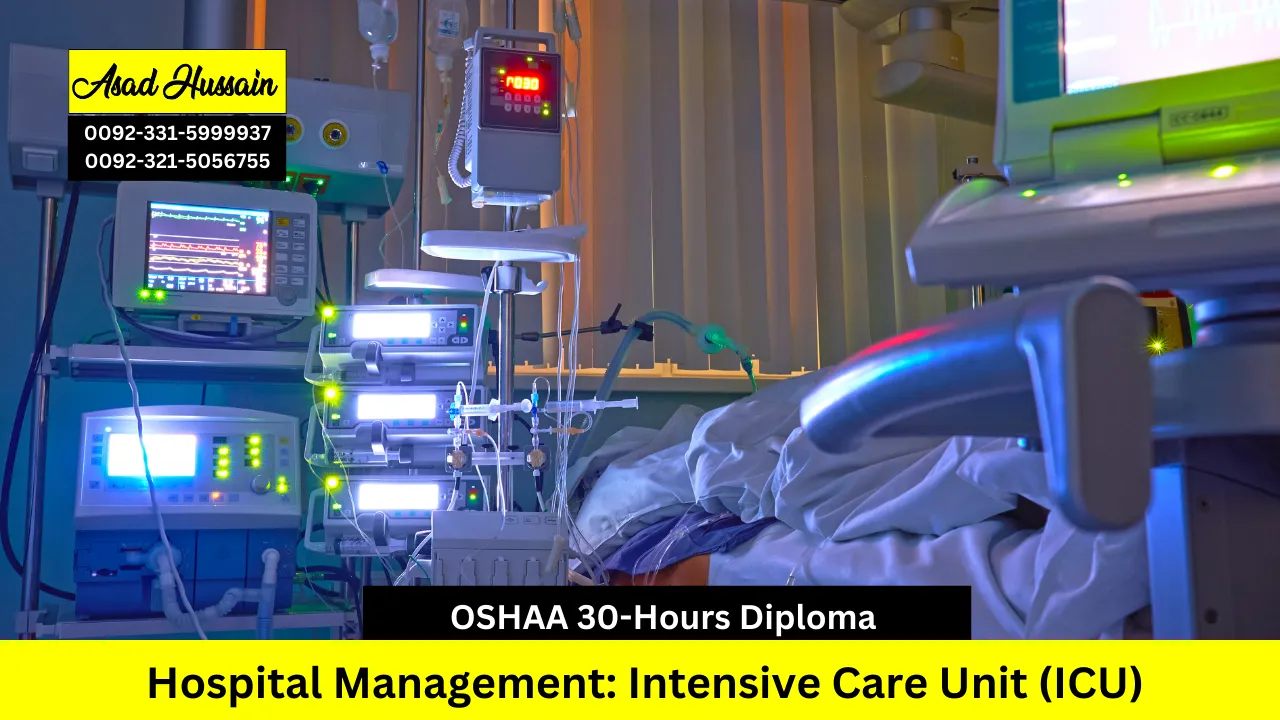
The OSHAA 30-Hours Diploma in Hospital Management: Intensive Care Unit (ICU) is a focused programme designed to provide learners with a comprehensive understanding of hospital management specifically within high-pressure ICU environments. Participants gain insight into operational workflows, patient care protocols, and the administrative responsibilities required for effective ICU management. The course emphasises critical decision-making, risk assessment, and resource allocation while maintaining patient safety and quality care standards. Learners also explore strategies to coordinate multidisciplinary teams, improve communication, and optimise hospital efficiency under intense clinical conditions.
Throughout the programme, learners develop practical skills to manage ICU operations efficiently while understanding the complexities of patient care, equipment handling, and staff coordination. The course covers topics such as infection control, emergency preparedness, patient monitoring systems, and staff scheduling. Participants also learn how to assess performance metrics, implement quality improvement measures, and apply ethical and regulatory considerations in critical care settings. This ensures that learners are prepared to handle both the administrative and clinical aspects of ICU management confidently.
OSHAA 30-Hours Diploma in Hospital Management: Intensive Care Unit (ICU) equips participants with professional knowledge and practical competence to manage ICU operations effectively. As a non-Ofqual regulated programme, it is designed to enhance practical expertise and career readiness in healthcare management. Upon completion, learners may pursue further certifications or diplomas in hospital management, critical care administration, or healthcare leadership, providing opportunities to expand their professional skillset and deliver high-standard patient care in intensive care units.
Program Highlights
Study Units
- Introduction to ICU Management and Critical Care Principles (3 Hours)
- Leadership and Team Coordination in ICU Settings (4 Hours)
- Patient Safety and Quality Assurance in Intensive Care (4 Hours)
- Infection Control and Sterilisation Protocols (6 Hours)
- Resource Management and Equipment Maintenance in ICU (3 Hours)
- Emergency Response and Crisis Management in Critical Care (4 Hours)
- Medical Records and Documentation in ICU (3 Hours)
- Regulatory Compliance and Risk Management in ICU (3 Hours)
Entry Requirements
To enrol in the OSHAA 30-Hours Diploma in Hospital Management: Intensive Care Unit (ICU), learners should meet some basic criteria to ensure they can fully benefit from the course and apply the skills effectively:
- Age Requirement: Participants must be at least 18 years old to ensure maturity and readiness for professional responsibilities in a healthcare environment.
- Educational Background: A minimum of secondary education or equivalent is recommended. Learners with related diplomas or certificates in healthcare, nursing, medical administration, or hospital management will find it easier to understand operational procedures and clinical practices.
- Language Proficiency: Good command of English is required to comprehend course materials, engage in discussions, and complete assignments successfully.
- Work Experience: While prior professional experience in hospital or healthcare settings is not mandatory, it can enhance practical understanding and application of ICU management principles.
Meeting these requirements ensures participants are prepared to develop practical competence, professional confidence, and a strong foundation for managing intensive care units efficiently.
Learning Outcomes
Introduction to ICU Management and Critical Care Principles (3 Hours)
- Understand the fundamental principles of intensive care unit management
- Recognise the critical care environment and its unique operational demands
- Identify key roles and responsibilities within ICU settings
- Describe common challenges faced in managing ICU services
- Develop awareness of operational standards and patient-centred practices
Leadership and Team Coordination in ICU Settings (4 Hours)
- Develop effective leadership skills tailored to ICU environments
- Facilitate teamwork and collaboration among multidisciplinary ICU staff
- Manage conflicts and promote a positive working culture
- Apply decision-making strategies in high-pressure situations
- Encourage staff motivation and accountability
Patient Safety and Quality Assurance in Intensive Care (4 Hours)
- Understand patient safety protocols specific to intensive care units
- Implement quality assurance measures to enhance care standards
- Identify potential risks and errors affecting patient safety
- Promote a culture of continuous improvement in ICU care delivery
- Monitor performance and adherence to care standards
Infection Control and Sterilisation Protocols (6 Hours)
- Explain the principles of infection control in critical care settings
- Apply sterilisation procedures to prevent hospital-acquired infections
- Monitor and evaluate infection prevention practices within the ICU
- Ensure compliance with health and safety standards related to infection control
- Maintain a clean and safe clinical environment
Resource Management and Equipment Maintenance in ICU (3 Hours)
- Manage ICU resources efficiently to support patient care needs
- Oversee the maintenance and proper use of critical care equipment
- Plan for resource allocation during peak demand or emergencies
- Identify cost-effective strategies without compromising quality of care
- Ensure availability and readiness of essential equipment
Emergency Response and Crisis Management in Critical Care (4 Hours)
- Prepare and implement emergency response plans specific to ICU scenarios
- Coordinate crisis management efforts during patient and system emergencies
- Assess risks and manage incidents to minimise harm
- Conduct drills and training to enhance ICU team readiness
- Improve responsiveness and decision-making under pressure
Medical Records and Documentation in ICU (3 Hours)
- Maintain accurate and comprehensive patient records in intensive care settings
- Understand legal and ethical requirements for documentation
- Use documentation to support clinical decisions and communication
- Ensure confidentiality and data security in ICU record-keeping
- Track patient progress and care interventions systematically
Regulatory Compliance and Risk Management in ICU (3 Hours)
- Interpret key regulations governing ICU operations and patient care
- Identify and assess risks specific to critical care environments
- Develop and implement risk mitigation strategies
- Ensure ICU practices comply with national and international healthcare standards
- Monitor adherence to policies and implement corrective measures
Target Audience
The OSHAA 30-Hours Diploma in Hospital Management: Intensive Care Unit (ICU) is designed for healthcare professionals and individuals seeking to develop specialised knowledge and practical skills in managing ICU operations. This course is ideal for those who want to enhance patient care, streamline critical care workflows, and strengthen leadership and management capabilities in high-pressure environments.
ICU Nurses and Healthcare Practitioners
- Enhance clinical and administrative skills in ICU settings
- Learn to coordinate multidisciplinary care teams effectively
- Manage patient care while ensuring safety and quality
- Apply infection control and sterilisation protocols
- Develop emergency response and crisis management strategies
- Improve communication and patient documentation practices
Hospital Administrators and Managers
- Gain expertise in ICU operations and resource allocation
- Develop leadership skills for high-pressure healthcare environments
- Implement quality assurance and risk management measures
- Learn to oversee staff performance and team coordination
- Ensure regulatory compliance in critical care units
- Plan and manage budgets and equipment effectively
Medical and Paramedical Staff
- Understand the principles of intensive care management
- Coordinate care between nurses, doctors, and specialists
- Learn emergency preparedness and critical incident management
- Maintain accurate patient records and clinical documentation
- Monitor compliance with health and safety standards
- Develop strategies for patient-centred care in ICU environments
Students and Learners in Healthcare and Management
- Gain foundational knowledge in ICU management
- Prepare for roles in hospital administration or healthcare leadership
- Understand operational protocols and patient safety measures
- Learn practical techniques for teamwork and conflict resolution
- Explore quality assurance and risk mitigation strategies
- Enhance employability and career prospects in healthcare settings
Individuals Interested in Critical Care Excellence
- Learn how to manage high-pressure ICU scenarios effectively
- Gain skills to support staff and patients in intensive care
- Understand infection prevention, equipment use, and resource management
- Develop personal resilience and leadership in critical care environments
- Learn to implement structured emergency response protocols
- Apply theoretical knowledge in practical ICU situations
Corporate and Healthcare Organisations
- Train staff in ICU operations and critical care management
- Implement policies for patient safety and quality improvement
- Develop in-house expertise in crisis and emergency management
- Promote professional development and team collaboration
- Ensure adherence to regulatory and compliance standards
- Enhance overall hospital efficiency and patient care outcomes
This course equips learners with practical skills, professional knowledge, and confidence to manage ICU operations effectively, ensuring high-quality patient care and efficient critical care management.e, and confidence to manage anxiety and stress effectively, making them capable of supporting mental wellbeing in diverse personal and professional environments.