Unlock the Secrets of the Human Body with Anatomy and Physiology Diploma
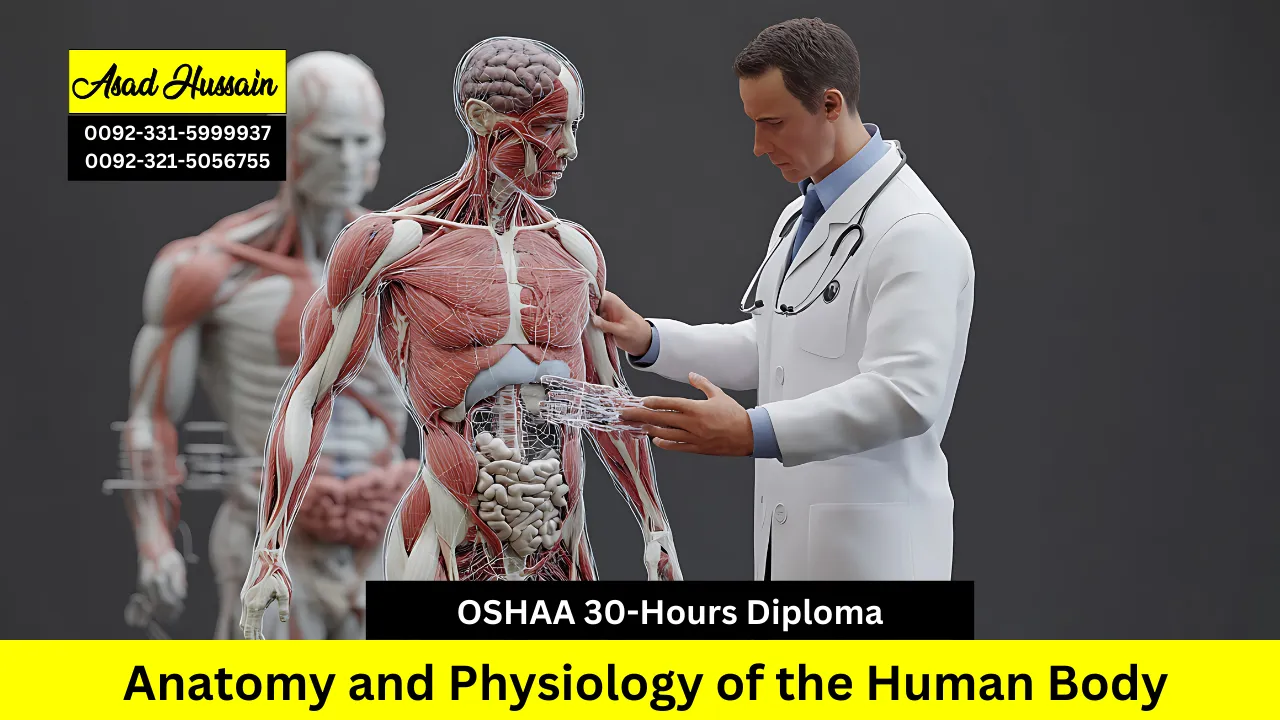
The OSHAA 30-Hours Diploma in Anatomy and Physiology of the Human Body is a comprehensive program designed to provide learners with a detailed understanding of the structure and function of the human body. This course explores major body systems, organs, and tissues, emphasizing how they interact to maintain health and homeostasis. Learners gain foundational knowledge in human anatomy, physiological processes, and the principles that govern bodily functions. While this course is not Ofqual regulated, it is designed to meet professional and industry standards, offering practical insights for learners seeking to apply their knowledge in health, wellness, and fitness environments.
Participants will develop a clear understanding of body system functions, including the musculoskeletal, cardiovascular, respiratory, digestive, and nervous systems. The course emphasizes practical applications of anatomy and physiology in everyday health, exercise, and wellness contexts. Learners will also explore key concepts such as metabolic processes, tissue repair, and physiological responses to activity or stress. Completion of this diploma supports professional development and provides a pathway to pursue further certifications and diplomas in related health, fitness, or holistic wellness disciplines.
OSHAA 30-Hours Diploma in Anatomy and Physiology of the Human Body is ideal for students, healthcare enthusiasts, fitness professionals, and wellness practitioners seeking to strengthen their knowledge of human biology. The course promotes understanding of normal body functions, the impact of lifestyle choices, and how to apply anatomical and physiological knowledge safely in practical settings. Learners completing this program will be equipped with the skills to analyze, explain, and apply body system concepts confidently. This knowledge also supports recognition in professional environments where additional certifications and diplomas in health, wellness, and scientific fields are valued.
Program Highlights
Study Units
- Introduction to Human Anatomy and Anatomical Terminology (3 hours)
- The Skeletal System and Muscular System (4 hours)
- The Cardiovascular System and Circulatory Functions (5 hours)
- The Respiratory System and Gas Exchange Processes (5 hours)
- The Nervous System and Neural Regulation (3 hours)
- The Endocrine System and Hormonal Control (5 hours)
- The Digestive System and Nutrient Absorption (3 hours)
- The Urinary and Excretory Systems (2 hours)
The OSHAA 30-Hours Diploma in Anatomy and Physiology of the Human Body is designed for learners who wish to develop a strong understanding of the human body and its functions. The entry requirements ensure that participants are prepared to engage with both theoretical knowledge and practical applications effectively.
- Age Requirement: Learners should be at least 18 years old to ensure readiness for independent learning and responsible engagement with course content.
- Educational Background: A minimum of secondary education is recommended. Individuals with related diplomas or certificates in health sciences, biology, fitness training, wellness coaching, sports science, or holistic health will find prior knowledge advantageous.
- Language Proficiency: Learners must have a good command of English, as all course materials, assessments, and instructions are delivered in English.
- Work Experience: No prior work experience is required, although experience in healthcare, fitness, wellness, or scientific environments may enhance understanding and practical application of concepts.
This course is suitable for anyone motivated to strengthen their knowledge of human anatomy and physiology, providing a solid foundation for professional growth and supporting progression toward related certifications and diplomas in health, fitness, and wellness sectors.
Learning Outcomes
Introduction to Human Anatomy and Anatomical Terminology (3 Hours)
- Define key anatomical terms used to describe body structures and positions
- Identify the major levels of structural organisation in the human body
- Explain the importance of anatomical terminology in professional communication
- Recognise the basic planes, cavities, and regions of the human body
The Skeletal System and Muscular System (4 Hours)
- Describe the structure and function of bones, joints, and muscles
- Identify major bones and muscle groups in the human body
- Explain the role of the skeletal and muscular systems in movement and posture
- Understand how muscles and bones interact to support body function
The Cardiovascular System and Circulatory Functions (5 Hours)
- Outline the structure and function of the heart, blood vessels, and blood
- Trace the pathway of blood through the systemic and pulmonary circuits
- Explain the physiological principles of circulation and blood pressure regulation
- Discuss common cardiovascular conditions and their impact on body systems
The Respiratory System and Gas Exchange Processes (5 Hours)
- Identify the major anatomical components of the respiratory system
- Explain the mechanics of breathing and gas exchange at the alveolar level
- Understand the regulation of respiration and its integration with circulatory function
- Recognise how respiratory efficiency influences oxygen delivery and carbon dioxide removal
The Nervous System and Neural Regulation (3 Hours)
- Describe the organisation of the central and peripheral nervous systems
- Understand the structure and function of neurons and neural pathways
- Explain how the nervous system regulates bodily functions and responses
- Discuss basic principles of sensory and motor integration
The Endocrine System and Hormonal Control (5 Hours)
- Identify major endocrine glands and the hormones they produce
- Explain the role of hormones in regulating metabolism, growth, and homeostasis
- Understand feedback mechanisms in hormonal control systems
- Recognise the interplay between the endocrine and nervous systems
The Digestive System and Nutrient Absorption (3 Hours)
- Describe the anatomical structure of the digestive tract and accessory organs
- Explain the process of digestion, absorption, and nutrient transport
- Understand the role of enzymes and digestive secretions
- Recognise how nutrition impacts overall body function
The Urinary and Excretory Systems (2 Hours)
- Identify the main structures of the urinary system and their functions
- Explain the process of urine formation and waste elimination
- Understand the role of the kidneys in fluid, electrolyte, and pH balance
- Discuss how the urinary system contributes to homeostasis
Target Audience
This course is designed for individuals who want to gain a thorough understanding of the human body, its systems, and functions, providing practical knowledge applicable in health, wellness, and fitness settings.
Aspiring Healthcare Professionals
- Students planning careers in nursing, physiotherapy, or medicine
- Learners interested in understanding body systems and functions in detail
- Individuals aiming to strengthen foundational knowledge for clinical or health-related roles
- People seeking to develop confidence in interpreting anatomical and physiological concepts
- Learners who want to apply anatomy and physiology knowledge in professional environments
Fitness Trainers and Wellness Coaches
- Personal trainers aiming to enhance exercise planning with anatomical insights
- Wellness coaches seeking to improve understanding of body functions
- Individuals designing safe and effective fitness programs for clients
- Professionals looking to integrate anatomy and physiology into practical training sessions
- Trainers interested in injury prevention and proper body mechanics
Students and Graduates in Life Sciences
- Biology, health sciences, or sports science students seeking practical application
- Graduates wanting to strengthen their understanding of human anatomy and physiology
- Learners preparing for further diplomas or certifications in healthcare, fitness, or wellness
- Individuals interested in connecting theoretical knowledge with real-world practice
- Students aiming to enhance employability in healthcare, fitness, or research roles
Healthcare Support and Allied Professionals
- Medical assistants, physiotherapy aides, or rehabilitation staff seeking detailed anatomy knowledge
- Individuals involved in patient care needing an understanding of body systems
- Learners working in wellness, nutrition, or therapeutic environments
- Professionals aiming to improve communication and accuracy when explaining body functions
- Staff looking to apply anatomy and physiology principles in practical settings
Lifelong Learners and Health Enthusiasts
- Individuals interested in personal health and understanding how the body functions
- People wanting to make informed decisions about lifestyle, fitness, and nutrition
- Learners curious about anatomy, physiology, and human biology
- Health-conscious individuals aiming to apply knowledge for self-care and wellbeing
- Anyone motivated to gain a strong foundation in human body systems
This course provides a structured and comprehensive pathway for learners to build confidence and practical understanding in human anatomy and physiology, supporting professional growth, personal health knowledge, and preparation for related certifications and diplomas