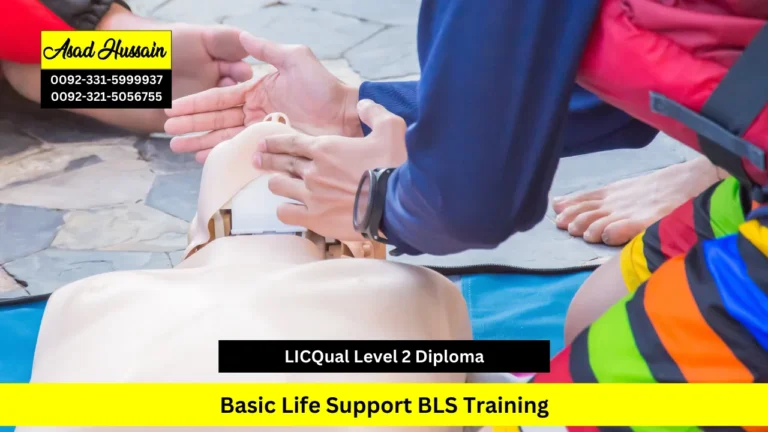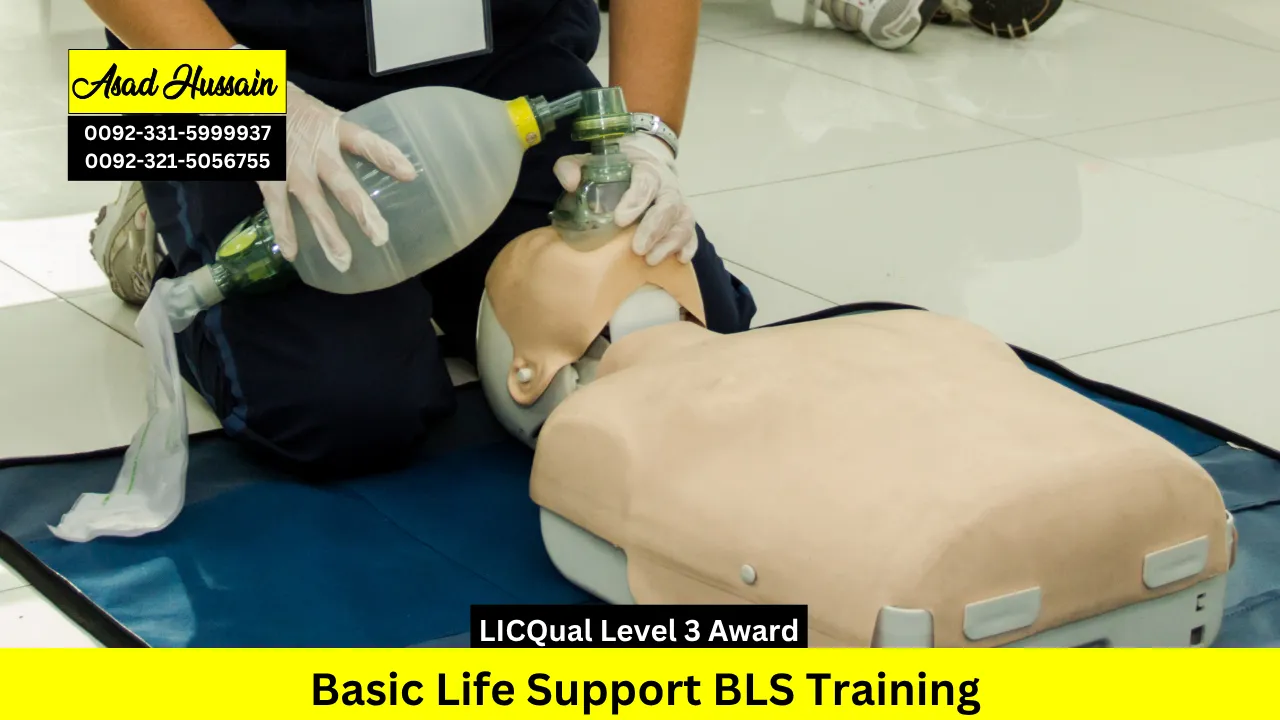
The LICQual Level 3 Award in Basic Life Support (BLS) Training is an internationally recognized qualification designed to provide learners with advanced lifesaving skills and knowledge. Building on foundational emergency response techniques, this award is ideal for healthcare professionals, first responders, educators, and community workers who require a higher level of competence in managing critical situations.
The program covers advanced cardiopulmonary resuscitation (CPR), effective use of automated external defibrillators (AEDs), airway management, and immediate response to life-threatening emergencies. Learners will gain practical, hands-on training to deliver safe and effective interventions, ensuring confidence and readiness in both professional and community settings.
This qualification is particularly suited for healthcare assistants, nurses, teachers, NGO staff, and safety officers who want to strengthen their emergency preparedness. It also serves as a valuable progression for individuals who have completed the Level 2 Award in Basic Life Support and wish to advance their skills further.
Completing the LICQual Level 3 Award in BLS Training enhances employability, builds professional credibility, and ensures compliance with workplace safety standards. Recognized internationally, it empowers learners to contribute meaningfully to patient safety, emergency response, and community health initiatives, making them valuable assets in healthcare and beyond.
Program Highlights
Study Units
To achieve,LICQual Level 3 Award in Basic Life Support BLS Training; Candidates must Complete the 6 Manadatory Units.
- Advanced CPR Techniques for Adults, Children, and Infants
- Advanced Airway Management and Choking
- Using AED in Various Emergency Scenarios
- Recognizing Life-Threatening Conditions
- Managing Severe Bleeding and Shock
- Preparing for Medical Emergencies and First Aid Response
Entry Requirements
- Age Requirements:Applicants must be at least 16 years old.
- Educational Background:No specific formal educational qualifications are required to enrol in this course. However, a basic understanding of healthcare and first aid concepts is advantageous.
- Language Proficiency:Learners should have a basic understanding of the English language to read, understand course materials, follow instructions, and participate in practical assessments.
- Work Experience:Prior experience in healthcare or first aid is not mandatory. However, it is recommended that learners have some familiarity with emergency response procedures or work in environments where emergency situations may occur.
Please ensure all criteria are met to facilitate a smooth admission process into this professional program.
Learning Outcomes
By the end of this course, learners will be able to:
- Advanced CPR Techniques for Adults, Children, and Infants
- Demonstrate advanced CPR techniques tailored to adults, children, and infants, ensuring correct chest compression depth, rate, and rescue breaths.
- Recognize the differences in CPR techniques for adults, children, and infants, and apply appropriate methods in emergency scenarios.
- Assess the effectiveness of CPR and adjust techniques to maximize the chances of successful resuscitation.
- Understand the importance of early and high-quality CPR in improving survival rates in cardiac arrest situations.
- Advanced Airway Management and Choking
- Demonstrate advanced airway management techniques, including the use of airway adjuncts and proper positioning to secure the airway in unconscious casualties.
- Recognize and manage choking in adults, children, and infants using techniques such as abdominal thrusts and back blows.
- Understand the application of advanced airway devices, including oropharyngeal and nasopharyngeal airways, when appropriate.
- Effectively manage airway obstructions and ensure proper oxygenation of the casualty until professional medical help arrives.
- Using AED in Various Emergency Scenarios
- Demonstrate how to correctly use an Automated External Defibrillator (AED) in various emergency situations, including cardiac arrest.
- Understand the indications for using an AED and how to ensure the safety of the casualty and bystanders when delivering a shock.
- Apply the steps of defibrillation, including assessing the victim’s condition, placing AED pads, and delivering shocks when required.
- Recognize how the AED assists in restoring normal heart rhythm and improving the chances of survival in sudden cardiac arrest.
- Recognizing Life-Threatening Conditions
- Identify and recognize the signs and symptoms of life-threatening conditions such as cardiac arrest, severe bleeding, shock, and respiratory failure.
- Understand the critical importance of early recognition and intervention in increasing the survival chances of individuals with life-threatening conditions.
- Demonstrate the ability to assess the severity of a casualty’s condition quickly and prioritize treatment in an emergency.
- Provide appropriate initial care for life-threatening conditions and prepare for advanced medical assistance.
- Managing Severe Bleeding and Shock
- Recognize and respond to severe bleeding by applying techniques such as direct pressure, bandaging, and using tourniquets when necessary.
- Understand the different types of shock (e.g., hypovolemic, cardiogenic, and anaphylactic shock) and the immediate actions required to manage them.
- Demonstrate the correct procedure for controlling severe bleeding and managing a casualty in shock, including elevating the legs and maintaining warmth.
- Apply life-saving interventions to stabilize the casualty’s condition and prepare for the arrival of emergency services.
- Preparing for Medical Emergencies and First Aid Response
- Understand the importance of preparedness for medical emergencies and the steps to take before, during, and after an emergency response.
- Demonstrate how to perform an initial assessment of the casualty and the environment to ensure scene safety.
- Recognize the need for personal protective equipment (PPE) and infection control measures in first aid and emergency situations.
- Develop a plan for coordinating emergency response efforts, including when to call for help and how to manage resources effectively during a crisis.
Target Audience
This diploma is ideal for:
- Healthcare professionals such as doctors, nurses, and paramedics who need to enhance their life-saving skills.
- CFirst aiders in the workplace who are responsible for managing emergencies until professional medical help arrives.
- Emergency services personnel looking to refresh or upgrade their existing skills in basic life support and CPR.
- Caregivers and childcare workers who need advanced training in managing critical emergencies.
- Individuals working in high-risk environments, such as construction, manufacturing, or sports, where medical emergencies may arise.
- People responsible for public safety, such as event organizers or sports coaches, who need to respond to emergencies effectively.
- Anyone interested in enhancing their knowledge and ability to handle life-threatening emergencies, improving workplace or personal emergency response preparedness.