Accelerate Your Culinary Expertise: Professional Skills and Techniques Diploma
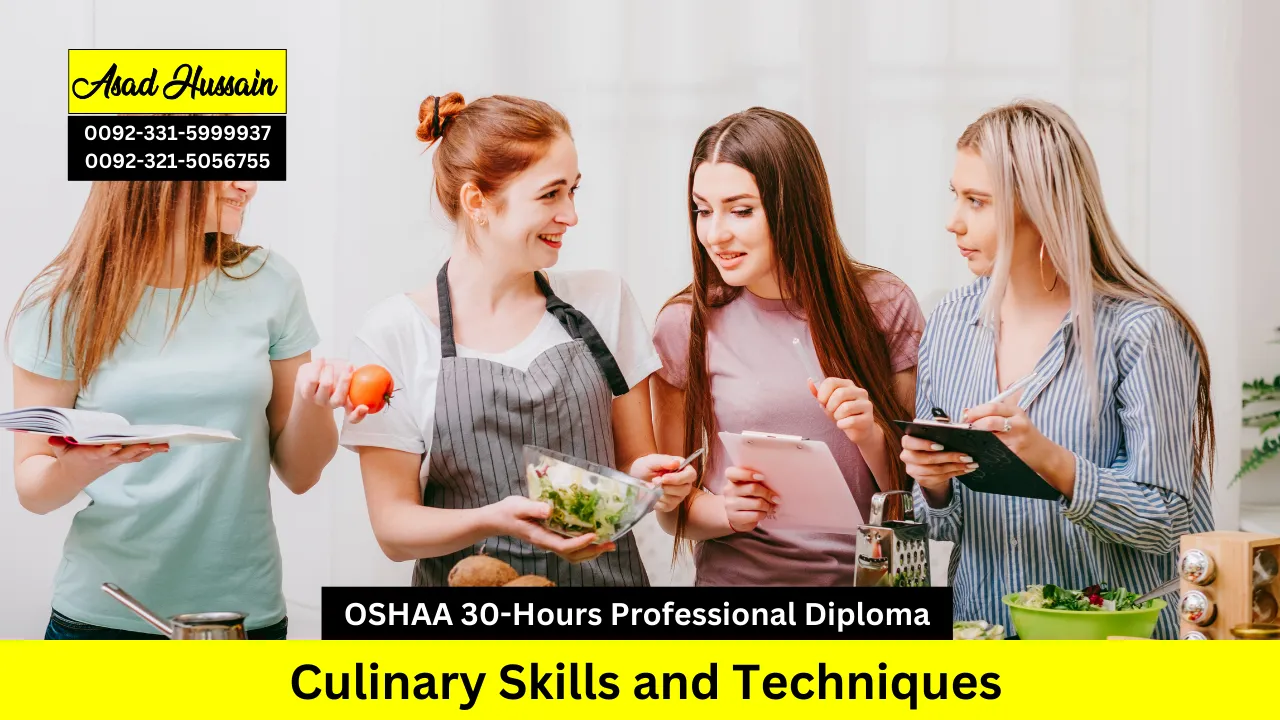
Refine your gastronomic expertise with the OSHAA 30-Hour Professional Diploma in Culinary Skills and Techniques. This comprehensive program is expertly crafted to provide a deep dive into the foundational and advanced methods required in modern commercial kitchens. Participants will explore essential topics such as precision knife skills, classic mother sauces, and diverse cooking methods including sautéing, braising, and sous-vide. By focusing on both technical execution and professional kitchen safety, the curriculum ensures that every student builds the confidence needed to lead culinary teams effectively. This course serves as a vital resource for those looking to sharpen their overall culinary acumen.
The curriculum places a heavy emphasis on international food safety standards and the high-level technical efficiency required in a fast-paced hospitality environment. Throughout the 30-hour duration, you will examine critical sanitation protocols and temperature control measures that protect both the staff and the dining public. Detailed modules cover ingredient selection, advanced flavor profiling, and the art of professional plate presentation to enhance guest experiences. By integrating industry-best practices with modern culinary science, the program prepares individuals to meet the rigorous demands of the global food sector. This training is ideal for those seeking to validate their expertise.
OSHAA 30-Hour Professional Diploma in Culinary Skills and Techniques serves as a definitive benchmark for professional excellence and technical mastery in the professional kitchen. Completion of this program signifies a dedicated commitment to professional development and high-level competency in culinary management and high-volume food production. While this specific training is not regulated by Ofqual, it provides a specialized alternative for those seeking industry-specific recognition through various other further certifications and diplomas. Learners will exit the program with a refined skill set, ready to implement advanced kitchen strategies immediately. This diploma is an essential asset for building a diverse portfolio.
Program Highlights
Study Units
- Introduction to Professional Kitchen Operations (2 hours)
- Knife Skills and Kitchen Safety (5 hours)
- Fundamental Cooking Techniques: Dry and Moist Heat Methods (4 hours)
- Stocks, Sauces, and Soups Preparation (5 hours)
- Baking and Pastry Essentials (4 hours)
- Food Preparation and Ingredient Handling (3 hours)
- Plating and Presentation Techniques (5 hours)
- Nutrition and Balanced Meal Planning (2 hours)
Entry Requirements
To ensure high standards of kitchen safety and professional competence, candidates must meet the following baseline criteria. These requirements ensure participants can successfully handle the technical and physical demands of a commercial environment.
- Age Requirements: Applicants must be at least 18 years of age to comply with safety standards for operating industrial kitchen machinery.
- Educational Background: A secondary school certificate is required, with preference for those holding further certifications and diplomas in Food Safety or Hospitality.
- Language Proficiency: Strong English skills (written and verbal) are necessary for reading standardized recipes and following complex technical instructions.
- Work Experience: Prior experience in food service, catering, or a professional kitchen is recommended but not mandatory for admission.
Adhering to these criteria ensures a productive learning environment and a smooth admission process into this professional culinary program.
Learning Outcomes
Introduction to Professional Kitchen Operations (2 Hours)
- Establish a comprehensive understanding of the workflow and hierarchy within a modern commercial kitchen.
- Identify the key roles and specific responsibilities of the traditional French Brigade system.
- Apply fundamental hygiene, sanitation, and organizational principles essential for high-volume food service.
- Learn the logistics of professional kitchen management to ensure peak operational efficiency.
Knife Skills and Kitchen Safety (5 Hours)
- Demonstrate the safe and effective use of various professional knives, focusing on grip and posture.
- Identify specialized knife types—such as chef, paring, and serrated—and their unique culinary functions.
- Implement rigorous health and safety procedures to prevent workplace accidents and maintain cross-contamination barriers.
- Master standardized vegetable cuts including julienne, brunoise, and paysanne for consistent cooking results.
Fundamental Cooking Techniques: Dry and Moist Heat (4 Hours)
- Apply core dry heat methods, including high-heat roasting, precision grilling, and technical sautéing.
- Execute moist heat techniques such as delicate steaming, controlled boiling, and long-form braising.
- Understand the science of heat transfer and how to select the optimal method based on ingredient density and texture.
- Explore the Maillard reaction and its role in developing deep flavor profiles in professional dishes.
Stocks, Sauces, and Soups Preparation (5 Hours)
- Prepare a variety of essential base stocks (white, brown, and fumet) as the foundation for gourmet cooking.
- Develop the five classic “Mother Sauces” and their modern derivatives with perfect consistency and balance.
- Create a range of clear consommés and thick cream soups using precise seasoning and thickening techniques.
- Learn the reduction and emulsification processes required for professional-grade culinary finishes.
Baking and Pastry Essentials (4 Hours)
- Understand the chemical reactions and scientific principles behind successful leavening and gluten development.
- Prepare foundational baked goods including artisanal breads, delicate sponges, and short-crust pastries.
- Apply extreme precision in measuring, mixing, and temperature control during the baking process.
- Explore the fundamentals of pastry cream and basic dessert components for a well-rounded menu.
Food Preparation and Ingredient Handling (3 Hours)
- Identify professional techniques for the cleaning, fabrication, and safe storage of various raw ingredients.
- Master the concept of “Mise en Place” to ensure all components are prepared and organized before service begins.
- Ensure strict compliance with international food safety regulations during every stage of the preparation cycle.
- Learn to manage inventory and minimize food waste through efficient ingredient utilization.
Plating and Presentation Techniques (5 Hours)
- Demonstrate modern plating styles, focusing on visual composition, negative space, and focal points.
- Balance color, texture, and portion sizes to create aesthetically striking and appetite-stimulating presentations.
- Enhance the visual value of dishes using functional garnishes that complement the overall flavor profile.
- Understand the impact of plate selection and temperature on the final guest experience.
Nutrition and Balanced Meal Planning (2 Hours)
- Understand the basic principles of human nutrition and the diverse dietary needs of modern diners.
- Plan menus that are nutritionally balanced, culturally appropriate, and cater to common allergens.
- Incorporate healthy ingredient substitutions and superfoods without compromising on taste or visual appeal.
- Analyze the caloric and macronutrient balance of professional recipes to meet health-conscious consumer demands.
Target Audience
This professional training program is designed for a diverse range of hospitality workers and aspiring chefs who aim to deepen their understanding of culinary arts. It is particularly suited for those seeking to enhance their technical competencies and align their kitchen skills with modern international standards.
Aspiring Professional Chefs
- Individuals looking to build a strong theoretical foundation in classical cooking techniques.
- Students who have completed further certifications and diplomas in basic food preparation.
- Candidates transitioning from entry-level roles into specialized station chef positions.
- Learners who require a comprehensive overview of kitchen hierarchy and operations.
- Those aiming to master professional knife skills and advanced safety protocols.
Catering and Banquet Staff
- Dedicated staff seeking to improve their efficiency in high-volume food production.
- Event coordinators who need to understand the logistics of large-scale meal planning.
- Team members responsible for maintaining rigorous sanitation in mobile kitchen units.
- Professionals focused on enhancing the visual appeal of buffet and banquet displays.
- Individuals looking to validate their expertise in diverse cooking methods for events.
Restaurant Managers and Supervisors
- Experienced managers wanting to better understand the technical challenges of the kitchen.
- Supervisors responsible for overseeing food safety compliance and health regulations.
- Staff members who need to communicate technical menu details to front-of-house teams.
- Professionals focused on improving kitchen workflow and reducing operational waste.
- Individuals looking to add specialized culinary knowledge to their management portfolio.
Home Cooks and Food Entrepreneurs
- Passionate cooks looking to transition their skills into a commercial food business.
- Small business owners needing to understand professional “Mise en Place” techniques.
- Entrepreneurs focused on developing standardized recipes for consistent food quality.
- Individuals seeking to master the science of baking and pastry for commercial sale.
- Creative cooks wanting to learn modern plating styles for high-end food photography.
Institutional Food Service Workers
- Staff in hospitals or schools tasked with preparing nutritionally balanced meals.
- Supervisors responsible for implementing dietary restrictions and allergen protocols.
- Kitchen workers conducting basic inventory management and ingredient storage.
- Compliance officers ensuring the facility meets all food safety and hygiene guidelines.
- Professionals dedicated to optimizing meal delivery for large and diverse populations.
International Hospitality Practitioners
- Global practitioners seeking to align their skills with recognized culinary benchmarks.
- Hospitality workers moving into regions that require specific 30-hour credentials.
- Professionals looking to build a portfolio of specialized further certifications and diplomas.
- Candidates who need to demonstrate proficiency in English-language culinary terminology.
- Specialists wanting to stay competitive in the rapidly evolving global food market.
By catering to such a wide array of roles, this course ensures that all participants gain the specialized knowledge necessary to contribute effectively to a modern professional kitchen.