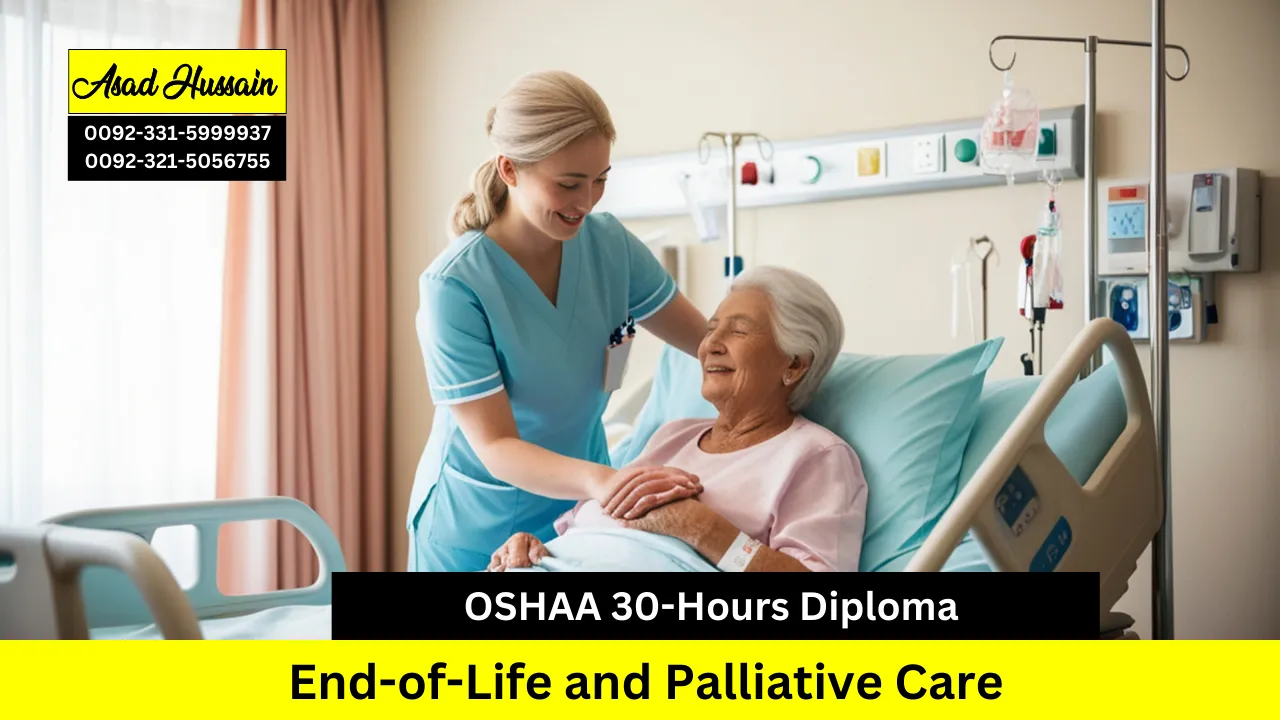
Unlock Advanced Care Skills: End-of-Life Diploma
OSHAA 30-Hours Diploma in End-of-Life and Palliative Care provides a specialized clinical framework designed for healthcare professionals who want to master the complexities of terminal support and pain management without the rigid constraints of traditional academic routes. By focusing on the practical application of symptom control and holistic patient dignity, this course empowers you to lead compassionate care initiatives and manage sensitive treatment plans with absolute precision and professional confidence. It is a focused, non-Ofqual regulated program tailored for those seeking to sharpen their clinical insights and command respect within the modern hospice sector. You will explore advanced methods for emotional support and implementing comfort-focused protocols, ensuring you possess a robust toolkit to solve real-world nursing challenges effectively.
Stepping into this technical training means committing to a journey of professional development and specialized skill acquisition. The syllabus focuses on the strategic management of palliative resources within clinical environments, bridging the gap between everyday nursing duties and the high-level demands of global end-of-life care standards. Throughout the comprehensive modules, you will refine your ability to analyze patient comfort levels, evaluate psychological needs, and provide expert advice that drives both therapeutic and operational success. This is a premier opportunity to distinguish yourself as a knowledgeable practitioner, gaining the specialized insights necessary to protect patient interests and uphold the highest standards of clinical efficiency within your specific medical jurisdiction or palliative department.
OSHAA 30-Hours Diploma in End-of-Life and Palliative Care serves as a powerful catalyst for those aiming to achieve significant professional standing. Upon completion, you will be well-positioned to pursue prestigious industry certifications and specialized diplomas that further validate your expertise in bereavement support and advanced clinical hospice care. By focusing on vocational mastery, this program ensures your credentials remain relevant and highly sought after by top-tier employers in the hospital and private nursing home sectors. You are not just gaining a qualification; you are securing a competitive edge that opens doors to supervisory roles, providing the specialized authority required to lead clinical teams and manage sophisticated care portfolios with unmatched technical precision.
Program Highlights
Study Units
- Introduction to End-of-Life and Palliative Care Principles (3 Hours)
- Understanding Terminal Illness and Disease Progression (4 Hours)
- Symptom Management and Pain Relief Strategies (5 Hours)
- Communication Skills with Patients and Families (4 Hours)
- Psychological and Emotional Support in Palliative Care (3 Hours)
- Spiritual Care and Cultural Sensitivity (5 Hours)
- Legal and Ethical Considerations in End-of-Life Care (3 Hours)
- Care Planning, Advance Directives, and Decision Making (3 Hours)
Entry Requirements
To enroll in the OSHAA 30-Hours Diploma in End-of-Life and Palliative Care, candidates must meet the foundational requirements for specialized medical practice.
- Age & Education: Applicants must be 18+ years old and hold a relevant background, such as a Certificate in Nursing Assistantship or a Diploma in Health and Social Care.
- Language & Experience: A professional command of English is mandatory, along with at least one year of work experience in a hospice, hospital, or residential care setting.
- Professional Standing: Candidates possessing industry certifications in Basic Life Support or vocational diplomas in clinical pharmacy are ideally suited for this technical diploma.
Meeting these entry standards ensures you have the necessary healthcare background to master advanced palliative care techniques and uphold the highest levels of patient dignity.
Learning Outcomes
The OSHAA 30-Hours Diploma in End-of-Life and Palliative Care is structured into eight intensive modules designed to equip healthcare professionals with the clinical mastery and emotional intelligence required to provide world-class terminal support.
Introduction to End-of-Life and Palliative Care Principles
- Master the core philosophy and objectives that define modern palliative and end-of-life care.
- Recognize the critical distinctions between curative treatments and palliative comfort-based approaches.
- Appreciate the importance of holistic, person-centered care that addresses physical and spiritual needs.
- Understand the global standards for quality of life in terminal healthcare settings.
- Evaluate the role of the multi-disciplinary team in delivering seamless palliative support.
Understanding Terminal Illness and Disease Progression
- Identify common terminal illnesses, including advanced cancers and neurodegenerative diseases.
- Understand the typical physical, emotional, and social changes experienced during disease progression.
- Recognize the clinical signs and “red flags” indicating a patient’s transition to the end-of-life stage.
- Analyze how different pathologies impact a patient’s functional ability and cognitive state.
- Develop the skills to predict care requirements based on specific disease trajectories.
Symptom Management and Pain Relief Strategies
- Understand the most common symptoms associated with terminal illness and their impact on patient dignity.
- Learn evidence-based techniques for advanced pain management and the titration of comfort medications.
- Apply both pharmacological and non-pharmacological approaches to maximize patient comfort.
- Monitor the effectiveness of interventions and adjust care plans to prevent breakthrough pain.
- Manage secondary symptoms such as respiratory distress, nausea, and terminal restlessness.
Communication Skills with Patients and Families
- Develop effective and compassionate communication techniques for highly sensitive clinical environments.
- Learn how to discuss prognosis, treatment options, and patient wishes with clarity and empathy.
- Manage difficult conversations regarding the cessation of curative treatment with professional respect.
- Implement active listening strategies to identify the unstated fears and needs of grieving families.
- Master the art of breaking bad news while maintaining a supportive and therapeutic presence.
Psychological and Emotional Support in Palliative Care
- Recognize the complex psychological challenges, such as anticipatory grief, faced by patients and families.
- Apply supportive strategies to address clinical anxiety, depression, and the fear of the unknown.
- Promote emotional resilience and mental wellbeing for both the patient and the caregiving unit.
- Understand the psychological impact of loss of autonomy and changing identity in terminal patients.
- Facilitate access to bereavement services and mental health resources for long-term support.
Spiritual Care and Cultural Sensitivity
- Understand the profound role of spirituality and personal belief systems in coping with terminal illness.
- Recognize diverse cultural and religious traditions that influence end-of-life rituals and decisions.
- Provide culturally sensitive care that respects individual values, dietary requirements, and prayer needs.
- Avoid making assumptions about a patient’s spiritual needs by utilizing open, respectful inquiry.
- Collaborate with spiritual leaders and community representatives to honor the patient’s heritage.
Legal and Ethical Considerations in End-of-Life Care
- Understand the key legal frameworks governing end-of-life decisions within your specific jurisdiction.
- Explore complex ethical issues such as informed consent, patient autonomy, and the refusal of treatment.
- Apply best practices to uphold the patient’s legal rights and ensure their dignity is never compromised.
- Navigate the ethics of “Double Effect” and the withdrawal of life-sustaining interventions.
- Maintain professional boundaries while acting as an advocate for the patient’s expressed legal wishes.
Care Planning, Advance Directives, and Decision Making
- Facilitate regular reviews of care directives to reflect any changes in the patient’s condition or desires.
- Learn how to develop personalized, dynamic care plans in collaboration with patients and their families.
- Understand the legal purpose and practical application of advance directives and living wills.
- Support shared decision-making processes that prioritize patient autonomy over institutional convenience.
- Ensure all end-of-life care plans are documented accurately and accessible to all members of the care team.
Target Audience
The OSHAA 30-Hours Diploma in End-of-Life and Palliative Care is a specialized clinical program designed for healthcare practitioners, nursing students, and medical assistants who seek to master the compassionate and technical management of terminal illness while upholding the highest global safety and dignity standards.
Registered Nurses and Licensed Practical Nurses
- Experienced nurses aiming to refine their clinical expertise in pain management and symptom control.
- Practitioners who require a formal diploma to validate their specialized competencies in hospice care.
- Healthcare professionals moving into specialized roles within oncology, geriatrics, or palliative units.
- Staff members responsible for guiding junior nurses through complex end-of-life care protocols.
- Nurses seeking to update their knowledge on the latest pharmacological and non-pharmacological comfort strategies.
Nursing Students and Medical Interns
- Students looking to gain a competitive edge by mastering clinical skills outside their core curriculum.
- Interns who need to build confidence in managing difficult conversations and sensitive patient needs.
- Individuals preparing for clinical placements in high-intensity hospice or residential care environments.
- Learners seeking to document their hours of specialized clinical training for professional portfolios.
- Aspiring healthcare workers who want to understand the ethical and legal frameworks of terminal care.
Healthcare Assistants and Patient Care Technicians
- Clinical assistants who support senior medical staff in the daily administration of comfort care.
- Technicians working in long-term care facilities where end-of-life support is a frequent requirement.
- Staff members looking to transition into more technical roles within the palliative care hierarchy.
- Professionals aiming to secure vocational diplomas that reflect their specialized healthcare skills.
- Caregivers who require a deep understanding of patient dignity and cultural sensitivity in terminal stages.
Pharmacy Technicians and Clinical Researchers
- Technicians involved in managing the storage and preparation of specialized palliative medications.
- Research staff who must monitor and document the efficacy of pain relief strategies accurately.
- Professionals who ensure that all injectable equipment and medication delivery systems meet safety standards.
- Individuals seeking to bridge the gap between pharmacological theory and practical patient application.
- Staff members responsible for auditing the safety and compliance of end-of-life medication protocols.
Home Health Care and Community Practitioners
- Private nurses and home carers managing long-term, complex treatment plans for terminal patients.
- Community health workers who educate families on the use of advance directives and living wills.
- Practitioners who operate in remote areas and must maintain high clinical standards independently.
- Health visitors focused on providing emotional and spiritual support within a community setting.
- Professionals seeking the specialized authority to manage palliative care portfolios for home-bound patients.
Hospital Administrators and Case Managers
- Administrators who need to understand the legal and ethical requirements of end-of-life care planning.
- Case managers responsible for coordinating multi-disciplinary teams in a palliative care environment.
- Professionals focused on improving the quality of life metrics within their clinical departments.
- Staff members tasked with ensuring that patient rights and autonomy are respected across all care stages.
- Managers seeking to implement standardized, evidence-based palliative protocols within their institutions.
By achieving this diploma, you position yourself as a highly skilled and compassionate practitioner, ready to deliver exceptional end-of-life care with technical mastery and professional clinical authority.