Transform Your Childcare Expertise with Toilet Training Diploma
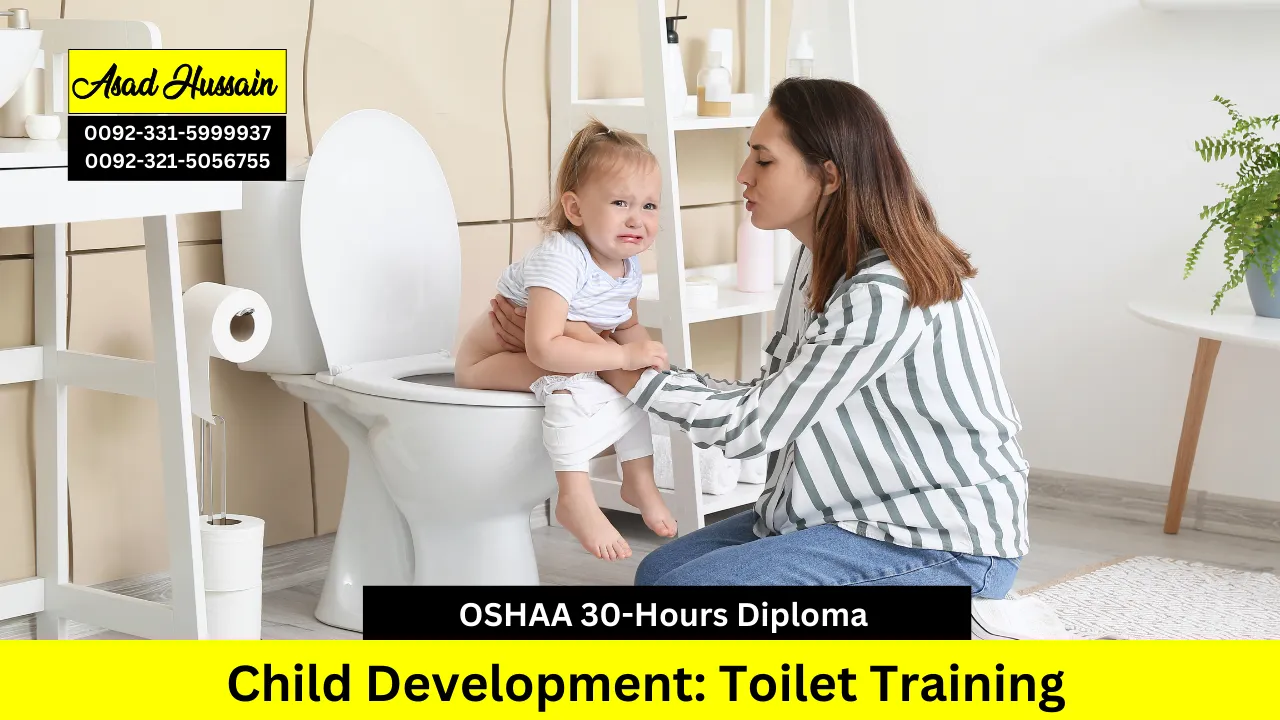
The OSHAA 30-Hours Diploma in Child Development: Toilet Training is a professionally designed programme that provides comprehensive guidance on supporting young children through the toilet training process. The course covers developmental milestones, readiness indicators, and effective techniques to encourage independence while maintaining a supportive and positive environment. Learners will explore practical strategies, behavioural approaches, and routines that help children develop confidence and consistency, ensuring both caregivers and children achieve successful outcomes.
Throughout the programme, participants gain insights into the psychological, emotional, and physical aspects of toilet training, including recognising challenges such as regression, anxiety, and developmental delays. The course emphasises creating structured routines, promoting healthy hygiene habits, and fostering patience and encouragement. Case studies and real-life examples allow learners to connect theoretical knowledge with practical applications, making it easier to implement strategies in home, childcare, or early learning settings.
OSHAA 30-Hours Diploma in Child Development: Toilet Training equips caregivers, childcare professionals, early years educators, and support staff with specialised skills and knowledge to guide children effectively through toilet training. Although this course is not Ofqual regulated, it complements other recognised diplomas and certificates in child development, early years education, childcare, or special needs support. Completing this programme enhances professional competence, builds confidence in implementing strategies, and ensures a child-centred approach to developmental milestones.
Program Highlights
Study Units
- Introduction to Toilet Training and Its Importance (3 Hours)
- Physical and Developmental Readiness for Toilet Training (4 Hours)
- Emotional and Behavioural Aspects of Toilet Training (3 Hours)
- Common Challenges and How to Overcome Them (4 Hours)
- Role of Caregivers and Practitioners in Toilet Training (3 Hours)
- Effective Communication and Positive Reinforcement Techniques (6 Hours)
- Creating Supportive Environments for Toilet Training (4 Hours)
- Cultural and Family Influences on Toilet Training Practices (3 Hours)
Entry Requirements
To enrol in the OSHAA 30-Hours Diploma in Child Development: Toilet Training, learners should meet the following requirements:
- Age Requirement: Learners must be at least 18 years old.
- Educational Background: A minimum of high school or equivalent is recommended. Relevant diplomas or certificates include Childcare and Education Diplomas, Early Years Practitioner Certificate, or Teaching Assistant Qualification.
- Language Proficiency: Good English reading and writing skills are required.
- Work Experience: Previous childcare or early years experience is helpful but not mandatory.
These criteria ensure learners can engage effectively and apply practical skills in supporting children through toilet training.
Learning Outcomes
Introduction to Toilet Training and Its Importance (3 Hours)
Understand the significance of toilet training in early childhood development
Recognise the benefits of timely and effective toilet training
Identify key developmental milestones related to toileting
Appreciate the impact of successful toilet training on child independence
Physical and Developmental Readiness for Toilet Training (4 Hours)
Identify physical signs indicating readiness for toilet training
Understand developmental stages relevant to toileting skills
Assess when a toddler is prepared to begin toilet training
Differentiate between readiness and developmental delays
Emotional and Behavioural Aspects of Toilet Training (3 Hours)
Recognise emotional factors influencing toilet training success
Understand common behavioural responses such as resistance or anxiety
Develop strategies to support toddlers emotionally during training
Promote positive behavioural outcomes related to toileting
Common Challenges and How to Overcome Them (4 Hours)
Identify frequent obstacles encountered during toilet training
Analyse causes behind challenges such as regression or refusal
Apply practical solutions to address and resolve difficulties
Equip participants with problem-solving techniques to support toddlers
Role of Caregivers and Practitioners in Toilet Training (3 Hours)
Understand the responsibilities of caregivers and practitioners in toileting support
Develop skills to provide consistent guidance and encouragement
Foster collaboration between caregivers and families
Promote a child-centred approach to toilet training
Effective Communication and Positive Reinforcement Techniques (6 Hours)
Master communication methods that encourage cooperation from toddlers
Use positive reinforcement to motivate and reward progress
Adapt communication styles to suit individual child needs
Build trusting relationships that support successful training
Creating Supportive Environments for Toilet Training (4 Hours)
Design physical spaces conducive to toilet training
Incorporate tools and resources that facilitate learning
Understand environmental factors that affect toileting behaviour
Promote safety and comfort throughout the training process
Cultural and Family Influences on Toilet Training Practices (3 Hours)
Recognise how culture and family beliefs shape toilet training approaches
Respect diverse practices and adapt strategies accordingly
Engage families effectively to align training methods with cultural values
Appreciate the role of social context in child development and toileting
Target Audience
This course is designed for individuals who want to gain specialised knowledge and practical skills in guiding young children through toilet training. It is ideal for caregivers, early years educators, and childcare professionals who wish to support child development, build independence, and apply effective strategies in both home and professional settings.
Aspiring Childcare Practitioners
- Individuals starting a career in early childhood education
- Learners seeking foundational knowledge in child development and toilet training
- Those aiming to work in nurseries, daycare centres, or preschool settings
- Career changers entering the childcare or education field
- Participants wishing to build confidence in guiding toddlers
Early Years Educators and Teachers
- Professionals looking to enhance classroom management for young children
- Educators seeking to apply structured toilet training methods
- Staff wanting to support emotional and behavioural development
- Practitioners aiming to integrate positive reinforcement strategies
- Teachers interested in creating child-centred learning environments
Caregivers and Parents
- Parents wishing to understand developmental readiness for toilet training
- Family caregivers seeking practical strategies to support independence
- Guardians needing guidance on behavioural and emotional support
- Individuals wanting to manage common toilet training challenges effectively
- Caregivers aiming to collaborate with educators for consistent training
Childcare Managers and Supervisors
- Nursery and daycare managers overseeing child development programs
- Professionals developing staff training and child support strategies
- Administrators ensuring safe, effective, and consistent toileting practices
- Supervisors promoting teamwork between caregivers and families
- Leaders aiming to implement best practices in early childhood care
Child Development and Support Specialists
- Professionals working with children with developmental delays or special needs
- Specialists aiming to adapt toilet training strategies to individual needs
- Practitioners seeking to understand emotional and behavioural influences
- Staff wanting to support children in building confidence and independence
- Individuals focused on enhancing overall developmental outcomes
Individuals with a Personal Interest in Child Development
- Learners passionate about early childhood development and care
- Individuals wishing to gain practical skills for use in home or community settings
- People wanting to improve confidence in supporting toddlers
- Those interested in understanding cultural and family influences on toileting
- Anyone seeking structured knowledge to promote positive child outcomes
Overall, this course is suitable for motivated learners who want to combine scientific understanding, practical skills, and professional competence to support toddlers successfully through toilet training.