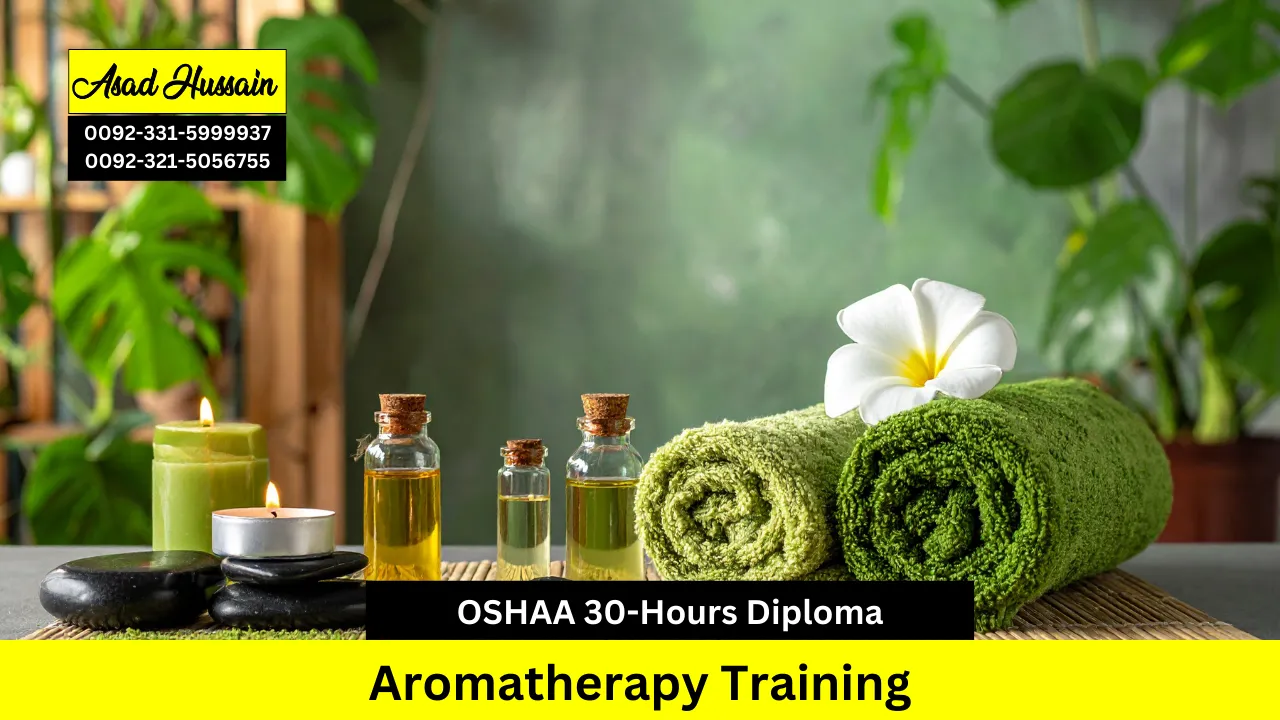
Enhance Healing and Relaxation Skills with the Professional Diploma in Aromatherapy
The OSHAA 30-Hours Professional Diploma in Aromatherapy Training is designed to provide learners with a comprehensive understanding of essential oils, their properties, and applications in promoting physical, mental, and emotional wellbeing. The course introduces the principles of aromatherapy, including safety guidelines, methods of extraction, and blending techniques. Learners gain insight into how essential oils can be applied for relaxation, stress relief, and overall wellness, alongside practical guidance for integrating aromatherapy into professional or personal practice safely and effectively.
Through a structured curriculum, participants explore the therapeutic benefits of a wide range of essential oils and their uses in massage, skincare, and holistic treatment approaches. The course covers client consultation methods, contraindications, and blending for targeted outcomes, alongside the creation of personalised aromatherapy plans. Emphasis is placed on hands-on learning, practical applications, and ethical use, ensuring learners can confidently apply aromatherapy techniques in wellness, spa, or home settings.
The OSHAA 30-Hours Professional Diploma in Aromatherapy Training supports professional development by complementing existing certifications and diplomas in wellness, massage therapy, holistic health, beauty therapy, and complementary medicine. Participants gain practical skills in essential oil selection, blending, and application, enabling them to provide safe and effective aromatherapy treatments. This course empowers learners to enhance relaxation, improve wellbeing, and promote holistic health practices while building confidence in their professional or personal aromatherapy abilities.
Program Highlights
Study Units
- Introduction to Aromatherapy and Its Historical Foundations (2 hours)
- Essential Oil Chemistry and Botanical Origins (3 hours)
- Methods of Extraction and Quality Standards (5 hours)
- Human Anatomy and Physiology Relevant to Aromatherapy (4 hours)
- Therapeutic Properties and Profiles of Common Essential Oils (5 hours)
- Blending Techniques and Formulation Principles (4 hours)
- Application Methods: Inhalation, Topical Use, and Diffusion (3 hours)
- Safety Guidelines, Contraindications, and Professional Ethics (3 hours)
To ensure learners gain the maximum benefit from the OSHAA 30-Hours Professional Diploma in Aromatherapy Training, the following entry requirements are recommended:
- Age Requirement: Participants should be at least 18 years old to ensure maturity and readiness to engage with aromatherapy techniques and wellness practices.
- Educational Background: A basic educational qualification is recommended. Learners with diplomas or certificates in massage therapy, beauty therapy, holistic health, complementary medicine, wellness, or related fields will find the course particularly beneficial, though prior experience is not mandatory.
- Language Proficiency: Participants should have a reasonable level of English proficiency to understand course materials, follow instructions, and complete assessments effectively, as the course is delivered in English.
- Work Experience: Prior experience in wellness, therapy, or holistic health practices is advantageous but not required. The course is designed to support both beginners and professionals seeking to enhance their practical aromatherapy knowledge.
This course is accessible to a wide range of learners and equips participants with practical skills in essential oil application, blending, and client care, promoting safe, effective, and professional aromatherapy practices. supporting holistic early childhood development.
Learning Outcomes
Introduction to Aromatherapy and Its Historical Foundations (2 hours)
- Describe the origins and historical development of aromatherapy across cultures
- Understand the evolution of essential oil use in traditional and modern contexts
- Recognise the role of aromatherapy within holistic health practices
Essential Oil Chemistry and Botanical Origins (3 hours)
- Identify the botanical sources of commonly used essential oils
- Understand the basic chemical components found in essential oils
- Explain how chemical properties influence the therapeutic effects of oils
Methods of Extraction and Quality Standards (5 hours)
- Describe various essential oil extraction methods such as steam distillation and cold pressing
- Distinguish between pure and adulterated essential oils
- Evaluate quality control measures and certification standards in the aromatherapy industry
Human Anatomy and Physiology Relevant to Aromatherapy (4 hours)
- Understand the structure and function of body systems relevant to aromatherapy
- Explain how essential oils interact with the body through different application methods
- Recognise key physiological processes that influence therapeutic outcomes
Therapeutic Properties and Profiles of Common Essential Oils (5 hours)
- Identify therapeutic uses of major essential oils including lavender, peppermint, and eucalyptus
- Match essential oils to specific physical and emotional health conditions
- Assess the suitability of oils based on individual needs and responses
Blending Techniques and Formulation Principles (4 hours)
- Apply principles of blending to create safe and effective essential oil combinations
- Understand the concepts of top, middle, and base notes in aroma blending
- Create targeted blends for specific therapeutic purposes
Application Methods: Inhalation, Topical Use, and Diffusion (3 hours)
- Demonstrate correct techniques for applying essential oils via inhalation, topical use, and diffusion
- Assess the effectiveness and appropriateness of each method for various conditions
- Apply aromatherapy techniques in a safe and controlled manner
Safety Guidelines, Contraindications, and Professional Ethics (3 hours)
- Identify potential risks and contraindications associated with essential oils
- Implement safety protocols to protect both practitioner and client
- Understand ethical considerations and professional conduct in aromatherapy practice
Target Audience
Introduction to Aromatherapy and Its Historical Foundations (2 hours)
- Describe the origins and historical development of aromatherapy across cultures
- Understand the evolution of essential oil use in traditional and modern contexts
- Recognise the role of aromatherapy within holistic health practices
Essential Oil Chemistry and Botanical Origins (3 hours)
- Identify the botanical sources of commonly used essential oils
- Understand the basic chemical components found in essential oils
- Explain how chemical properties influence the therapeutic effects of oils
Methods of Extraction and Quality Standards (5 hours)
- Describe various essential oil extraction methods such as steam distillation and cold pressing
- Distinguish between pure and adulterated essential oils
- Evaluate quality control measures and certification standards in the aromatherapy industry
Human Anatomy and Physiology Relevant to Aromatherapy (4 hours)
- Understand the structure and function of body systems relevant to aromatherapy
- Explain how essential oils interact with the body through different application methods
- Recognise key physiological processes that influence therapeutic outcomes
Therapeutic Properties and Profiles of Common Essential Oils (5 hours)
- Identify therapeutic uses of major essential oils including lavender, peppermint, and eucalyptus
- Match essential oils to specific physical and emotional health conditions
- Assess the suitability of oils based on individual needs and responses
Blending Techniques and Formulation Principles (4 hours)
- Apply principles of blending to create safe and effective essential oil combinations
- Understand the concepts of top, middle, and base notes in aroma blending
- Create targeted blends for specific therapeutic purposes
Application Methods: Inhalation, Topical Use, and Diffusion (3 hours)
- Demonstrate correct techniques for applying essential oils via inhalation, topical use, and diffusion
- Assess the effectiveness and appropriateness of each method for various conditions
- Apply aromatherapy techniques in a safe and controlled manner
Safety Guidelines, Contraindications, and Professional Ethics (3 hours)
- Understand ethical considerations and professional conduct in aromatherapy practice
- Identify potential risks and contraindications associated with essential oils
- Implement safety protocols to protect both practitioner and client