Diploma in Emotional Intelligence – Boost Your Self-Awareness and Professional Impact
The OSHAA 30-Hours Professional Diploma in Emotional Intelligence is designed for professionals seeking to advance their interpersonal and leadership capabilities. Participants acquire a deep understanding of emotional awareness, empathy, self-management, and social intelligence, combined with practical strategies to implement these skills in real-world situations. By completing this course, learners enhance their ability to inspire teams, manage conflicts, and build meaningful professional relationships. Graduates earn a globally recognized diploma that validates their expertise in emotional intelligence, enabling them to lead with confidence, improve workplace dynamics, and drive sustainable performance and personal development.
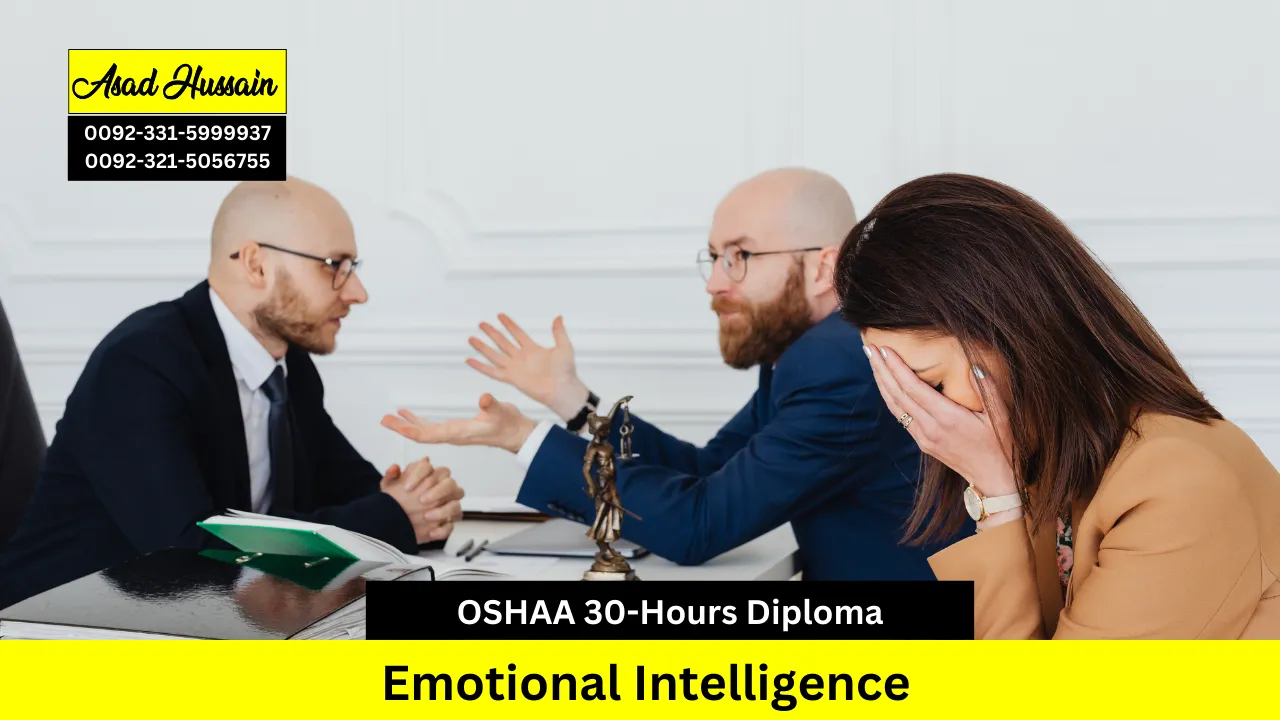
Emotional intelligence is a vital skill that impacts every aspect of personal and professional life. Understanding and managing emotions allows individuals to communicate effectively, resolve conflicts, and build stronger relationships. In modern workplaces, leaders and employees alike benefit from mastering emotional awareness, self-regulation, empathy, and social skills. This course provides learners with the tools to recognize their emotional patterns, respond thoughtfully in challenging situations, and foster positive interactions. By developing emotional intelligence, participants can improve teamwork, enhance workplace morale, and contribute to a more supportive and productive environment.
The course also emphasizes the practical application of emotional intelligence in leadership, decision-making, and personal growth. Participants explore techniques to enhance motivation, manage stress, and maintain resilience under pressure. Through interactive exercises, case studies, and self-assessment tools, learners gain insight into their behavioral tendencies and learn strategies to influence others positively. The program equips individuals to navigate complex interpersonal dynamics, strengthen communication skills, and adapt effectively to diverse workplace scenarios, ensuring both personal effectiveness and organizational success.
Program Highlights
Study Units
- Understanding Emotional Intelligence: Concepts and Foundations (3 hours)
- Developing Self-Awareness and Emotional Recognition (4 hours)
- Mastering Self-Regulation and Emotional Control (4 hours)
- Motivation and Emotional Resilience (3 hours)
- Cultivating Empathy and Emotional Perspective-Taking (6 hours)
- Building Strong Interpersonal and Social Communication Skills (4 hours)
- Emotional Intelligence in Leadership and Organisational Settings (3 hours)
- Conflict Resolution and Managing Difficult Emotions (3 hours)
Entry Requirements
To enroll in the OSHAA 30-Hours Professional Diploma in Emotional Intelligence, participants should meet the following entry requirements:
- Age Requirement: Applicants should be at least 18 years old to ensure maturity and readiness for professional training.
- Educational Background: A minimum of high school diploma or equivalent is recommended. Candidates with diplomas or certificates in psychology, human resources, social work, management, or related fields will benefit from foundational knowledge.
- Language Proficiency: Participants must have a good command of English to understand course materials, participate in discussions, and complete assessments effectively.
- Work Experience: While formal work experience is not mandatory, individuals with professional experience in leadership, human resources, education, coaching, or client-facing roles will find the course particularly valuable.
This program is designed to be accessible to both aspiring professionals and experienced practitioners, providing the essential skills and knowledge to enhance emotional intelligence, strengthen interpersonal communication, and drive leadership effectiveness across a variety of industries.
Learning Outcomes
Understanding Emotional Intelligence: Concepts and Foundations (3 hours)
- Define emotional intelligence and its key components
- Understand the impact of emotional intelligence on personal and professional success
- Explore the origins and development of emotional intelligence theory
- Recognise the difference between IQ, EQ, and personality traits
Developing Self-Awareness and Emotional Recognition (4 hours)
- Identify personal emotional patterns, triggers, and responses
- Enhance the ability to recognise and name a wide range of emotions
- Reflect on personal strengths and areas for emotional growth
- Increase mindfulness and presence in emotional experiences
Mastering Self-Regulation and Emotional Control (4 hours)
- Apply techniques to manage impulsive reactions and negative emotions
- Understand the role of self-discipline and emotional flexibility
- Develop strategies to remain calm and composed under pressure
- Build consistent emotional responses in challenging situations
Motivation and Emotional Resilience (3 hours)
- Understand the link between emotional intelligence and intrinsic motivation
- Develop goal-setting strategies supported by emotional insight
- Strengthen emotional resilience in the face of setbacks or change
- Foster a growth mindset to support continuous personal development
Cultivating Empathy and Emotional Perspective-Taking (6 hours)
- Define empathy and differentiate between cognitive and emotional empathy
- Recognise emotional cues in others and respond with sensitivity
- Improve perspective-taking in both personal and professional interactions
- Enhance listening skills and compassion-based responses
Building Strong Interpersonal and Social Communication Skills (4 hours)
- Apply emotional intelligence to enhance verbal and non-verbal communication
- Strengthen trust and rapport in personal and workplace relationships
- Navigate social dynamics and group interactions effectively
- Use emotionally intelligent language to support collaboration and feedback
Emotional Intelligence in Leadership and Organisational Settings (3 hours)
- Explore the role of emotional intelligence in effective leadership
- Enhance team engagement and morale through emotionally intelligent practices
- Apply emotional insight to guide decision-making and organisational culture
- Promote emotionally safe and inclusive work environments
Conflict Resolution and Managing Difficult Emotions (3 hours)
- Recognise the emotional dynamics behind conflicts and disagreements
- Apply emotional intelligence to resolve interpersonal tensions constructively
- Manage stress, defensiveness, and strong emotions in high-pressure situations
- Use de-escalation techniques to maintain productive communication
Target Audience
TThe OSHAA 30-Hours Professional Diploma in Emotional Intelligence is designed for professionals who want to enhance their emotional awareness, leadership abilities, and interpersonal skills. This course benefits individuals across various industries, helping them to build stronger relationships, manage emotions effectively, and drive personal and organizational success.
Corporate Leaders and Managers
- Develop emotional intelligence skills for effective team leadership
- Improve decision-making under pressure
- Enhance conflict resolution abilities
- Build stronger relationships with employees and peers
- Promote a positive and inclusive workplace culture
Human Resources and People Development Professionals
- Apply emotional insight to recruitment and talent management
- Support employee well-being and engagement
- Facilitate training sessions and workshops effectively
- Address workplace conflicts with empathy and understanding
- Encourage professional growth and performance improvement
Educators and Trainers
- Communicate complex emotional concepts clearly
- Motivate students and learners through emotional awareness
- Foster supportive and inclusive learning environments
- Apply strategies for classroom or workplace engagement
- Adapt teaching methods to different emotional needs
Healthcare and Social Care Professionals
- Enhance patient or client interactions with empathy
- Recognize and manage emotional stress in themselves and others
- Improve communication in sensitive situations
- Support mental health and emotional well-being initiatives
- Apply emotional intelligence in care planning and interventions
Entrepreneurs and Business Owners
- Understand emotional drivers of clients and employees
- Strengthen negotiation and persuasion skills
- Build resilient and adaptive teams
- Navigate high-pressure business decisions effectively
- Foster loyalty and positive workplace culture
Personal and Professional Development Enthusiasts
- Gain practical strategies for self-awareness and self-regulation
- Enhance relationships in personal and professional life
- Develop resilience and stress management skills
- Build confidence in communication and social interactions
- Apply emotional intelligence to everyday decision-making
Completing this course empowers participants to become emotionally intelligent leaders, communicators, and professionals who can influence positive change, strengthen relationships, and foster personal and organizational growth.