Diploma in Memory Loss – Master Cognitive Health and Care Strategies
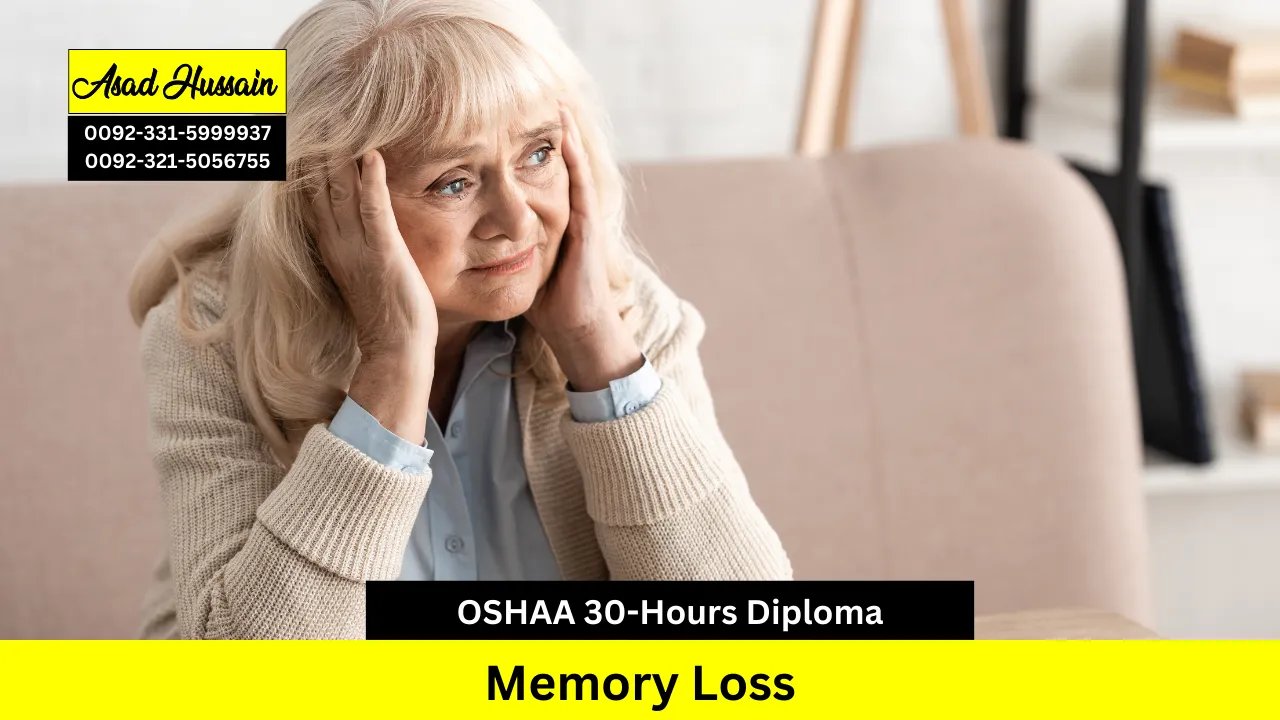
Memory loss is a critical health concern affecting millions globally, impacting both individuals and their families. Understanding the causes, progression, and management of cognitive decline is essential for caregivers, healthcare professionals, and support staff. This course introduces participants to the fundamental principles of memory function, cognitive processes, and the effects of aging on mental performance. Learners will explore how memory impairment influences daily living, behaviour, and emotional well-being, while gaining practical insights into supporting those affected. By combining scientific knowledge with applied techniques, participants are prepared to enhance care, improve patient outcomes, and foster supportive environments.
The program also emphasizes the importance of effective communication, empathy, and behavioural strategies when working with individuals experiencing memory loss. Participants will examine how environmental factors, lifestyle choices, and social interaction influence cognitive health. The course covers key topics such as dementia, Alzheimer’s disease, and other neurodegenerative conditions, while highlighting person-centered approaches to care. Learners gain practical guidance on developing routines, promoting independence, and managing challenging behaviours in a safe and respectful manner. By integrating theory with real-world applications, this program ensures participants can deliver high-quality support and interventions.
The OSHAA 30-Hours Professional Diploma in Memory Loss equips professionals with the skills and knowledge needed to make a meaningful impact in cognitive care. Participants will learn strategies for assessment, intervention, and care planning, tailored to individual needs and capabilities. The course also covers legal, ethical, and regulatory considerations in supporting people with memory impairment. Graduates are prepared to apply evidence-based techniques, lead memory support programs, and contribute to improving quality of life for affected individuals. By completing this diploma, learners gain confidence, professional credibility, and the ability to implement best practices in memory care across diverse settings.
Program Highlights
Study Units
- Introduction to Memory and Cognitive Function (3 hours)
- Understanding Types and Stages of Memory Loss (3 hours)
- Causes and Risk Factors of Memory Impairment (6 hours)
- Dementia and Alzheimer’s Disease: Diagnosis and Progression (4 hours)
- Neurological and Psychological Aspects of Memory Loss (5 hours)
- Communication Techniques for Memory Support (4 hours)
- Practical Strategies for Daily Living Assistance (3 hours)
- Supporting Families and Caregivers of Affected Individuals (2 hours)
Entry Requirements
To enroll in the OSHAA 30-Hours Professional Diploma in Memory Loss, participants should meet the following entry requirements to ensure they can fully engage with the course content and practical applications:
- Age Requirement: Participants must be at least 18 years old to ensure maturity and readiness for professional learning environments.
- Educational Background: A basic secondary education is recommended, such as high school completion, GCSEs, or equivalent. Candidates with related diplomas or certificates, such as Health and Social Care, Caregiving, Psychology, or Nursing qualifications, will have an added advantage.
- Language Proficiency: Participants should have a good command of English to understand course materials, communicate effectively during training, and complete assessments successfully.
- Work Experience: While formal work experience is not mandatory, individuals currently working or volunteering in healthcare, caregiving, social support, or related sectors will find the course highly applicable and easier to relate to practical scenarios.
This course is designed to be accessible to motivated learners who want to enhance their understanding and practical skills in memory care, providing the foundation to deliver effective, evidence-based support in professional or volunteer settings.
Learning Outcomes
Introduction to Memory and Cognitive Function (3 hours)
- Define memory and explain its role in cognitive functioning
- Identify key brain structures involved in memory processes
- Distinguish between different types of memory (short-term, long-term, working memory)
- Recognise how normal memory functions across the lifespan
Understanding Types and Stages of Memory Loss (3 hours)
- Differentiate between mild, moderate, and severe memory loss
- Identify key characteristics of various memory loss types (e.g., amnesia, age-related decline, dementia)
- Understand the progression and symptoms of cognitive decline
- Recognise early warning signs and behavioural indicators
Causes and Risk Factors of Memory Impairment (6 hours)
- Identify common causes of memory loss including neurological, psychological, and environmental factors
- Explore how genetics, ageing, and lifestyle influence cognitive decline
- Understand the impact of brain injuries, infections, and substance misuse on memory
- Assess the role of stress, trauma, and chronic illnesses in memory impairment
Dementia and Alzheimer’s Disease: Diagnosis and Progression (4 hours)
- Explain the clinical criteria for diagnosing dementia and Alzheimer’s disease
- Understand the stages and progression of these conditions
- Recognise the differences between dementia-related illnesses
- Explore available treatment and management options
Neurological and Psychological Aspects of Memory Loss (5 hours)
- Examine how neurological changes affect memory function
- Understand the psychological effects of memory loss on individuals
- Explore co-existing mental health conditions such as depression and anxiety
- Identify behavioural changes and their underlying neurological causes
Communication Techniques for Memory Support (4 hours)
- Apply effective verbal and non-verbal communication strategies
- Adapt language and interaction styles to suit memory-impaired individuals
- Use tools and prompts to support conversation and recall
- Handle confusion and repetitive questioning with sensitivity
Practical Strategies for Daily Living Assistance (3 hours)
- Develop personalised approaches to support independence in daily tasks
- Introduce memory aids, routines, and environmental modifications
- Ensure safety and consistency in home or care settings
- Encourage engagement through meaningful activities
Supporting Families and Caregivers of Affected Individuals (2 hours)
- Recognise the emotional and practical challenges faced by caregivers
- Offer guidance on coping strategies and support resources
- Promote collaborative care planning with family involvement
- Encourage caregiver self-care and resilience-building strategies
Target Audience
This course is ideal for professionals and caregivers who want to gain expert knowledge in memory loss management, support affected individuals, and provide high-quality care. It equips learners with practical skills, communication techniques, and intervention strategies suitable for a wide range of settings.
Healthcare Professionals
- Nurses working in hospitals, clinics, or care homes
- Occupational therapists supporting cognitive rehabilitation
- Psychologists and counsellors dealing with memory-related conditions
- General practitioners or medical assistants seeking specialized knowledge
- Social workers involved in care planning for memory-impaired individuals
Caregivers and Support Workers
- Family members providing care for relatives with memory loss
- Home care assistants responsible for daily living support
- Residential care workers supporting older adults or dementia patients
- Volunteers working with memory-impaired communities
- Community outreach workers in health and social care programs
Educators and Trainers
- Health educators delivering training on memory support
- Trainers in healthcare or social care organizations
- Professionals conducting workshops on dementia awareness
- Staff responsible for developing care programs and safety protocols
- Individuals creating awareness campaigns on memory loss and cognitive health
Mental Health and Rehabilitation Specialists
- Addiction counsellors working with cognitive impairment
- Occupational rehabilitation professionals focusing on elderly care
- Therapy coordinators addressing mental health challenges linked to memory loss
- Behavioural therapists designing intervention strategies
- Case managers overseeing integrated care plans
Researchers and Health Policy Professionals
- Public health researchers exploring cognitive decline trends
- Policy makers designing dementia-related programs
- Analysts evaluating effectiveness of memory care interventions
- Academics contributing to studies in gerontology or neurology
- Professionals involved in community health planning
This course empowers participants from diverse professional and personal backgrounds to provide informed, compassionate, and effective support to individuals with memory loss, ultimately improving care quality and patient outcomes.