Advance Diagnostic Skills with Diploma in Radiography for X-Ray Technicians
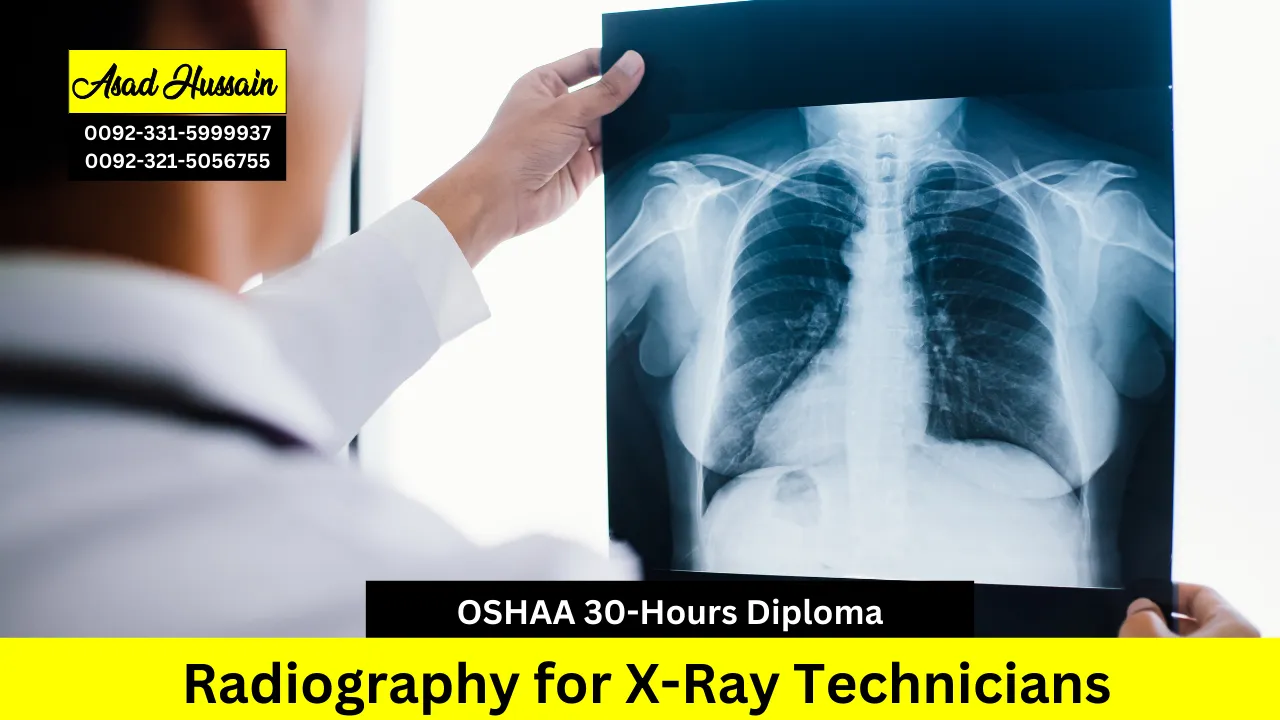
The OSHAA 30-Hours Diploma in Radiography for X-Ray Technicians is a focused professional training programme designed to enhance practical understanding of radiographic principles, imaging procedures, and safe operational practices within medical and diagnostic environments. This course introduces learners to the fundamentals of radiography, including X-ray production, image formation, radiation safety, and equipment handling. It is suitable for individuals working in or supporting diagnostic imaging services who want to strengthen technical competence and professional confidence. The programme is not Ofqual regulated, but it is structured to meet industry expectations and promote safe, accurate, and responsible radiographic practice.
Throughout the course, participants gain insight into patient positioning, image quality optimisation, radiation protection measures, and ethical considerations in radiographic work. Emphasis is placed on applying knowledge in real clinical and diagnostic settings, helping learners understand the importance of accuracy, safety, and patient care. The curriculum supports skill development that aligns well with professional certifications and diplomas in medical imaging, diagnostic support services, radiation safety, and healthcare technology, allowing participants to enhance their professional profile within healthcare and imaging-focused roles.
OSHAA 30-Hours Diploma in Radiography for X-Ray Technicians provides a strong learning platform for those seeking to improve their effectiveness and reliability in radiographic environments. While the course is not Ofqual regulated, it is valued for its clear structure and applied learning approach. It complements a range of international certifications and professional diplomas related to radiography, diagnostic imaging, and healthcare support services. By completing this programme, participants strengthen their understanding of safe imaging practices and contribute more confidently to high-quality diagnostic processes and patient-focused healthcare delivery.
Program Highlights
Study Units
- Fundamentals of Radiography and Imaging Principles (3 Hours)
- Radiation Physics and X-Ray Production (3 Hours)
- Anatomy for Radiographic Positioning (3 Hours)
- Operation and Calibration of X-Ray Equipment (3 Hours)
- Radiation Protection and Safety Protocols (3 Hours)
- Patient Care, Comfort, and Communication in Radiography (3 Hours)
- Radiographic Techniques for Different Anatomical Regions (4 Hours)
- Image Quality Assessment and Error Correction (3 Hours)
- Legal, Ethical, and Regulatory Requirements in Radiography (3 Hours)
- Quality Assurance and Maintenance of Imaging Standards (2 Hours)
The OSHAA 30-Hours Diploma in Radiography for X-Ray Technicians is designed to be accessible to learners who are involved in, or interested in, diagnostic imaging and radiography practices. The entry requirements are kept flexible while ensuring participants can effectively engage with the technical and safety-focused content of the course.
- Age Requirements: Learners are generally expected to be at least 18 years of age at the time of enrolment, ensuring an appropriate level of maturity when studying radiographic procedures and radiation safety principles.
- Educational Background: There are no strict academic prerequisites for this course; however, a basic secondary school education is recommended. Individuals holding or pursuing related diplomas or certificates—such as medical imaging support certificates, radiography assistant diplomas, healthcare support qualifications, radiation safety certificates, or medical technology diplomas—may find the course particularly relevant and easier to follow.
- Language Proficiency: Participants should have a basic to intermediate level of proficiency in the language of instruction to understand technical terminology, safety guidance, and course materials.
- Work Experience: Prior work experience is not mandatory, but experience in healthcare, diagnostic centres, hospitals, or clinical support roles can be beneficial for understanding practical applications.
Overall, these entry requirements ensure the course remains inclusive while supporting effective learning and safe engagement with radiography concepts and practices inclusive while supporting effective learning and meaningful engagement with child psychology and development principles.
Learning Outcomes
Fundamentals of Radiography and Imaging Principles (3 Hours)
• Understand the basic concepts and scope of radiography in medical imaging
• Explain the principles of image formation and interpretation
• Recognise the role of radiography within diagnostic healthcare services
Radiation Physics and X-Ray Production (3 Hours)
• Explain the physical principles behind X-ray generation and propagation
• Identify the components and functions of X-ray generating systems
• Understand how exposure factors influence image quality and patient safety
Anatomy for Radiographic Positioning (3 Hours)
• Identify anatomical structures relevant to common radiographic procedures
• Apply anatomical knowledge to achieve accurate patient positioning
• Understand the relationship between anatomy and optimal image capture
Operation and Calibration of X-Ray Equipment (3 Hours)
• Operate X-ray machines following standard protocols
• Perform basic calibration procedures to maintain equipment accuracy
• Troubleshoot common operational issues with radiography equipment
Radiation Protection and Safety Protocols (3 Hours)
• Apply principles of radiation safety for patients, staff, and self
• Implement ALARA (As Low As Reasonably Achievable) guidelines
• Use shielding, monitoring devices, and protective measures effectively
Patient Care, Comfort, and Communication in Radiography (3 Hours)
• Demonstrate effective communication with patients to ensure cooperation
• Provide comfort and reassurance during radiographic procedures
• Apply patient handling techniques that ensure safety and dignity
Radiographic Techniques for Different Anatomical Regions (4 Hours)
• Select appropriate radiographic techniques for various body parts
• Adjust positioning and exposure settings for optimal imaging results
• Identify and correct positioning errors during procedures
Image Quality Assessment and Error Correction (3 Hours)
• Evaluate radiographic images for clarity, contrast, and diagnostic value
• Identify common image quality issues and their causes
• Apply corrective actions to improve suboptimal images
Legal, Ethical, and Regulatory Requirements in Radiography (3 Hours)
• Understand legal obligations and professional responsibilities in radiography
• Apply ethical principles to patient care and imaging practices
• Follow relevant national and international regulatory standards
Quality Assurance and Maintenance of Imaging Standards (2 Hours)
• Implement quality control procedures in radiographic practice
• Maintain records of equipment performance and calibration
• Ensure consistent compliance with imaging quality standards
The OSHAA 30-Hours Diploma in Radiography for X-Ray Technicians is designed for individuals who are involved in medical imaging or who support diagnostic radiography services and want to strengthen their technical knowledge, safety awareness, and professional practice in radiographic environments.
X-Ray Technicians and Imaging Staff
• Practising X-ray technicians seeking to refresh core radiography skills
• Imaging assistants supporting diagnostic procedures
• Radiography staff aiming to improve image quality and safety practices
• Personnel working with X-ray equipment in clinical settings
• Technicians involved in routine diagnostic imaging operations
Healthcare Support Professionals
• Clinical support staff assisting in radiology departments
• Hospital and diagnostic centre employees exposed to imaging procedures
• Medical assistants working alongside radiographers
• Healthcare workers involved in patient preparation and positioning
• Staff seeking better understanding of radiographic workflows
Diagnostic Centre and Hospital Personnel
• Employees working in diagnostic imaging centres
• Staff supporting outpatient and inpatient radiology services
• Personnel responsible for equipment handling and safety
• Individuals involved in quality assurance and imaging support
• Workers aiming to improve compliance with imaging standards
Individuals Aspiring to Work in Radiography
• Learners interested in medical imaging and radiography fundamentals
• Individuals exploring roles related to X-ray technology
• Career changers moving into healthcare imaging environments
• Volunteers or assistants supporting radiology services
• People seeking structured knowledge of radiographic practice
Radiation Safety and Quality Personnel
• Staff responsible for radiation protection and safety monitoring
• Personnel involved in implementing ALARA principles
• Workers supporting equipment calibration and quality control
• Professionals focused on maintaining imaging standards
• Individuals promoting safe use of radiographic technology
Healthcare Professionals Expanding Imaging Knowledge
• Nurses and allied health professionals working with radiology teams
• Clinicians seeking better understanding of imaging procedures
• Staff involved in patient care during radiographic examinations
• Healthcare workers supporting diagnostic accuracy
• Professionals aiming to strengthen collaboration with imaging departments
Overall, this course is suitable for anyone involved in diagnostic imaging or healthcare support who wants to improve radiography knowledge, promote radiation safety, and contribute to accurate, ethical, and high-quality imaging services.