Transform Patient Recovery with the Professional Diploma
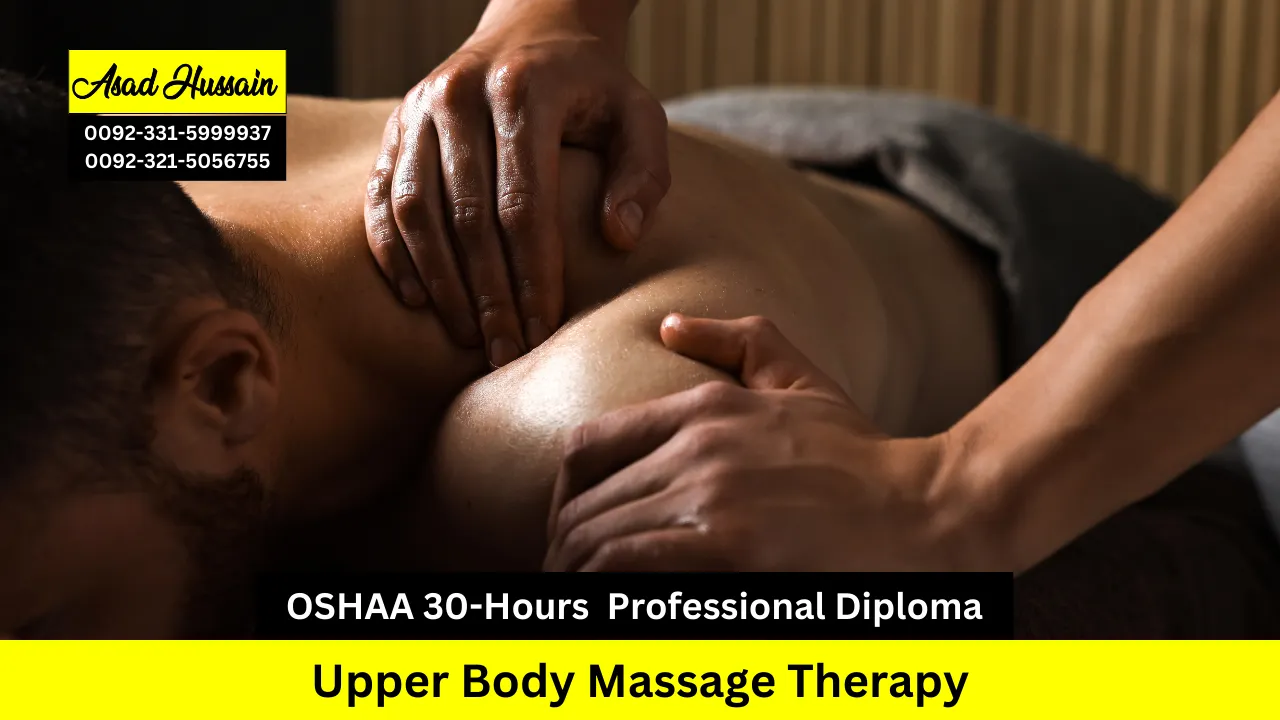
The OSHAA 30-Hours Professional Diploma in Upper Body Massage Therapy offers an intensive exploration into the anatomical structures and therapeutic techniques required to alleviate tension in the cervical, thoracic, and lumbar regions. This curriculum is meticulously designed to bridge the gap between basic relaxation strokes and advanced clinical intervention for muscular dysfunction. Students will analyze the biomechanics of the shoulder girdle, the complexities of the cranial base, and the physiological impact of myofascial release on soft tissue recovery.
Participants will engage with advanced modules covering site-specific musculoskeletal risk assessments, the application of deep tissue protocols, and the ethical guidelines governing professional tactile boundaries and client consent. While this program is an independent professional development offering and does not fall under Ofqual regulation, it remains a vital asset for those dedicated to mastering the art of physical rehabilitation and wellness. The training emphasizes practical application, ensuring that therapists and clinic managers can identify postural imbalances and soft tissue pathologies before they lead to chronic injury.
The OSHAA 30-Hours Professional Diploma in Upper Body Massage Therapy serves as a significant milestone for bodywork practitioners looking to validate their expertise in musculoskeletal health and injury prevention. Upon successful completion, individuals may find this foundational knowledge serves as a robust pillar when pursuing additional specialized certifications or advanced diplomas in sports massage and remedial therapy. These further credentials can enhance a professional’s portfolio, offering a broader scope of authority in multidisciplinary health clinics and professional sports organizations.
Program Highlights
Study Units
- Introduction to Upper Body Massage Therapy (3 hours)
- Anatomy and Physiology of the Upper Body (5 hours)
- Massage Techniques for the Neck, Shoulders, and Back (5 hours)
- Techniques for Arm and Hand Massage (4 hours)
- Understanding Musculoskeletal Disorders and Pain Management (4 hours)
- Developing a Personalised Treatment Plan (3 hours)
- Client Consultation and Communication Skills (3 hours)
- Hygiene, Safety, and Professional Standards in Massage (3 hours)
Entry Requirements
To enroll in the OSHAA 30-Hours Professional Diploma in Upper Body Massage Therapy, applicants must meet the following baseline criteria:
- Age and ID: Applicants must be at least 18 years old and provide a valid government-issued photo ID.
- Education and Language: A High School Diploma or equivalent is required. Candidates should have a strong command of English and ideally hold a basic Certificate in Anatomy and Physiology or a Diploma in Holistic Therapies.
- Experience: At least 1 to 2 years of work experience in the wellness, fitness, or healthcare sector is highly recommended.
These requirements ensure that all participants possess the foundational knowledge and professional maturity needed to master advanced manual therapy techniques.
Learning Outcomes
Introduction to Upper Body Massage Therapy (3 Hours)
- Understand the fundamentals of upper body massage therapy
- Learn the history and development of massage practices
- Gain knowledge of the benefits and applications of upper body massage
- Recognise the role of massage therapy in promoting physical and emotional wellbeing
Anatomy and Physiology of the Upper Body (5 Hours)
- Understand the anatomy and physiology of muscles, joints, and bones
- Identify key structures of the neck, shoulders, back, arms, and hands
- Learn functions of major muscle groups involved in upper body movements
- Understand how anatomical knowledge informs massage techniques
Massage Techniques for the Neck, Shoulders, and Back (5 Hours)
- Learn various massage techniques for the neck, shoulders, and back
- Develop skills to alleviate muscle tension and discomfort
- Understand the importance of posture and ergonomics during treatment
- Gain practical experience applying massage techniques safely and effectively
Techniques for Arm and Hand Massage (4 Hours)
- Learn targeted massage techniques for arms and hands
- Understand upper limb anatomy and its impact on massage treatment
- Develop proficiency in different massage strokes for hand and arm relief
- Gain insight into common conditions affecting arms and hands treatable with massage
Understanding Musculoskeletal Disorders and Pain Management (4 Hours)
- Identify common musculoskeletal disorders affecting the upper body
- Understand how massage therapy aids in managing pain and discomfort
- Learn about acute vs chronic pain and implications for treatment
- Develop strategies for addressing specific conditions through massage techniques
Developing a Personalised Treatment Plan (3 Hours)
- Learn to assess client needs and develop tailored treatment plans
- Consider medical history, lifestyle, and preferences in planning
- Gain skills in modifying techniques for individual client requirements
- Apply knowledge to design and implement personalised upper body massage sessions
Client Consultation and Communication Skills (3 Hours)
- Learn effective communication techniques for gathering client information
- Conduct thorough client consultations before massage sessions
- Manage client expectations and provide clear treatment explanations
- Enhance rapport-building and trust with clients
Hygiene, Safety, and Professional Standards in Massage (3 Hours)
- Understand the importance of hygiene and cleanliness in practice
- Learn health and safety regulations and protocols for massage therapists
- Understand professional ethics and standards in the massage field
- Maintain a safe and clean working environment for therapists and clients
Target Audience
The OSHAA 30-Hours Professional Diploma in Upper Body Massage Therapy is designed for dedicated bodywork practitioners, healthcare providers, and wellness specialists who aim to master advanced clinical techniques for treating musculoskeletal tension and upper-body pathologies.
Professional Massage and Spa Therapists
- Holistic therapists looking to specialize in deep tissue and remedial upper-body work.
- Spa practitioners aiming to transition from relaxation services to clinical therapy.
- Independent therapists wanting to offer targeted relief for chronic neck and shoulder pain.
- Massage clinic owners seeking to standardize advanced treatment protocols for their staff.
- Reflexologists and aromatherapy practitioners expanding their manual therapy toolkit.
- Senior therapists requiring a technical refresher on upper-body muscular anatomy.
Sports and Athletic Performance Specialists
- Sports massage therapists working with athletes prone to rotator cuff and thoracic injuries.
- Personal trainers wanting to better understand muscular recovery and tension release.
- Strength and conditioning coaches focusing on upper-body mobility and postural alignment.
- Athletic trainers assisting in the rehabilitation of overhead-throwing or contact-sport athletes.
- Fitness instructors seeking to provide informed advice on post-workout recovery.
- Team therapists managing the physical maintenance of professional sports organizations.
Physical Therapy and Rehabilitation Assistants
- Physiotherapy assistants supporting the treatment of cervical and thoracic spine conditions.
- Occupational therapy aides helping clients regain upper-body range of motion.
- Rehabilitation specialists focusing on soft tissue mobilization post-injury.
- Chiropractic assistants providing supportive soft tissue work alongside adjustments.
- Kinesiologists analyzing upper-body movement patterns and muscular imbalances.
- Orthopedic technicians wanting a deeper understanding of myofascial trigger points.
Healthcare and Clinical Personnel
- Nursing staff seeking to understand ergonomic relief for work-related physical strain.
- Occupational health officers managing workplace musculoskeletal health programs.
- Clinical assistants in pain management centers assisting with patient mobility.
- Caregivers providing therapeutic touch to individuals with limited upper-body movement.
- Wellness coordinators in hospital settings promoting employee and patient physical health.
- Emergency responders looking to understand the mechanics of upper-body trauma recovery.
Ergonomic and Workplace Safety Consultants
- Corporate wellness specialists designing injury prevention programs for office workers.
- Ergonomists assessing the impact of sedentary work on the neck and shoulders.
- Safety auditors identifying physical risk factors in industrial and desk-based roles.
- HR managers implementing employee health initiatives focused on physical tension.
- Health and safety trainers teaching proper biomechanics and lifting techniques.
- Workstation assessment experts recommending physical therapy interventions for staff.
Career Changers and Dedicated Students
- Dedicated learners preparing for a professional career in multidisciplinary health clinics.
- Healthcare students building foundational manual skills before pursuing advanced degrees.
- Career transitioners entering the high-demand field of clinical massage therapy.
- Anatomy enthusiasts seeking a professional-grade understanding of upper-body structure.
- Yoga and Pilates instructors wanting to deepen their knowledge of functional anatomy.
- Wellness entrepreneurs planning to open specialized treatment centers.
- Dedicated learners preparing for a professional career in multidisciplinary health clinics.