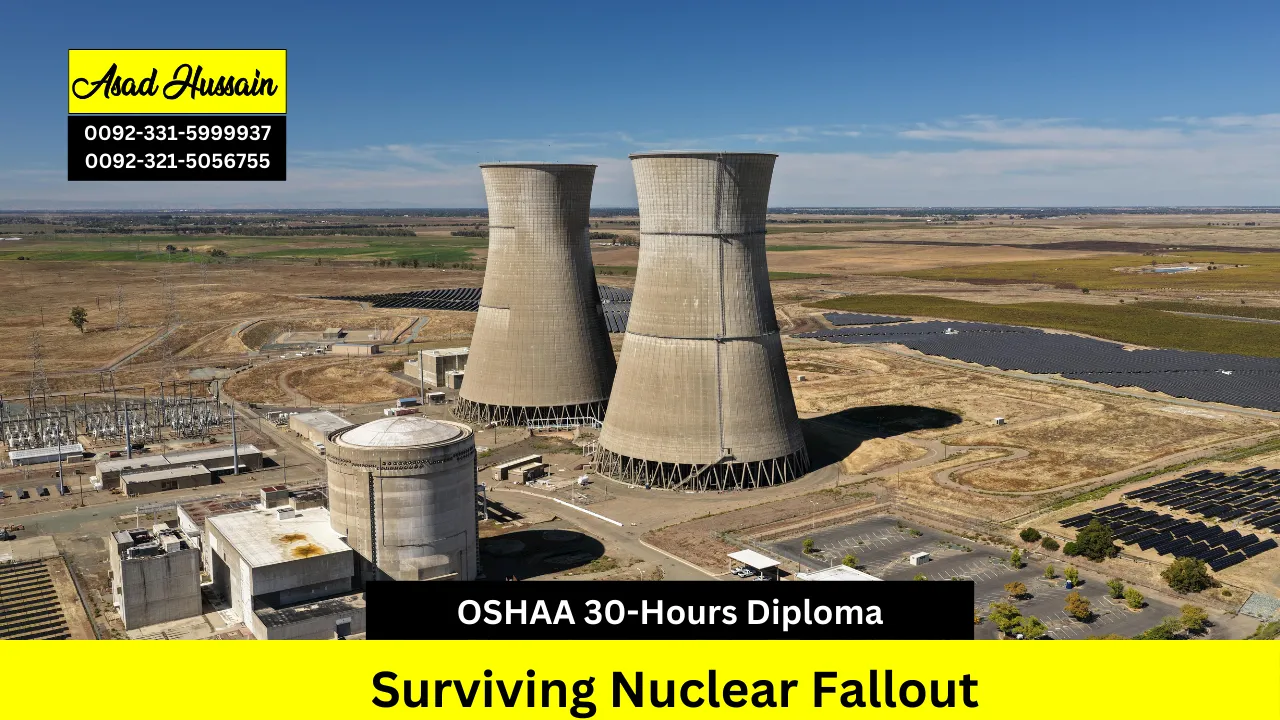
Professional Diploma in Surviving Nuclear Fallout for Emergency Preparedness
The OSHAA 30-Hours Professional Diploma in Surviving Nuclear Fallout is a specialised training programme designed to build awareness, preparedness, and practical understanding of nuclear fallout survival principles. This course introduces learners to the nature of nuclear incidents, radiation basics, immediate response actions, sheltering strategies, and personal safety measures. The content is structured to promote informed decision-making and calm, effective responses during high-risk scenarios. This programme is not Ofqual regulated; however, it is developed to reflect structured learning, real-world relevance, and practical safety knowledge aligned with emergency preparedness and disaster awareness contexts.
The course is suitable for individuals seeking to strengthen their understanding of emergency readiness and personal protection in extreme situations. Learners will explore topics such as contamination avoidance, safe shelter management, food and water protection, decontamination principles, and psychological resilience during crisis conditions. Emphasis is placed on clear procedures, risk awareness, and responsible behaviour to minimise harm. While the programme does not focus on academic regulation, it can complement a range of professional certifications and diplomas related to emergency management, disaster preparedness, civil safety, and risk awareness offered by recognised training bodies.
OSHAA 30-Hours Professional Diploma in Surviving Nuclear Fallout provides a structured and practical learning experience aimed at building confidence and readiness. The programme focuses on proactive planning, situational awareness, and safety-focused decision-making rather than fear-based responses. Learners benefit from a clear framework that supports knowledge application in realistic scenarios. On completion, participants may choose to enhance their professional profile by pursuing additional certifications and diplomas in areas such as emergency response, public safety, disaster risk reduction, or resilience planning, applying the skills gained within personal, community, or organisational environments.
Program Highlights
Study Units
- Introduction to Nuclear Fallout and Radiological Threats (3 hours)
- Types of Radiation and Their Effects on Human Health (3 hours)
- Historical Case Studies: Lessons from Past Nuclear Events (3 hours)
- Emergency Preparedness and Risk Assessment (3.5 hours)
- Building and Securing Fallout Shelters (3.5 hours)
- Decontamination Procedures and Radiation Protection (3 hours)
- Medical First Aid and Managing Radiation Exposure (3 hours)
- Safe Food, Water, and Resource Management During Fallout (3 hours)
- Psychological Resilience and Crisis Decision-Making (2.5 hours)
- Post-Fallout Recovery, Communication, and Community Coordination (2.5 hours)
To ensure participants are prepared for the OSHAA 30-Hours Professional Diploma in Surviving Nuclear Fallout, applicants should meet the following general entry requirements:
- Age Requirement: Applicants should be at least 16 years old to ensure they can comprehend safety protocols and course instructions effectively.
- Educational Background: A basic level of education is recommended. Learners with related diplomas or certificates in emergency preparedness, disaster management, civil safety, risk assessment, or first aid may find the course particularly advantageous, although prior qualifications are not mandatory.
- Language Proficiency: Participants should have a functional understanding of English, both written and spoken, to follow learning materials, instructions, and practical guidance confidently.
- Work Experience: No prior work experience is required; however, individuals with experience in emergency services, civil defense, safety management, or community preparedness may find it easier to apply the knowledge practically.
These entry requirements are designed to make the course accessible while ensuring learners are adequately prepared to engage with the content and develop practical, life-saving skills in nuclear fallout survival and emergency preparedness.afety skills, improve ergonomic practices, and ensure compliance with occupational safety standards in computer-based work environments.
Learning Outcomes
Introduction to Nuclear Fallout and Radiological Threats (3 Hours)
- Understand the concept of nuclear fallout and its causes
- Identify different types of radiological threats and their potential impact
- Recognise the global implications of nuclear events on public health and safety
- Gain foundational knowledge of nuclear terminology and emergency context
Types of Radiation and Their Effects on Human Health (3 Hours)
- Differentiate between alpha, beta, gamma, and neutron radiation
- Understand how radiation affects human cells and organ systems
- Identify symptoms of radiation sickness and long-term exposure risks
- Learn safe exposure limits and methods to reduce radiation harm
Historical Case Studies: Lessons from Past Nuclear Events (3 Hours)
- Examine key nuclear incidents such as Hiroshima, Chernobyl, and Fukushima
- Identify patterns in emergency response and public health outcomes
- Learn from past successes and failures in crisis management
- Apply lessons learned to improve future preparedness strategies
Emergency Preparedness and Risk Assessment (3.5 Hours)
- Learn how to conduct personal and community-level risk assessments
- Understand the importance of advance planning and resource allocation
- Create checklists and preparedness plans for different fallout scenarios
- Identify vulnerable populations and high-risk zones
Building and Securing Fallout Shelters (3.5 Hours)
- Understand the structural requirements of an effective fallout shelter
- Learn how to locate, build, or adapt a space for radiation protection
- Gain knowledge of ventilation, insulation, and shielding materials
- Ensure safety, sustainability, and long-term occupancy planning
Decontamination Procedures and Radiation Protection (3 Hours)
- Learn the step-by-step process for personal and environmental decontamination
- Identify appropriate clothing, equipment, and tools for protection
- Understand contamination risks and how to minimise exposure
- Apply procedures in various settings including homes and shelters
Medical First Aid and Managing Radiation Exposure (3 Hours)
- Recognise symptoms of acute radiation syndrome and related conditions
- Apply basic first aid techniques in contaminated environments
- Understand the use of potassium iodide and other medical countermeasures
- Develop protocols for triage and emergency response during fallout events
Safe Food, Water, and Resource Management During Fallout (3 Hours)
- Identify methods to store and protect food and water from contamination
- Understand how to purify and ration limited resources
- Learn how to manage essential supplies under emergency conditions
- Implement safety guidelines for food preparation and storage
Psychological Resilience and Crisis Decision-Making (2.5 Hours)
- Understand the psychological impact of nuclear emergencies
- Learn strategies to build emotional resilience and mental preparedness
- Develop techniques for decision-making under high-stress conditions
- Support others during prolonged periods of uncertainty or isolation
Post-Fallout Recovery, Communication, and Community Coordination (2.5 Hours)
- Learn steps for safely exiting shelter and assessing external conditions
- Understand communication strategies when traditional systems fail
- Coordinate with local authorities and aid organisations post-disaster
- Contribute to community rebuilding, resource distribution, and support networks
Target Audience
This course is designed for individuals who want to develop critical skills in nuclear fallout survival, emergency preparedness, and practical response strategies to protect themselves and their communities in high-risk situations.
Emergency Response Professionals
- Personnel working in civil defense, fire services, or emergency management
- Individuals responsible for disaster planning or crisis intervention
- Professionals seeking practical knowledge of radiation safety and fallout response
- Workers in safety-critical industries or hazardous environments
- Those aiming to improve community protection and emergency coordination
Home Preparedness and Safety Enthusiasts
- Individuals looking to protect their families during nuclear emergencies
- Homeowners interested in creating safe shelter spaces and preparedness plans
- People wanting practical knowledge for food, water, and resource management
- Learners seeking guidance on radiation exposure minimisation at home
- Those looking to build personal confidence in survival planning
Students and Learners in Safety or Disaster Studies
- Students studying emergency management, civil safety, or environmental risk
- Learners interested in practical, applied survival skills beyond theoretical knowledge
- Individuals seeking hands-on guidance for planning and crisis response
- Those aiming to complement other certifications in safety, disaster response, or first aid
- People wanting to understand global implications of nuclear incidents
Community Leaders and Volunteers
- Community organisers responsible for local emergency planning
- Volunteers supporting shelters, aid distribution, or public awareness
- Individuals involved in community training for crisis readiness
- Leaders wanting to develop communication and coordination skills in emergencies
- Those seeking to guide and support others during high-stress scenarios
Outdoor and Adventure Enthusiasts
- Individuals involved in survival training, outdoor expeditions, or wilderness activities
- People seeking advanced knowledge of environmental risks and protection
- Learners interested in practical self-sufficiency and resource management
- Those aiming to combine survival preparedness with emergency safety skills
- Individuals wanting to enhance resilience under extreme conditions
Learners Seeking Practical Safety Skills
- Anyone aiming to gain confidence in handling high-risk emergency situations
- Individuals focused on applied knowledge rather than theoretical learning
- People looking to prepare for unexpected or rare catastrophic events
- Learners seeking structured guidance in survival planning and crisis decision-making
- Those wishing to acquire transferable skills applicable to personal, family, or community safety
Overall, this course provides essential knowledge and practical skills for anyone who wants to be prepared, stay safe, and confidently respond to nuclear fallout scenarios while supporting the well-being of themselves and those around them. this course offers an inclusive and practical learning experience for anyone wishing to develop informed, responsible, and confident herb gardening skills applicable to a wide range of personal and community settings.