Learn Critical Heat Survival Techniques with the Professional Diploma
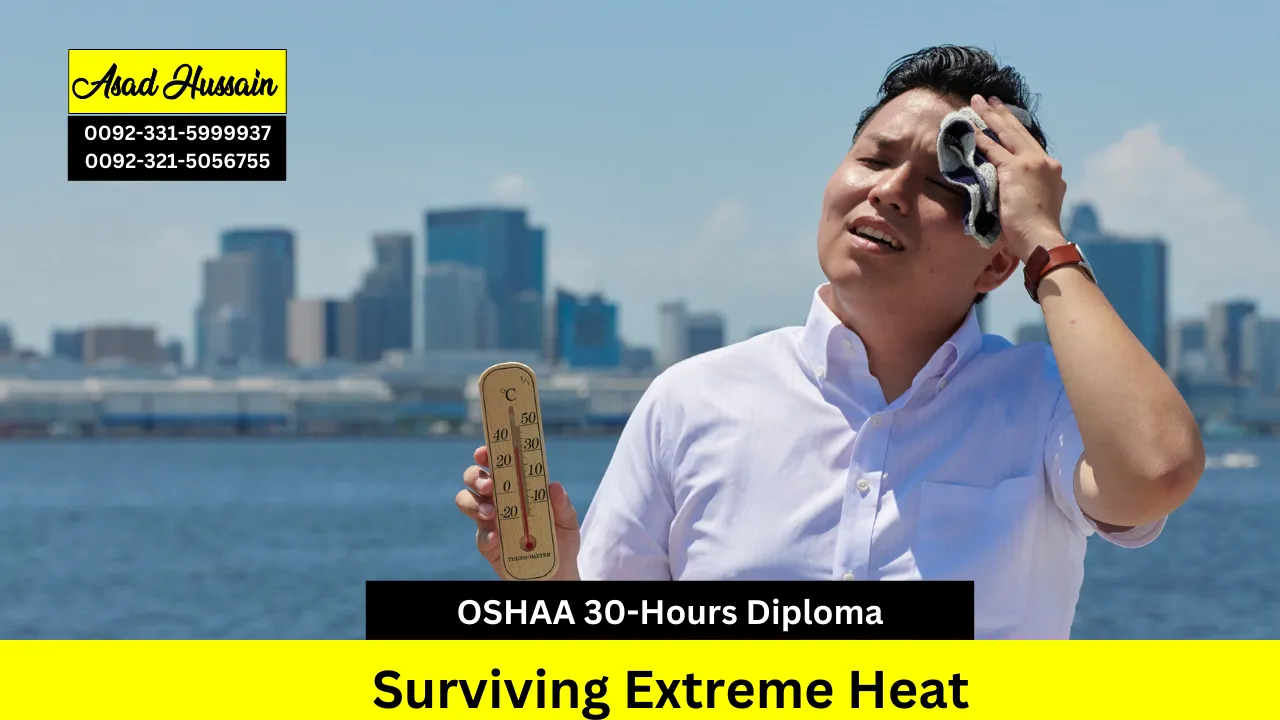
The OSHAA 30-Hours Professional Diploma in Surviving Extreme Heat is a specialised programme designed to equip learners with essential knowledge and practical skills for safely navigating and responding to extreme heat conditions. The course focuses on understanding the effects of high temperatures on the human body, recognising early warning signs of heat-related illnesses, and applying effective prevention strategies. Participants gain awareness of safety measures, environmental factors, and personal resilience techniques to minimise risk while operating in high-temperature environments.
This diploma emphasises practical safety applications, including hydration management, monitoring environmental conditions, protective equipment use, and emergency response strategies. Learners explore scenarios such as industrial heat exposure, outdoor fieldwork, and extreme weather events, providing a realistic context for applying survival techniques. The course is structured to build confidence and readiness in individuals who face extreme heat challenges, ensuring they can take informed actions to protect themselves and others.
OSHAA 30-Hours Professional Diploma in Surviving Extreme Heat prepares participants to handle heat stress effectively and apply proactive measures in high-temperature settings. The programme also complements existing certifications and diplomas in occupational safety, first aid, emergency preparedness, and environmental health, enhancing practical skills for workplace and outdoor safety. Upon completion, learners can implement prevention plans, recognise critical warning signs, and respond competently in extreme heat situations, promoting both personal safety and organisational compliance.
Program Highlights
Study Units
- Introduction to Extreme Heat and Human Survival (3 Hours)
- Understanding Heat Stress and Its Impact on the Body (3 Hours)
- Hydration Strategies and Nutritional Considerations in High Temperatures (3 Hours)
- Protective Clothing, Equipment, and Environmental Adaptations (3 Hours)
- Recognising and Managing Heat-Related Illnesses (4 Hours)
- Preventive Measures for Safe Activity in Extreme Heat (3 Hours)
- Emergency Response and First Aid for Heat Emergencies (5 Hours)
- Psychological Preparedness and Decision-Making Under Heat Stress (3 Hours)
- Survival Techniques in Remote or Resource-Limited Hot Environments (3 Hours)
The OSHAA 30-Hours Professional Diploma in Surviving Extreme Heat is designed to be accessible while ensuring learners are prepared to engage effectively with the course content. The following entry requirements outline the recommended criteria for enrolment:
- Age Requirements: Learners should be at least 18 years of age to ensure suitability for training in potentially challenging or physically demanding environments.
- Educational Requirements: A basic secondary education is recommended. Prior learning such as certificates or diplomas in occupational safety, environmental health, first aid, emergency response, or workplace safety can be beneficial but is not mandatory.
- Language Proficiency: Learners should have a reasonable level of written and spoken English to understand course materials, follow instructions, and complete assessments effectively.
- Work Experience: No formal work experience is required, though individuals working in outdoor, industrial, or high-temperature environments may find the content immediately applicable.
This course welcomes motivated individuals who want to gain practical knowledge and skills in extreme heat safety, emergency preparedness, and occupational protection, complementing related certifications or diplomas in safety, first aid, and environmental health iduals who are committed to developing practical knowledge and ethical awareness within health and social care environments.
Learning Outcomes
Introduction to Extreme Heat and Human Survival (3 Hours)
- Understand the definition and characteristics of extreme heat conditions
- Identify environmental and situational factors that increase heat exposure risks
- Recognise the importance of preparation and adaptation for survival in high temperatures
Understanding Heat Stress and Its Impact on the Body (3 Hours)
- Explain how the human body regulates temperature in hot environments
- Identify the physiological effects of heat stress on different body systems
- Recognise early signs of heat strain and apply appropriate self-care measures
Hydration Strategies and Nutritional Considerations in High Temperatures (3 Hours)
- Understand the role of hydration in preventing heat-related illnesses
- Apply effective fluid replacement techniques for different heat conditions
- Identify foods and nutritional practices that support endurance and recovery in high heat
Protective Clothing, Equipment, and Environmental Adaptations (3 Hours)
- Select appropriate clothing and gear for reducing heat absorption and retention
- Apply environmental adaptations such as shade, ventilation, and cooling methods
- Understand the role of modern and traditional protective technologies in heat survival
Recognising and Managing Heat-Related Illnesses (4 Hours)
- Identify symptoms and stages of common heat-related illnesses such as heat exhaustion and heatstroke
- Apply correct first response procedures for each condition
- Understand when and how to seek professional medical assistance
Preventive Measures for Safe Activity in Extreme Heat (3 Hours)
- Plan and schedule activities to minimise heat exposure risks
- Use monitoring tools to assess heat risk levels before and during activity
- Implement lifestyle and behavioural changes to improve heat resilience
Emergency Response and First Aid for Heat Emergencies (5 Hours)
- Perform immediate first aid for heat-related emergencies
- Apply cooling and recovery techniques for severely affected individuals
- Coordinate emergency communication and evacuation procedures in high-heat situations
Psychological Preparedness and Decision-Making Under Heat Stress (3 Hours)
- Recognise the mental effects of extreme heat on focus, mood, and decision-making
- Apply stress management techniques to maintain clarity under pressure
- Develop confidence in making quick, safe decisions in high-risk heat scenarios
Survival Techniques in Remote or Resource-Limited Hot Environments (3 Hours)
- Identify natural and improvised shelters suitable for extreme heat conditions
- Apply water sourcing, purification, and conservation methods in remote areas
- Use navigation and safety strategies to survive in isolated, high-temperature locations
Target Audience
This course is ideal for individuals who want to develop practical skills and confidence to safely survive and operate in extreme heat conditions while understanding the associated risks and preventive measures.
Outdoor Workers and Field Staff
- Individuals working in construction, mining, or agriculture
- Staff involved in forestry, oil, or gas industries exposed to high temperatures
- Workers handling heavy physical tasks in hot environments
- Professionals needing to understand heat safety protocols
- Those responsible for team safety during outdoor operations
Emergency Responders and Safety Personnel
- Firefighters and disaster response teams
- Paramedics and first aid responders
- Safety officers monitoring workplace or public environments
- Professionals coordinating evacuations or emergency procedures
- Individuals responsible for implementing heat-related safety measures
Adventurers and Outdoor Enthusiasts
- Hikers, trekkers, and mountaineers in hot climates
- Desert or tropical expedition participants
- Adventure guides leading outdoor groups
- Survival enthusiasts wanting practical heat management skills
- Individuals seeking confidence in extreme environment preparedness
Healthcare and Occupational Safety Practitioners
- Health and safety officers assessing workplace heat risks
- Nurses or medical personnel working in hot-field clinics
- Professionals supporting workers in physically demanding roles
- Trainers providing first aid or heat safety instruction
- Individuals aiming to strengthen knowledge of heat stress management
Individuals in Remote or Resource-Limited Environments
- Personnel working in deserts, islands, or isolated locations
- Workers in outdoor research or environmental projects
- Field engineers and surveyors exposed to prolonged heat
- Staff responsible for safety in remote operational sites
- Anyone needing practical skills to survive and adapt in extreme heat
People Seeking Personal and Professional Development
- Learners aiming to increase resilience and awareness in high-temperature settings
- Individuals wanting practical survival knowledge for occupational or personal use
- Professionals preparing for emergency scenarios
- Those interested in complementing other safety, first aid, or survival certifications
- Individuals seeking confidence in recognising, preventing, and responding to heat-related risks
This course equips learners with the knowledge, skills, and confidence to respond effectively to extreme heat situations, enhancing personal safety, professional competence, and emergency preparedness practical learning for a wide audience, helping participants build confidence, understanding, and effective skills to manage anxiety and phobias in everyday personal and professional contexts.