Advance Your Career in Sports Medicine with OSHAA 30-Hours Professional Diploma
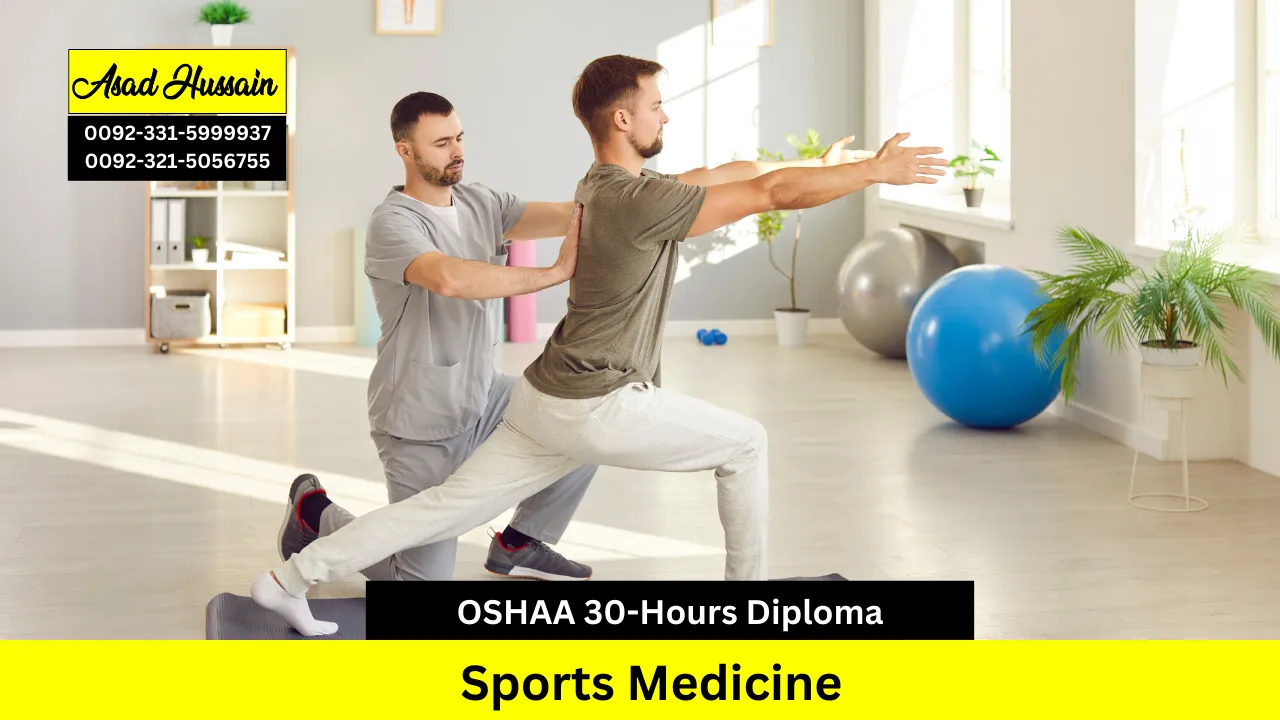
The OSHAA 30-Hours Professional Diploma in Sports Medicine is designed to provide a comprehensive understanding of the science and practice of sports medicine. This course equips learners with the knowledge to prevent, assess, and manage sports-related injuries, while promoting optimal athletic performance. Participants will explore the anatomy and physiology of the musculoskeletal system, understand common sports injuries, and learn evidence-based techniques for rehabilitation and recovery. The course combines theoretical knowledge with practical guidance to help professionals and enthusiasts implement safe and effective sports care strategies.
Learners will gain insights into injury prevention, risk management, and emergency response tailored to athletic environments. The diploma covers essential topics such as first aid for sports injuries, rehabilitation exercises, nutrition for athletes, and principles of performance enhancement. Emphasis is placed on understanding the physical, cognitive, and psychological aspects of athlete care. By applying these concepts, participants will be able to create supportive and safe environments for athletes at all levels, from amateur to professional, ensuring both short-term recovery and long-term performance improvement.
The OSHAA 30-Hours Professional Diploma in Sports Medicine provides practical skills and professional knowledge suitable for coaches, trainers, physiotherapists, sports therapists, and fitness professionals. Participants will explore methods to enhance recovery, prevent injury, and manage acute and chronic conditions in sports settings. This diploma also highlights the integration of assessment tools, rehabilitation strategies, and emergency procedures to ensure effective athlete support. Completing this course empowers learners to confidently apply sports medicine principles in real-world settings, improving athlete wellbeing and performance outcomes.
Program Highlights
Study Units
- Introduction to Sports Medicine and Athlete Health (3 Hours)
- Functional Anatomy and Musculoskeletal Physiology (5 Hours)
- Common Sports Injuries: Causes, Types, and Risk Factors (4 Hours)
- Injury Prevention and Performance Optimisation (3 Hours)
- Principles of Rehabilitation and Recovery (4 Hours)
- mergency Care and First Response in Sport (3 Hours)
- Biomechanics and Movement Analysis (3 Hours)
- Sports Nutrition and Hydration Strategies (5 Hours)
To enroll in the OSHAA 30-Hours Professional Diploma in Sports Medicine, participants should meet basic eligibility criteria to ensure they can fully engage with the course content and practical applications.
- Age Requirements: Participants must be at least 18 years old.
- Educational Requirements: A minimum of secondary education (high school diploma or equivalent) is recommended. Learners with prior certifications or diplomas in Health and Social Care, First Aid, Fitness Training, or Sports Therapy will find the course easier to follow.
- Language Proficiency: Participants should have a good command of English to understand the course materials, complete assessments, and apply practical techniques effectively.
- Work experience: healthcare, fitness, coaching, or sports support roles is advantageous but not mandatory.
This course is suitable for anyone looking to expand their expertise in sports medicine, injury prevention, and athlete care, providing the foundational knowledge needed to excel in professional or voluntary roles in athletic and rehabilitation settings.
Learning Outcomes
Introduction to Sports Medicine and Athlete Health (3 Hours)
- Understand the scope, principles, and importance of sports medicine
- Identify the roles of professionals within sports health teams
- Recognise key factors influencing athlete wellbeing and injury risk
- Explore ethical considerations in athlete care and performance management
Functional Anatomy and Musculoskeletal Physiology (5 Hours)
- Identify key anatomical structures involved in athletic movement
- Understand muscle, joint, and connective tissue function under physical stress
- Analyse how the musculoskeletal system responds to training and injury
- Apply anatomical knowledge to inform injury prevention and rehabilitation
Common Sports Injuries: Causes, Types, and Risk Factors (4 Hours)
- Recognise common acute and chronic sports injuries across various disciplines
- Understand mechanisms of injury in different sporting contexts
- Identify intrinsic and extrinsic risk factors contributing to injury
- Evaluate the signs, symptoms, and potential complications of common injuries
Injury Prevention and Performance Optimisation (3 Hours)
- Apply evidence-based strategies to reduce the risk of sports injuries
- Understand the role of conditioning and flexibility in injury prevention
- Integrate load management and recovery principles into performance planning
- Promote safe training environments and habits to enhance athletic output
Principles of Rehabilitation and Recovery (4 Hours)
- Understand stages of rehabilitation from initial treatment to full return to sport
- Explore rehabilitation methods including exercise therapy and manual techniques
- Develop appropriate recovery plans tailored to injury type and severity
- Monitor progress and adjust interventions based on functional outcomes
Emergency Care and First Response in Sport (3 Hours)
- Recognise medical emergencies commonly encountered in sport
- Understand immediate care protocols for acute injuries and trauma
- Apply basic life support and on-field management techniques
- Respond confidently and safely in high-pressure sporting situations
Biomechanics and Movement Analysis (3 Hours)
- Understand the biomechanical principles of movement in athletic performance
- Identify faulty movement patterns that may lead to injury
- Use movement analysis to assess performance and inform intervention
- Integrate biomechanical insight into rehabilitation and training programmes
Sports Nutrition and Hydration Strategies (5 Hours)
- Understand the nutritional demands of different sports and training phases
- Apply principles of macronutrient and micronutrient planning for performance
- Recognise signs of dehydration and implement effective hydration strategies
- Support recovery and energy optimisation through tailored nutrition plans
Target Audience
The OSHAA 30-Hours Professional Diploma in Sports Medicine is designed for individuals who want to gain in-depth knowledge and practical skills in sports injury prevention, rehabilitation, and athlete care. This course is ideal for healthcare professionals, fitness trainers, sports enthusiasts, and anyone involved in supporting athletic performance and safety.
Healthcare and Rehabilitation Professionals
- Physiotherapists aiming to enhance sports injury management skills
- Occupational therapists working with active or athletic populations
- Sports therapists providing rehabilitation for acute and chronic injuries
- Nurses involved in community or sports healthcare
- Medical practitioners looking to specialise in sports-related care
- Allied health professionals supporting athlete recovery and performance
Coaches and Athletic Trainers
- Professional and amateur sports coaches seeking injury prevention strategies
- Strength and conditioning trainers managing athlete performance
- Fitness instructors supporting rehabilitation and physical conditioning
- Personal trainers aiming to integrate sports medicine knowledge
- Team trainers working with competitive or school sports teams
- Coaches responsible for designing safe training programmes
Sports Enthusiasts and Athletes
- Amateur athletes wanting to understand injury prevention
- Recreational sports participants interested in self-care techniques
- Individuals seeking guidance on training recovery and performance
- Community sports leaders promoting safe practice for members
- Athletes aiming to reduce downtime from injury
- People interested in applying sports medicine principles in daily exercise
Workplace Health and Safety Professionals
- Occupational health advisors focusing on athletic environments
- HR managers implementing workplace sports programs
- Safety officers managing risks in sports facilities
- Professionals designing accessible and safe training spaces
- Administrators overseeing employee or community sports participation
- Staff responsible for compliance with health and safety standards
Students and Learners in Health and Sports Fields
- Learners pursuing careers in physiotherapy, sports therapy, or fitness
- Students interested in expanding knowledge of sports injury care
- Individuals preparing for roles in rehabilitation or athlete support
- Those seeking practical skills to complement academic learning
- Students aiming to understand injury prevention and performance strategies
- Aspiring professionals looking to build a strong foundation in sports medicine
This course equips participants with the knowledge, confidence, and practical skills to effectively prevent, manage, and support sports-related injuries, making a meaningful impact in athletic, healthcare, and community settings.