Unlock Practical Strategies to Support Seasonal Affective Disorder with the Diploma
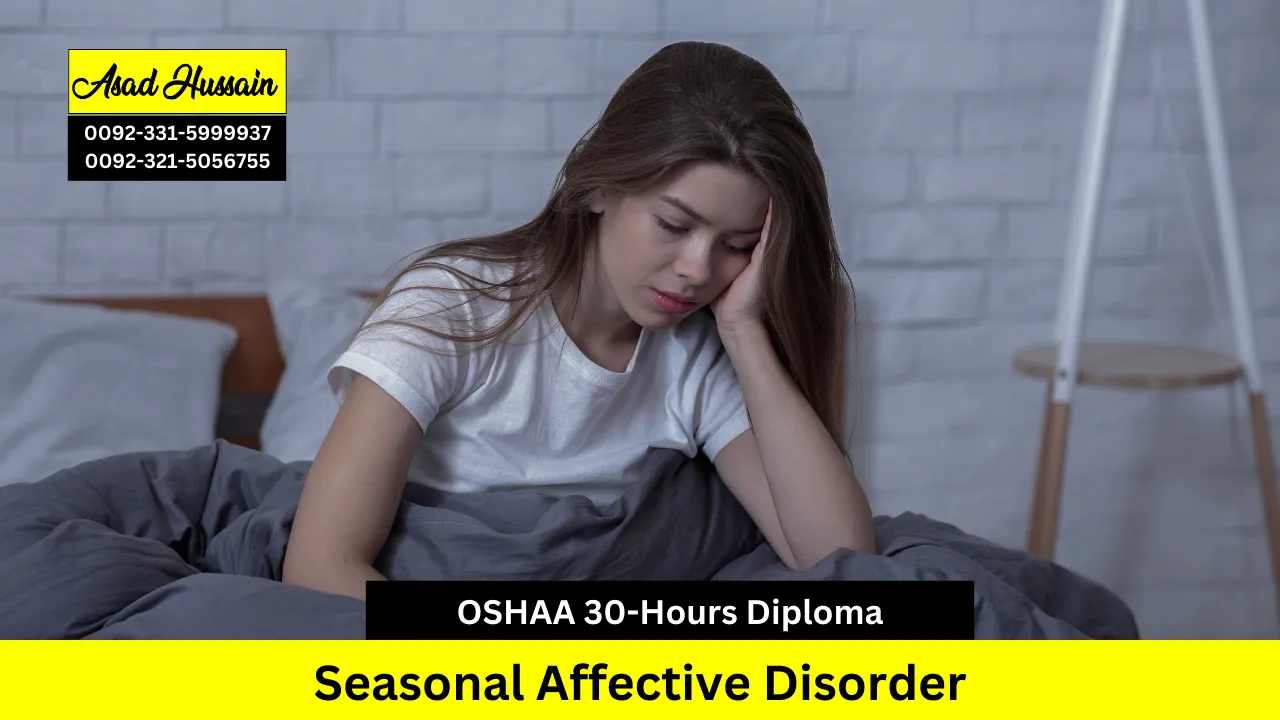
The OSHAA 30-Hours Professional Diploma in Seasonal Affective Disorder is a focused and practical programme designed to provide learners with a deep understanding of the causes, symptoms, and impacts of Seasonal Affective Disorder (SAD) on mental health. Participants will explore how seasonal changes, light exposure, and environmental factors influence mood, behaviour, and overall wellbeing. The course provides a balanced approach, combining theoretical knowledge with real-world applications, enabling learners to recognise the signs of SAD and understand its effect on daily life and productivity.
Learners will gain insight into the physiological and psychological mechanisms behind SAD, including circadian rhythm disruption, melatonin production, and neurotransmitter imbalances. The programme also examines risk factors, vulnerable populations, and the role of lifestyle, diet, and exercise in symptom management. Skills gained in this course can complement certifications and diplomas in mental health, counselling, wellbeing coaching, and healthcare support, offering practical strategies to enhance individual and community mental health outcomes.
OSHAA 30-Hours Professional Diploma in Seasonal Affective Disorder equips learners with knowledge and practical techniques to manage and support individuals affected by SAD. The course emphasises intervention strategies, coping mechanisms, and environmental adjustments to improve mental and emotional resilience. By completing this diploma, learners gain recognised certifications and diplomas that enhance professional skills in mental health support, wellbeing coaching, and community care, empowering them to make a positive impact on individuals and organisations affected by seasonal mood disorders.
Program Highlights
Study Units
- Introduction to Seasonal Affective Disorder and Its Impact on Mental Health (3 hours)
- Biological, Environmental, and Circadian Factors in SAD (4 hours)
- Identifying Psychological and Behavioural Symptoms of SAD (5 hours)
- Diagnostic Criteria, Screening Tools, and Clinical Assessment (3 hours)
- Light Therapy: Principles, Application, and Safety (4 hours)
- Cognitive Behavioural Approaches to Managing SAD (6 hours)
- Lifestyle Modifications and Nutritional Interventions (3 hours)
- Supporting Diverse Populations and Cultural Sensitivities (2 hours)
The entry requirements for the OSHAA 30-Hours Professional Diploma in Seasonal Affective Disorder are designed to ensure learners can fully engage with the course content and effectively apply the knowledge in personal or professional settings.
- Age Requirement: Learners should generally be at least 18 years old to enrol, ensuring maturity and readiness for professional-level learning.
- Educational Background: A basic secondary education is recommended. Individuals with prior exposure to related diplomas or certificates—such as mental health support, counselling, wellbeing coaching, psychology, or healthcare—may benefit from enhanced understanding, though it is not mandatory.
- Language Proficiency: Participants should have a functional level of English, as all materials, instructions, and assessments are delivered in English.
- Work Experience: No formal work experience is required. However, professionals working in healthcare, mental health, counselling, education, or community services may gain practical insight from the programme.
Overall, these entry requirements ensure the OSHAA 30-Hours Professional Diploma in Seasonal Affective Disorder remains accessible to motivated learners who want to develop practical skills, complement existing certifications or diplomas in mental health and wellbeing, and make a meaningful impact in supporting individuals affected by seasonal mood changes.
Learning Outcomes
Introduction to Seasonal Affective Disorder and Its Impact on Mental Health (3 hours)
- Understand the definition and classification of Seasonal Affective Disorder
- Recognise the broader impact of SAD on mental health and daily functioning
- Explore the seasonal patterns and prevalence of SAD in various populations
- Identify the relationship between SAD and other mood disorders
Biological, Environmental, and Circadian Factors in SAD (4 hours)
- Explain the role of melatonin, serotonin, and circadian rhythms in SAD
- Understand how reduced sunlight exposure affects biological functioning
- Identify environmental triggers that contribute to the onset of symptoms
- Examine the interaction between genetic, neurological, and seasonal influences
Identifying Psychological and Behavioural Symptoms of SAD (5 hours)
- Recognise common emotional and behavioural indicators of SAD
- Differentiate SAD from other depressive and mood-related conditions
- Understand the cognitive patterns often associated with seasonal depression
- Observe the functional impact of SAD on motivation, sleep, and social interaction
Diagnostic Criteria, Screening Tools, and Clinical Assessment (3 hours)
- Understand the DSM and ICD diagnostic criteria for SAD
- Learn to apply screening tools such as the Seasonal Pattern Assessment Questionnaire (SPAQ)
- Identify when to refer for clinical evaluation and further mental health support
- Assess the reliability and limitations of current diagnostic methods
Light Therapy: Principles, Application, and Safety (4 hours)
- Understand the scientific basis of light therapy as a treatment for SAD
- Learn how to choose and safely use light therapy equipment
- Identify suitable treatment schedules and monitor progress
- Recognise contraindications and side effects associated with light therapy
Cognitive Behavioural Approaches to Managing SAD (6 hours)
- Understand the principles of cognitive behavioural therapy in treating SAD
- Apply CBT techniques to address negative thought patterns and behaviours
- Explore behavioural activation strategies for maintaining daily routines
- Integrate CBT into holistic support plans for long-term symptom management
Lifestyle Modifications and Nutritional Interventions (3 hours)
- Recognise the role of physical activity, sleep hygiene, and routine in managing SAD
- Understand the impact of nutrition and supplements on mood regulation
- Support individuals in implementing lifestyle changes to improve well-being
- Promote preventative strategies to reduce symptom recurrence
Supporting Diverse Populations and Cultural Sensitivities (2 hours)
- Understand how SAD manifests differently across cultures and communities
- Recognise social and environmental barriers to accessing mental health support
- Tailor interventions to respect cultural beliefs and individual preferences
- Promote inclusive practices in SAD education and care delivery
Target Audience
This course is designed for individuals who want to understand Seasonal Affective Disorder (SAD) and develop practical skills to support mental health and wellbeing during seasonal changes. It is ideal for healthcare professionals, mental health practitioners, educators, and anyone working with populations affected by mood disorders.
Mental Health and Counselling Professionals
- Gain expertise in recognising symptoms of SAD in clients
- Apply evidence-based interventions such as CBT and light therapy
- Support clients in developing coping strategies and routines
- Monitor progress and adjust management plans effectively
- Understand cultural and individual differences in SAD presentation
Healthcare Practitioners and Support Staff
- Recognise physiological and psychological effects of SAD
- Apply knowledge of circadian rhythms and neurotransmitter influences
- Advise on lifestyle modifications and nutritional support
- Promote preventative strategies to reduce symptom recurrence
- Collaborate with mental health specialists for holistic care
Educators and School Staff
- Identify SAD symptoms in students and colleagues
- Implement supportive classroom strategies during seasonal low moods
- Promote routines and activities that enhance emotional wellbeing
- Understand the impact of seasonal changes on motivation and learning
- Provide guidance and referrals to appropriate mental health resources
Life Coaches and Wellbeing Practitioners
- Develop practical techniques to support clients during low-light seasons
- Incorporate mindfulness, behavioural activation, and stress management strategies
- Design personalised seasonal wellness plans
- Monitor client progress and encourage lifestyle changes
- Promote resilience and positive mental health habits year-round
Parents, Guardians, and Caregivers
- Recognise signs of SAD in children, teens, or elderly family members
- Support healthy routines and emotional regulation at home
- Encourage outdoor activity and light exposure
- Integrate nutritional and lifestyle strategies to improve mood
- Understand when to seek professional help for seasonal depression
Policy Makers and Community Leaders
- Understand the societal impact of seasonal mental health challenges
- Develop community awareness programs and educational initiatives
- Advocate for access to light therapy resources and mental health support
- Support inclusive mental health strategies across diverse populations
- Monitor and evaluate community-based interventions for effectiveness
Overall, this course is ideal for anyone committed to enhancing mental wellbeing during seasonal changes. It equips learners with knowledge, practical strategies, and interventions to support individuals and communities affected by Seasonal Affective Disorder.