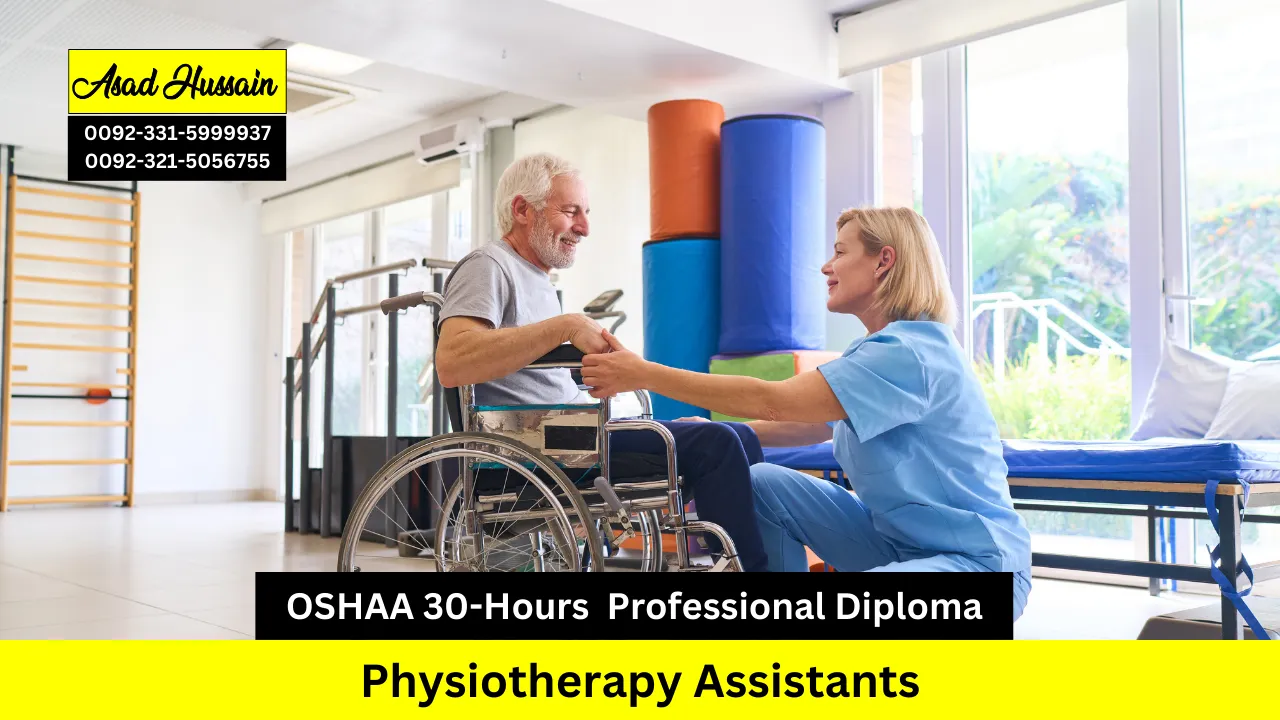
Become a Certified Expert: Professional Physiotherapy Assistant Diploma
The OSHAA 30-Hour Professional Diploma in Physiotherapy Assistants provides a comprehensive foundation for individuals eager to excel in the vital field of physical rehabilitation and patient recovery. This program is meticulously structured to equip participants with the essential anatomical knowledge and practical mobility techniques required to support licensed physiotherapists effectively. By exploring the mechanics of human movement and the principles of therapeutic exercise, students develop the clinical confidence to assist in diverse healthcare settings. This training ensures that every graduate understands the ethical and operational standards necessary to provide high-quality, compassionate care while optimizing patient safety during rehabilitative procedures.
While this specialized curriculum is an independent professional offering and is not Ofqual regulated, it maintains rigorous standards designed to meet the evolving demands of the global healthcare industry. The course focuses heavily on the hands-on application of assisting protocols, including gait training, equipment maintenance, and patient positioning strategies. You will examine the biological processes of tissue healing and the psychological aspects of recovery, learning how to motivate patients through challenging physical milestones. Completing this 30-hour intensive journey ensures you possess the specialized skills to enhance clinic efficiency and contribute meaningfully to a multidisciplinary medical team in any professional clinical environment.
OSHAA 30-Hour Professional Diploma in Physiotherapy Assistants serves as a prestigious cornerstone for your professional portfolio, validating your mastery of the supportive roles within a physical therapy practice. Achieving this credential distinguishes you as a dedicated healthcare worker capable of navigating the complexities of musculoskeletal health and patient interaction. This professional milestone also paves the way for you to pursue further certifications and diplomas in sports massage therapy, orthopedic support, or advanced geriatric rehabilitation. By securing this diploma, you are not just gaining technical expertise; you are earning a respected mark of excellence that highlights your readiness to facilitate healing and improve the lives of others.
Program Highlights
Study Units
- Introduction to Physiotherapy and the Role of the Assistant (3 hours)
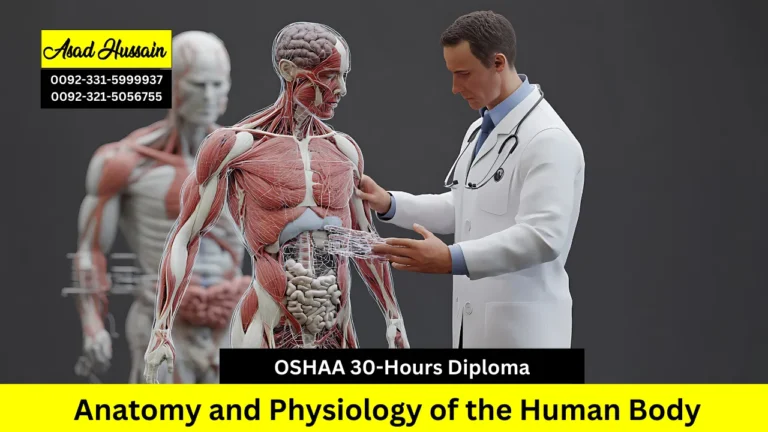
- Basic Anatomy and Physiology for Physiotherapy Practice (3 hours)
- Principles of Rehabilitation and Therapeutic Exercise (4 hours)
- Safe Patient Handling and Movement Techniques (4 hours)
- Communication Skills in Healthcare Settings (3 hours)
- Assisting with Mobility, Exercise, and Treatment Plans (3 hours)
- Understanding Common Conditions Requiring Physiotherapy (3 hours)
- Infection Prevention and Control in Clinical Environments (5 hours)
- Health and Safety in Physiotherapy Practice (2 hours)
Entry Requirements
To ensure professional excellence, the OSHAA 30-Hour Professional Diploma in Physiotherapy Assistants requires the following:
- Age & Education: 18+ years old with a High School Diploma. Preference is given to those holding a Diploma in Health and Social Care or a Certificate in Human Anatomy.
- Language: B2-level English proficiency to accurately document patient progress and understand complex medical terminology.
- Experience: 1 year in a clinical, caregiving, or fitness environment is recommended to better grasp practical rehabilitation techniques.
Meeting these benchmarks ensures you are prepared for the 30-hour curriculum and professional assessment focused on clinical support and patient recovery.
Learning Outcomes
Introduction to Physiotherapy and the Role of the Assistant (3 hours)
- Understand the scope and purpose of physiotherapy in various healthcare settings
- Identify the responsibilities and limitations of the physiotherapy assistant role
- Recognise the importance of teamwork within the multidisciplinary care environment
- Develop awareness of professional conduct and communication expectations in clinical settings
Basic Anatomy and Physiology for Physiotherapy Practice (3 hours)
- Gain knowledge of key body systems relevant to movement and rehabilitation
- Understand musculoskeletal, nervous, and circulatory systems in relation to physiotherapy
- Recognise how anatomy and physiology inform treatment planning and patient care
- Identify common physiological responses to therapeutic exercises
Principles of Rehabilitation and Therapeutic Exercise (4 hours)
- Understand the goals and stages of physical rehabilitation
- Learn core concepts such as strength, flexibility, balance, and endurance
- Assist in implementing therapeutic exercise programmes under supervision
- Promote patient engagement and motivation in the rehabilitation process
Safe Patient Handling and Movement Techniques (4 hours)
- Apply best practices for safe patient transfer, positioning, and mobility support
- Understand manual handling legislation and risk assessment procedures
- Minimise injury risk for patients and staff through proper technique
- Use mobility aids and equipment correctly and confidently
Communication Skills in Healthcare Settings (3 hours)
- Develop effective verbal and non-verbal communication techniques
- Understand the importance of active listening and empathy in patient care
- Communicate clearly with physiotherapists, patients, and other healthcare staff
- Manage challenging conversations and maintain patient confidentiality
Assisting with Mobility, Exercise, and Treatment Plans (3 hours)
- Support physiotherapists in delivering exercise routines and mobility activities
- Monitor patient responses and report observations accurately
- Encourage safe participation in treatment activities
- Adapt support based on individual needs and therapeutic goals
Understanding Common Conditions Requiring Physiotherapy (3 hours)
- Identify physical conditions commonly treated through physiotherapy, such as stroke, arthritis, and fractures
- Understand the impact of these conditions on mobility and daily living
- Recognise the role of physiotherapy in long-term condition management
- Support treatment goals specific to each condition under supervision
Infection Prevention and Control in Clinical Environments (5 hours)
- Understand key principles of infection control and hygiene in healthcare
- Apply standard precautions such as hand hygiene and PPE use
- Recognise procedures for managing infection risks and outbreaks
- Comply with workplace policies on cleanliness and cross-contamination
Health and Safety in Physiotherapy Practice (2 hours)
- Identify potential hazards in physiotherapy environments
- Understand health and safety legislation relevant to clinical practice
- Follow procedures for incident reporting and risk management
- Maintain a safe working environment for patients and staff
Target Audience
The OSHAA 30-Hour Professional Diploma in Physiotherapy Assistants is a specialized clinical program designed for individuals who aspire to play a critical role in patient rehabilitation and physical recovery within a professional medical environment.
Aspiring Healthcare and Clinical Assistants
- Individuals seeking to enter the healthcare sector without a full medical degree.
- Career changers looking for a practical pathway into physical therapy support.
- High school graduates aiming to gain a foundational clinical credential.
- Rehabilitation aides wanting to formalize their on-the-job training.
- Healthcare volunteers looking to transition into a paid professional role.
- Medical receptionists transitioning into hands-on patient care positions.
Sports and Fitness Professionals
- Personal trainers wanting to better understand injury recovery protocols.
- Sports coaches seeking to assist athletes with rehabilitative exercises.
- Gym instructors focusing on corrective movement for elderly clients.
- Yoga and Pilates teachers specializing in post-injury physical alignment.
- Athletic trainers requiring deeper knowledge of musculoskeletal support.
- Performance coaches aiming to bridge the gap between fitness and therapy.
Home Caregivers and Nursing Support Staff
- Certified Nursing Assistants (CNAs) wanting to specialize in mobility care.
- Professional nannies working with children who have physical disabilities.
- Home health aides providing long-term recovery support for the elderly.
- Palliative care workers focusing on patient comfort and positioning.
- Residential care staff managing mobility programs in assisted living facilities.
- Family caregivers seeking professional techniques for safe patient handling.
Massage and Holistic Therapists
- Remedial massage therapists aligning their practice with physiotherapy.
- Holistic practitioners seeking a scientific basis for physical rehabilitation.
- Reflexologists wanting to understand the mechanics of gait and posture.
- Sports massage specialists collaborating with clinical physiotherapy teams.
- Wellness consultants focusing on the physical aspects of body recovery.
- Manual therapists looking to enhance their anatomical and clinical knowledge.
Global Health and NGO Workers
- Medical mission volunteers assisting in physical therapy camps abroad.
- Disaster relief staff managing post-injury rehabilitation in the field.
- Community health workers promoting mobility exercises in rural areas.
- NGO coordinators managing health and wellness programs for the disabled.
- International aid workers focusing on physical accessibility initiatives.
- Field researchers studying the impact of early rehabilitation on recovery.
Occupational Health and Safety Officers
- Workplace safety leads focused on preventing musculoskeletal disorders.
- Ergonomic consultants designing healthier office and factory layouts.
- Occupational health nurses managing back-to-work rehabilitation plans.
- HR managers overseeing employee wellness and physical health programs.
- Site safety supervisors training staff on proper lifting and movement.
- Corporate wellness officers implementing movement-based stress relief.
Whether you are launching a new career in a clinic or enhancing your existing healthcare practice, this professional diploma provides the essential skills and anatomical expertise required to become a valued member of any physiotherapy team.