Boost Your Expertise through Professional Diploma in Physical and Cognitive Work
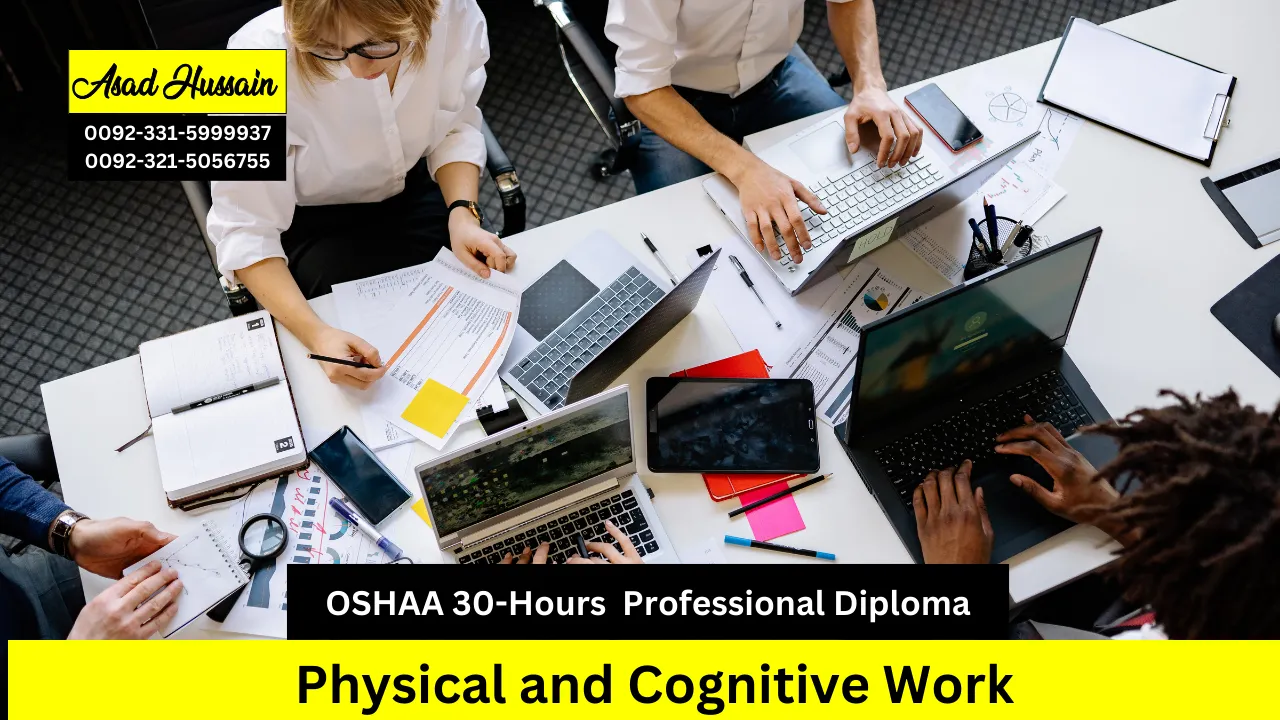
The OSHAA 30-Hours Professional Diploma in Physical and Cognitive Work is a specialized training program designed to provide learners with essential knowledge and practical skills in managing both physical and cognitive aspects of workplace performance. This course introduces participants to the fundamentals of ergonomics, mental workload, and safe practices, ensuring they understand how physical and cognitive demands affect productivity and wellbeing. With a structured 30-hour curriculum, it balances theory with practical applications, making it suitable for individuals passionate about workplace health and efficiency.
This diploma emphasizes applied learning, covering topics such as physical workload management, cognitive task analysis, stress reduction techniques, and safe handling practices. Learners will also explore professional ethics, communication strategies, and industry standards that guide effective workplace performance. By completing the program, participants gain recognition through certifications and diplomas that highlight their professional development, while building confidence to deliver safe and efficient work practices in diverse environments.
The OSHAA 30-Hours Professional Diploma in Physical and Cognitive Work serves as a valuable credential for individuals aiming to enhance their career in occupational health, safety, and workplace performance. Although not Ofqual regulated, it offers respected certifications and diplomas that demonstrate competence in managing physical and cognitive demands. With industry-relevant content and a practical approach, this program equips learners with the skills to improve workplace wellbeing and productivity, making it an excellent choice for those committed to excellence in professional environments.
Program Highlights
Study Units
- Introduction to Physical and Cognitive Work Concepts (3 Hours)
- Physiology of Physical Work and Musculoskeletal Health (4 Hours)
- Cognitive Function and Mental Workload (3 Hours)
- Ergonomics and Workplace Design for Physical and Cognitive Tasks (4 Hours)
- Stress, Fatigue, and Recovery in Work Environments (4 Hours)
- Risk Assessment and Injury Prevention Strategies (3 Hours)
- Techniques for Enhancing Concentration and Memory (3 Hours)
- Balancing Physical and Mental Demands: Work-Life Integration (3 Hours)
Entry Requirements
- Age Requirement: Applicants must be at least 18 years old to enroll in the OSHAA 30-Hours Professional Diploma in Physical and Cognitive Work. This ensures learners have the maturity and responsibility to engage with both theoretical and practical aspects of the program.
- Educational Background: A minimum of a high school level education or equivalent is preferred. Related diplomas or certificates such as Diploma in Health and Safety, Certificate in Occupational Health, or Diploma in Workplace Management can provide a stronger foundation, though they are not mandatory.
- Language Proficiency: Learners should have a good command of English, as all course materials, instructions, and assessments are delivered in this language.
- Work Experience: Previous experience in occupational health, workplace safety, or human resource management is beneficial but not required. It can help learners better understand physical workload, cognitive demands, and professional standards in workplace environments.
This diploma is designed to be accessible and inclusive, ensuring that motivated learners with diverse backgrounds can successfully participate and gain valuable certifications and diplomas in physical and cognitive work.
Learning Outcomes
Introduction to Physical and Cognitive Work Concepts (3 Hours)
- Understand the fundamental principles of physical and cognitive work
- Differentiate between physical and cognitive demands in various work settings
- Recognise the importance of balancing both types of work for optimal performance
Physiology of Physical Work and Musculoskeletal Health (4 Hours)
- Describe how physical work affects the musculoskeletal system
- Identify common injuries and disorders related to physical work
- Apply strategies to maintain musculoskeletal health and prevent injury
Cognitive Function and Mental Workload (3 Hours)
- Explain key cognitive functions involved in work tasks
- Recognise signs and effects of cognitive overload and mental fatigue
- Understand how mental workload impacts decision-making and productivity
Ergonomics and Workplace Design for Physical and Cognitive Tasks (4 Hours)
- Understand ergonomic principles for designing safe work environments
- Evaluate workplace setups to reduce physical strain and cognitive stress
- Implement ergonomic solutions tailored to physical and cognitive work demands
Stress, Fatigue, and Recovery in Work Environments (4 Hours)
- Identify causes and symptoms of stress and fatigue related to work
- Understand the physiological and psychological impact of prolonged stress
- Develop effective recovery and stress management techniques
Risk Assessment and Injury Prevention Strategies (3 Hours)
- Conduct risk assessments for physical and cognitive work tasks
- Identify hazards that contribute to injury or reduced cognitive performance
- Develop and apply prevention strategies to minimise workplace risks
Techniques for Enhancing Concentration and Memory (3 Hours)
- Learn practical methods to improve focus and cognitive function
- Apply memory enhancement techniques to support work efficiency
- Recognise factors that hinder concentration and how to mitigate them
Balancing Physical and Mental Demands: Work-Life Integration (3 Hours)
- Understand the importance of balancing physical and cognitive workload
- Develop strategies for managing work-life balance to prevent burnout
- Promote sustainable practices for long-term wellbeing in the workplace
Target Audience
The OSHAA 30-Hours Professional Diploma in Physical and Cognitive Work is designed for individuals who want to strengthen their understanding of workplace health, safety, and performance. It provides structured training for learners at different stages, equipping them with practical expertise, certifications, and diplomas that enhance both personal growth and professional credibility.
Aspiring Occupational Health Professionals
- Individuals eager to begin a career in workplace health and safety
- Learners seeking structured training in physical and cognitive workload management
- Those motivated to gain recognized certifications and diplomas
- Beginners passionate about improving workplace wellbeing
- People aiming to contribute to safer and healthier work environments
Workplace and Industry Staff
- Employees working in physically demanding industries
- Staff responsible for managing cognitive tasks and workload balance
- Professionals seeking certifications to strengthen their portfolio
- Individuals aiming to reduce risks and improve efficiency in their roles
- Team members committed to promoting safe and sustainable practices
Healthcare and Safety Practitioners
- Occupational health specialists looking to expand their expertise
- Safety officers aiming to improve risk assessment and injury prevention
- Professionals interested in stress management and recovery techniques
- Practitioners supporting musculoskeletal health in workplace settings
- Consultants advising organizations on ergonomic and cognitive solutions
Students with Related Backgrounds
- Learners holding diplomas in Health and Safety or Occupational Health
- Certificate holders in Workplace Management or Ergonomics
- Students combining prior knowledge with practical training
- Individuals motivated to broaden their expertise in physical and cognitive work
- Those seeking certifications and diplomas to enhance employability
Managers and Supervisors
- Leaders overseeing workplace operations and staff wellbeing
- Supervisors ensuring adherence to safety and ethical standards
- Managers responsible for training staff in physical and cognitive practices
- Coordinators aiming to improve workflow and reduce fatigue
- Professionals promoting sustainable work-life balance in organizations
Personal Development Enthusiasts
- Individuals passionate about learning workplace health practices for self-growth
- Learners motivated to adopt safe physical workload strategies
- People interested in enhancing concentration and memory techniques
- Those wanting to improve stress management and recovery skills
- Enthusiasts eager to gain certifications and diplomas in occupational health
This diploma is ideal for anyone committed to advancing their expertise in workplace health and performance, offering practical training and respected certifications that support both personal development and professional success.