Master Compassionate Care: Advance Your Nursing Career with the PCC Diploma
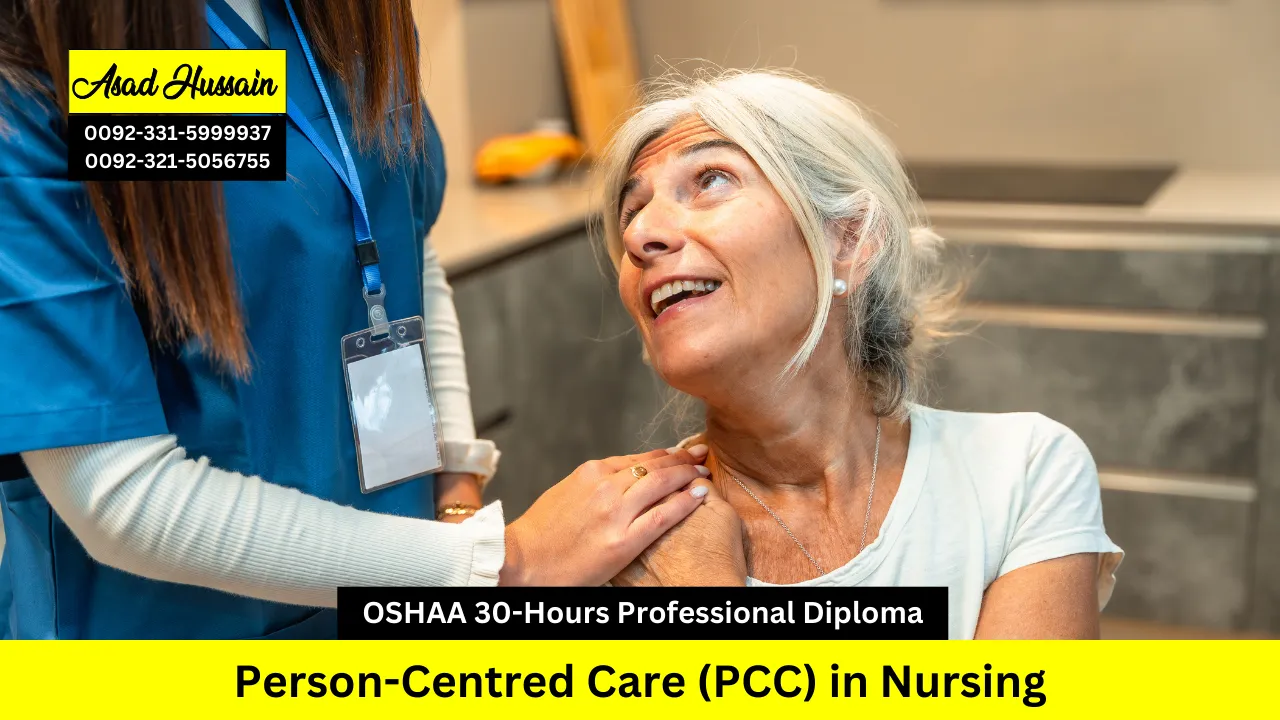
Master the essential principles of compassionate healthcare with the OSHAA 30-Hour Professional Diploma in Person-Centred Care (PCC) in Nursing. This comprehensive program is designed to provide nursing professionals and clinical staff with a profound understanding of the humanistic approach to medical treatment. Participants will explore vital topics such as dignity-based communication, shared decision-making, and the psychological impact of hospitalization. By focusing on the unique needs and values of each individual, the curriculum ensures that every practitioner builds the professional confidence needed to advocate for patients effectively. This course serves as a vital resource for sharpening overall clinical empathy and care quality.
The curriculum places a heavy emphasis on modern advocacy standards and the high-level technical efficiency required in a fast-paced clinical environment. Throughout the 30-hour duration, you will examine critical engagement protocols and safety measures that protect both the patient’s autonomy and the healthcare provider’s professional integrity. Detailed modules cover the integration of family-centered care, cultural competency, and the art of professional listening to enhance the overall healing experience. By integrating industry-best practices with modern nursing ethics, the program prepares individuals to meet the rigorous demands of the global healthcare sector. This training is ideal for those seeking to provide superior, individualized support.
OSHAA 30-Hour Professional Diploma in Person-Centred Care (PCC) in Nursing serves as a definitive benchmark for professional excellence and technical mastery in the field of clinical advocacy. Completion of this program signifies a dedicated commitment to professional development and high-level competency in fostering therapeutic relationships. While this specific training is not regulated by Ofqual, it provides a specialized alternative for those seeking industry-specific recognition through various other further certifications and diplomas. Professionals will exit the program with a refined skill set, ready to implement advanced person-centred strategies immediately. This diploma is an essential asset for building a diverse professional portfolio in modern nursing.
Program Highlights
Study Units
- Introduction to Person-Centred Care (3 hours)
- Principles and Frameworks of Person-Centred Care (3 hours)
- Effective Communication in Person-Centred Care (4 hours)
- Cultural Competency and Sensitivity in Nursing (5 hours)
- Building Trust and Rapport with Patients (5 hours)
- Ethical Considerations in Person-Centred Care (5 hours)
- Patient Empowerment and Shared Decision-Making (2 hours)
- Assessing and Evaluating Patient Satisfaction and Outcomes (3 hours)
Entry Requirements
To ensure high-level technical engagement with clinical advocacy and patient-centred protocols, candidates must meet the following baseline criteria:
- Age Requirements: Applicants must be at least 18 years of age to qualify for professional certification and to manage the complexities of modern patient-centred care.
- Educational Background: A secondary school certificate is required. Preference is given to those holding further certifications and diplomas in Nursing, Social Work, or Healthcare Management.
- Language Proficiency: Strong English skills are essential for accurately documenting patient preferences, interpreting ethical guidelines, and communicating complex care plans to families.
- Work Experience: Prior experience in a clinical setting, care home, or community health environment is highly recommended to provide a practical foundation for the communication modules.
Adhering to these entry standards ensures a professional training environment and prepares graduates to effectively champion individual patient rights and elevate the quality of healthcare delivery.
Learning Outcomes
Introduction to Person-Centred Care (3 Hours)
- Understand the core concepts and the fundamental importance of person-centred care (PCC) within the modern nursing landscape.
- Identify the key components that define professional person-centred approaches to healthcare delivery and patient advocacy.
- Recognize the tangible benefits of PCC for patients, family support networks, and the overall efficiency of healthcare providers.
- Study the transition from traditional paternalistic medicine to a holistic, partnership-based model of care.
Principles and Frameworks of Person-Centred Care (3 Hours)
- Examine the essential ethical and clinical principles that guide person-centred care practices in diverse medical settings.
- Understand various global frameworks and models of PCC, such as the VIPS model and the Enriched Model of Care.
- Identify how these theoretical frameworks can be practically applied to daily nursing routines to improve service quality.
- Analyze the impact of organizational culture on the successful implementation of person-centred values.
Effective Communication in Person-Centred Care (4 Hours)
- Develop advanced skills for effective, two-way communication with patients using a professional person-centred methodology.
- Learn how to utilize active listening techniques and respond empathetically to the expressed and unexpressed needs of patients.
- Understand the critical importance of clear, compassionate communication in building long-term clinical trust and psychological safety.
- Explore strategies to overcome communication barriers such as health illiteracy, cognitive impairment, or emotional distress.
Cultural Competency and Sensitivity in Nursing (5 Hours)
- Recognize the profound impact that diverse cultural backgrounds, beliefs, and values have on healthcare delivery and patient compliance.
- Gain deep insights into the concept of cultural competence and its direct relevance to modern, inclusive nursing practice.
- Develop practical strategies for providing culturally sensitive care that respects patient diversity while maintaining clinical standards.
- Examine the role of implicit bias and how to mitigate its effects during patient assessment and treatment planning.
Building Trust and Rapport with Patients (5 Hours)
- Learn the professional techniques required to build and maintain trust with patients through consistent communication and reliable actions.
- Identify the central roles of empathy, mutual respect, and genuine understanding in the rapport-building process.
- Understand the non-negotiable importance of confidentiality and the maintenance of professional boundaries in fostering a secure environment.
- Study the “Therapeutic Use of Self” as a tool for enhancing the nurse-patient relationship.
Ethical Considerations in Person-Centred Care (5 Hours)
- Explore the core ethical principles underpinning person-centred care, specifically focusing on patient autonomy, beneficence, and non-maleficence.
- Discuss complex ethical dilemmas commonly encountered in nursing practice when balancing patient wishes with clinical safety.
- Apply recognized ethical decision-making frameworks to real-life clinical scenarios to reach balanced, person-centred conclusions.
- Analyze the legal implications of informed consent and the right to refuse treatment within a PCC context.
Patient Empowerment and Shared Decision-Making (2 Hours)
- Understand the concept of patient empowerment and its transformative role in improving health outcomes and self-management.
- Learn how to facilitate shared decision-making processes between healthcare providers, patients, and their designated advocates.
- Develop the clinical skills necessary to support patients in making truly informed choices about their diagnostic and treatment pathways.
- Explore tools such as “Patient Decision Aids” to help individuals navigate complex medical options.
Assessing and Evaluating Patient Satisfaction (3 Hours)
- Learn how to accurately assess and measure patient satisfaction using validated qualitative and quantitative clinical tools.
- Understand how to evaluate the overall effectiveness of person-centred approaches within a nursing unit or healthcare facility.
- Develop skills in translating patient feedback and “lived experience” data into actionable improvements for care delivery and safety outcomes.
- Study the correlation between high patient satisfaction scores and improved physiological recovery rates.
Target Audience
This training is tailored for healthcare professionals and support staff dedicated to prioritizing patient dignity and enhancing the quality of care through compassionate, evidence-based practices.
Nursing and Clinical Staff
- Registered nurses seeking deeper empathetic practice.
- Clinical assistants focused on patient dignity.
- Staff transitioning to patient-focused units.
- Nurses building trust with patient families.
- Practitioners wanting to reduce clinical stigma.
- Caretakers improving routine patient interactions.
Care Home Professionals
- Aides wanting to improve resident comfort.
- Supervisors implementing empathy protocols.
- Support staff handling complex behavioral needs.
- Caregivers focused on mental well-being.
- Professionals fostering independence in elders.
- Personnel dedicated to personalized lifestyle care.
Public Health Advocates
- Advocates leading community wellness programs.
- Educators promoting inclusive healthcare access.
- Workers bridging communication gaps for diverse groups.
- Officers designing equitable patient feedback systems.
- Specialists focused on marginalized populations.
- Volunteers supporting community-wide health rights.
Healthcare Managers
- Administrators improving patient experience metrics.
- Leads developing staff communication guidelines.
- Quality officers auditing care standards.
- Supervisors managing conflict in clinical wards.
- Managers fostering patient empowerment cultures.
- Directors implementing facility-wide care changes.
Social Workers
- Counselors supporting patient autonomy.
- Staff navigating complex ethical dilemmas.
- Workers facilitating shared decision-making processes.
- Professionals protecting vulnerable patient rights.
- Coordinators aligning care with patient goals.
- Advocates managing patient-family mediation.
This program ensures that all graduates are equipped with the refined skills necessary to transform clinical environments into truly person-centred spaces.