Become a Certified Care Coordinator: Professional Diploma
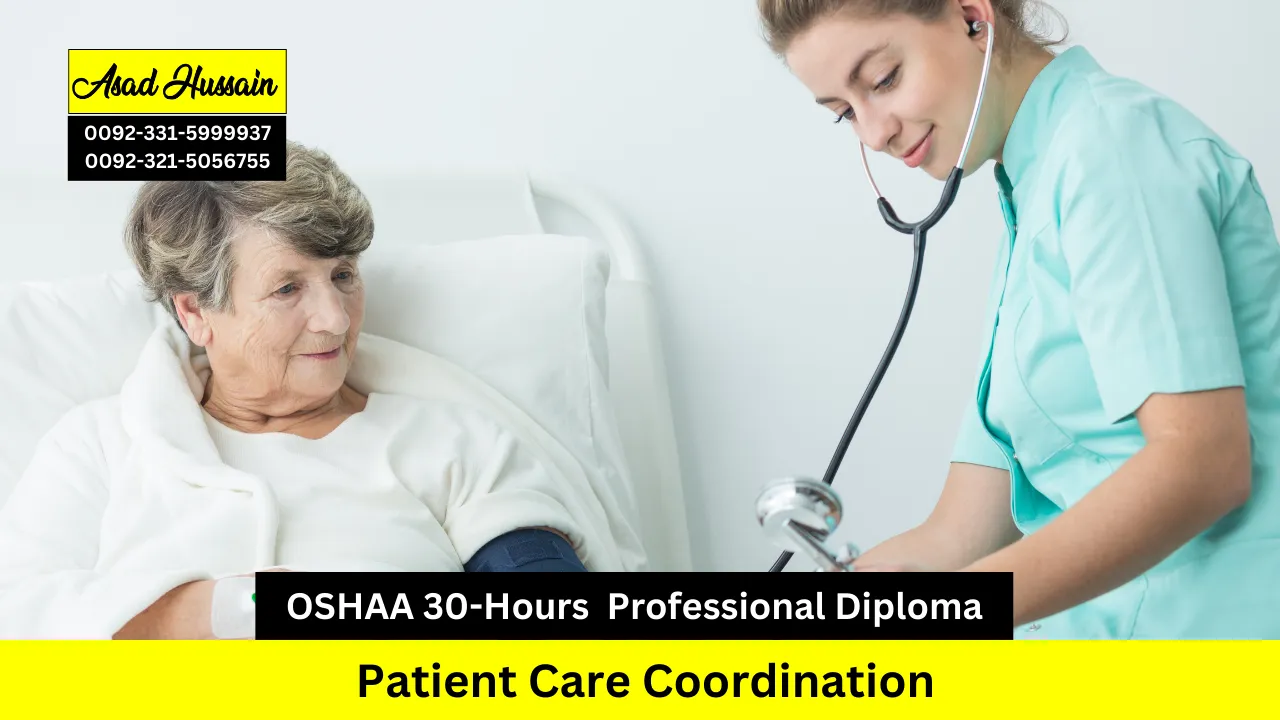
The OSHAA 30-Hour Professional Diploma in Patient Care Coordination provides a comprehensive framework for managing the complex journey of patients through the modern healthcare system. This program is expertly designed for clinical leads and administrative professionals who seek to master the art of seamless care transitions and interdisciplinary communication. By analyzing the critical pathways between primary care, specialized treatment, and home-based recovery, participants gain the practical insights necessary to reduce medical errors and improve patient satisfaction. This training equips you with the essential tools to advocate for patient needs, ensuring that you can navigate multifaceted healthcare environments with the organizational precision required to deliver high-quality, continuous care.
While this specialized curriculum is an independent professional offering and is not Ofqual regulated, it maintains rigorous standards that reflect global best practices in health administration and case management. The course focuses heavily on the practical application of population health management, highlighting how to utilize digital health records and triage protocols to streamline clinical workflows. You will examine the role of social determinants of health, the nuances of insurance verification, and the strategies required to implement effective discharge planning in both hospital and community settings. Completing this 30-hour intensive journey ensures you possess the specialized skills to coordinate complex medical schedules and provide authoritative support within any multi-provider healthcare network.
OSHAA 30-Hour Professional Diploma in Patient Care Coordination serves as a prestigious cornerstone for your professional portfolio, validating your mastery of the leadership and logistics required for modern healthcare delivery. Achieving this credential distinguishes you as a dedicated expert capable of managing resource allocation and enhancing the patient experience with administrative precision. This professional milestone also paves the way for you to pursue further certifications and diplomas in healthcare management, clinical risk assessment, or advanced patient advocacy and medical office administration. By securing this diploma, you are not just gaining theoretical knowledge; you are earning a respected mark of excellence that highlights your readiness to lead integrated care teams and optimize organizational efficiency.
Program Highlights
Study Units
- Introduction to Patient Care Coordination and Healthcare Systems (3 hours)
- Roles and Responsibilities of a Care Coordinator (3 hours)
- Effective Communication with Patients, Families, and Health Professionals (4 hours)
- Understanding Patient Pathways and Continuity of Care (3 hours)
- Managing Appointments, Referrals, and Follow-Ups (3 hours)
- Navigating Electronic Health Records and Healthcare Technology (3 hours)
- Legal, Ethical, and Confidentiality Principles in Care Coordination (5 hours)
- Coordinating Care Across Multiple Services and Providers (3 hours)
- Supporting Patients with Complex or Chronic Conditions (3 hours)
Entry Requirements
To ensure professional excellence, the OSHAA 30-Hour Professional Diploma in Patient Care Coordination requires the following:
- Age & Education: 18+ years old with a High School Diploma. Preference is given to those holding a Diploma in Health Administration, a Certificate in Nursing, or a Level 3 Award in Health and Social Care.
- Language: B2-level English proficiency to accurately manage medical terminology, coordinate between interdisciplinary teams, and document complex patient care plans.
- Experience: 1 year in a clinical, administrative, or community care environment is recommended to effectively apply coordination strategies to real-world healthcare workflows.
Meeting these benchmarks ensures you are prepared for the 30-hour curriculum and professional assessment focused on patient advocacy and integrated care management.
Learning Outcomes
Introduction to Patient Care Coordination and Healthcare Systems
- Understand the fundamentals and objectives of patient care coordination.
- Gain insight into the structure and function of healthcare systems.
- Recognise the importance of integrated care in improving patient outcomes.
Roles and Responsibilities of a Care Coordinator
- Identify key duties and scope of practice for care coordinators.
- Learn how care coordinators contribute to multidisciplinary teams.
- Understand the skills required to effectively support patient journeys.
Effective Communication with Patients, Families, and Health Professionals
- Develop techniques for clear, compassionate communication.
- Learn how to navigate sensitive conversations and manage expectations.
- Strengthen collaboration with healthcare professionals and support networks.
Understanding Patient Pathways and Continuity of Care
- Map patient care pathways across different settings and services.
- Understand the value of consistent and continuous care provision.
- Identify potential disruptions in care and strategies to mitigate them.
Managing Appointments, Referrals, and Follow-Ups
- Learn to efficiently coordinate and schedule patient care services.
- Understand referral processes within healthcare systems.
- Develop organisational strategies for effective follow-up procedures.
Navigating Electronic Health Records and Healthcare Technology
- Gain familiarity with electronic health records and digital platforms.
- Understand the role of technology in streamlining patient coordination.
- Learn best practices for maintaining accurate and confidential records.
Legal, Ethical, and Confidentiality Principles in Care Coordination
- Understand legal responsibilities and regulatory frameworks in healthcare.
- Apply ethical decision-making in diverse patient scenarios.
- Learn to protect patient confidentiality and data in line with GDPR and other standards.
Coordinating Care Across Multiple Services and Providers
- Develop skills to liaise between hospitals, clinics, social care, and community services.
- Understand challenges in multi-agency care and strategies for collaboration.
- Learn to advocate for patient needs across care networks.
Supporting Patients with Complex or Chronic Conditions
- Understand the unique coordination needs of patients with long-term conditions.
- Learn to develop personalised care plans and provide ongoing support.
- Recognise the role of emotional and psychosocial support in complex care scenarios
Target Audience
The OSHAA 30-Hour Professional Diploma in Patient Care Coordination is an advanced program designed for healthcare professionals and administrative leaders who are committed to bridging the gaps in the medical journey, ensuring that every patient receives seamless, integrated, and high-quality care.
Registered Nurses and Clinical Leads
- Senior nurses transitioning into case management or administrative leadership roles.
- Clinical department leads responsible for managing interdisciplinary team communications.
- Charge nurses seeking to improve patient flow and discharge efficiency within hospital wards.
- Specialized nursing staff focusing on chronic disease management and long-term care plans.
- Nurse educators training frontline staff on patient advocacy and care continuity protocols.
- Community health nurses coordinating between home-based care and outpatient facilities.
Healthcare Administrators and Managers
- Hospital administrators looking to optimize resource allocation and clinical workflows.
- Medical office managers overseeing the logistics of multi-specialty healthcare clinics.
- Operations managers in private healthcare groups aiming to reduce medical errors through coordination.
- Health service managers focusing on improving patient satisfaction and hospital performance metrics.
- Quality assurance officers monitoring the effectiveness of clinical transition protocols.
- Executive assistants in healthcare settings managing complex patient scheduling and referrals.
Social Workers and Patient Advocates
- Clinical social workers managing the psychosocial aspects of patient recovery and transitions.
- Patient advocates dedicated to ensuring vulnerable populations navigate the health system safely.
- Geriatric care managers coordinating the multifaceted needs of elderly patients.
- Mental health case managers aligning psychiatric services with primary medical care.
- Disability support coordinators helping clients access specialized therapeutic services.
- Rehabilitation counselors assisting patients in their transition from hospital to home-based life.
Insurance and Managed Care Professionals
- Case managers working for insurance providers to authorize and coordinate necessary treatments.
- Claims reviewers seeking a deeper understanding of clinical pathways and medical necessity.
- Utilization review nurses evaluating the efficiency of care delivery in managed care organizations.
- Policy analysts developing frameworks for integrated care and population health management.
- Health insurance brokers needing to understand the care coordination landscape for client advisory.
- Wellness coordinators for corporate health plans managing employee health interventions.
Public Health and NGO Personnel
- Public health officers designing community-wide interventions for chronic illness management.
- NGO project coordinators managing healthcare delivery in underserved or rural areas.
- International health mission leads organizing care transitions in crisis environments.
- Health educators focused on improving health literacy and patient self-management skills.
- Research assistants studying the impact of care coordination on community health outcomes.
- Outreach workers connecting marginalized groups with essential medical and social services.
Medical Support and Allied Health Staff
- Medical assistants looking to take on higher levels of responsibility in patient navigation.
- Pharmacy technicians coordinating medication reconciliation during patient transitions.
- Physical and occupational therapists aligning their treatment plans with the broader care team.
- Health informatics specialists ensuring data accuracy across care coordination software.
- Triage officers managing the initial intake and direction of patients in urgent care settings.
- Patient experience officers focusing on the communicative aspects of the care journey.
Whether you are working at the bedside or in the boardroom, this professional diploma provides the strategic framework and practical skills necessary to lead high-performing teams and ensure that no patient is ever lost in the transition between care settings.