Professional Diploma in Panic Attacks – Learn Proven Strategies for Anxiety Control and Emotional Resilience
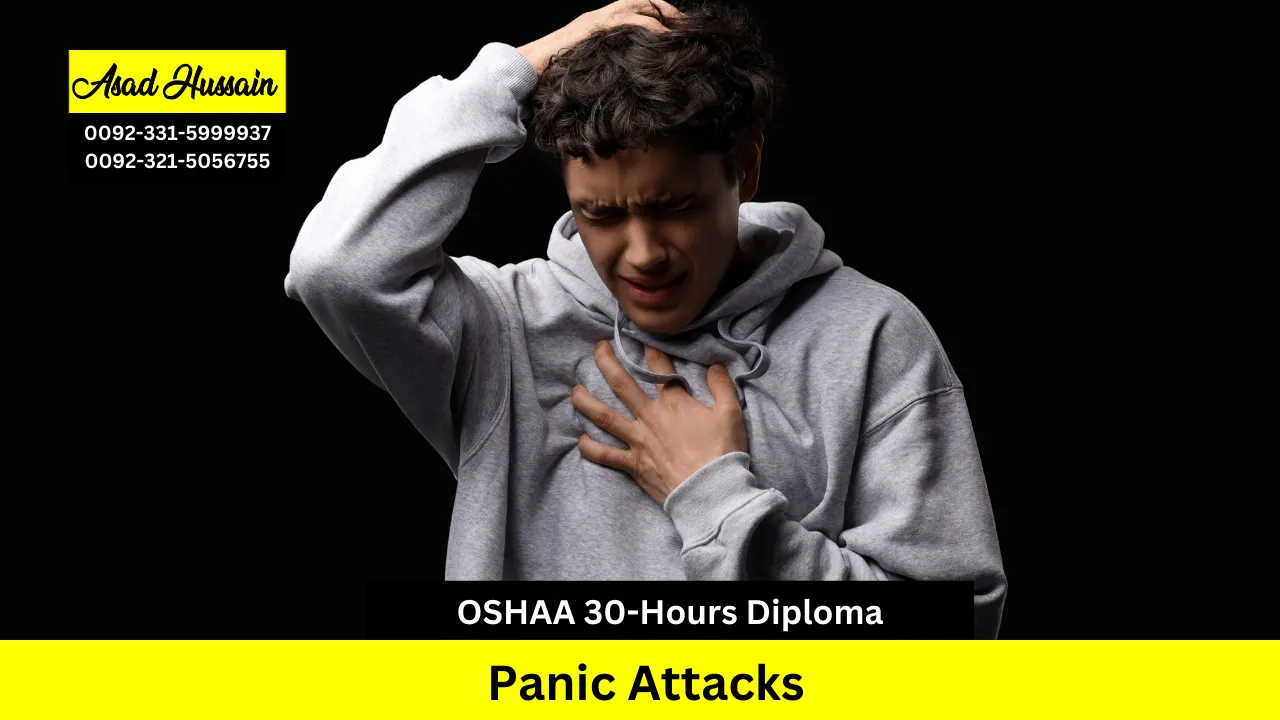
The OSHAA 30-Hours Professional Diploma in Panic Attacks provides a comprehensive exploration of anxiety disorders, focusing specifically on the identification, management, and support strategies for individuals experiencing panic attacks. Participants will gain an understanding of the physiological, psychological, and emotional aspects of panic, as well as the triggers and symptoms commonly associated with these episodes. The course emphasises evidence-based techniques and practical approaches, ensuring learners can confidently apply their knowledge in real-life situations. With interactive lessons and case studies, students develop the skills necessary to respond effectively and sensitively to those affected.
Learners will explore the psychological mechanisms underlying panic attacks, including stress responses, cognitive patterns, and emotional regulation. The course also addresses lifestyle, environmental, and social factors that may contribute to heightened anxiety, equipping participants to recognise early warning signs and intervene appropriately. Through a mix of theoretical frameworks and practical exercises, participants will understand the importance of empathy, active listening, and personalised strategies in supporting individuals during panic episodes. The course provides tools to foster resilience and emotional wellbeing, ensuring participants can make a tangible difference in both personal and professional contexts.
OSHAA 30-Hours Professional Diploma in Panic Attacks is designed to empower professionals and caregivers with specialised knowledge and actionable skills in anxiety management. Participants will gain practical insights into crisis response, coping strategies, and long-term support techniques for those prone to panic attacks. The course also highlights the importance of mental health awareness, effective communication, and multidisciplinary collaboration in supporting individuals. By the end of the program, learners will be equipped to confidently apply intervention strategies, enhance wellbeing, and contribute to safer, more understanding environments for people experiencing panic attacks.
Program Highlights
Study Units
- Introduction to Panic Attacks and Anxiety Disorders (3 hours)
- Biological and Psychological Mechanisms of Panic (5 hours)
- Identifying Triggers, Patterns, and Risk Factors (4 hours)
- Acute Panic Episode: Signs, Symptoms, and Immediate Response (4 hours)
- Long-Term Management Strategies and Recovery Planning (3 hours)
- Cognitive Behavioural Approaches to Panic Disorder (4 hours)
- Breathing Techniques and Grounding Methods for Symptom Control (3 hours)
- The Impact of Panic Attacks on Daily Life and Functioning (4 hours)
To enrol in the OSHAA 30-Hours Professional Diploma in Panic Attacks, participants should meet the following entry requirements to ensure they can fully engage with the course content and apply the learning effectively:
- Age Requirement: Participants should be at least 18 years old to ensure maturity in handling sensitive mental health topics and applying intervention strategies responsibly.
- Educational Background: A minimum of a high school diploma or equivalent is recommended. Prior knowledge or experience in healthcare, psychology, social work, counselling, or mental health-related fields can be advantageous. Related certifications such as a Diploma in Counselling, Mental Health Awareness, First Aid, or Psychology Foundations are considered relevant.
- Language Proficiency: Participants should have a good command of English, both written and spoken, to understand course materials, engage in discussions, and complete assessments effectively.
- Work Experience: While prior professional experience in healthcare, social care, or mental health settings is not mandatory, it is highly beneficial. Experience dealing with individuals in stressful or clinical situations can enhance practical understanding of the course topics.
This combination of age, educational background, language proficiency, and relevant experience ensures that learners are well-prepared to gain maximum benefit from the OSHAA 30-Hours Professional Diploma in Panic Attacks and apply the knowledge in professional or supportive contexts confidently..
Learning Outcomes
Introduction to Panic Attacks and Anxiety Disorders (3 hours)
- Understand the definitions and classifications of panic attacks and anxiety disorders
- Distinguish between general anxiety and panic-related conditions
- Recognise the prevalence and social impact of panic disorders
- Gain insight into the diagnostic criteria and progression of symptoms
Biological and Psychological Mechanisms of Panic (5 hours)
- Understand the role of the autonomic nervous system in panic responses
- Explore the influence of brain chemistry and hormonal responses on panic
- Examine psychological models explaining panic, including fear conditioning
- Recognise the interplay between thoughts, emotions, and physical symptoms
Identifying Triggers, Patterns, and Risk Factors (4 hours)
- Identify common internal and external triggers for panic attacks
- Analyse behavioural patterns and cycles that sustain panic disorders
- Understand genetic, environmental, and lifestyle-related risk factors
- Apply techniques for early recognition and personal trigger mapping
Acute Panic Episode: Signs, Symptoms, and Immediate Response (4 hours)
- Recognise the key physiological and behavioural symptoms of a panic attack
- Learn how to respond effectively during a panic episode
- Apply de-escalation techniques to provide reassurance and stability
- Ensure safety while maintaining clear communication and support
Long-Term Management Strategies and Recovery Planning (3 hours)
- Explore holistic and lifestyle-based approaches to long-term recovery
- Understand the importance of routine, structure, and healthy habits
- Develop personalised support plans for ongoing anxiety management
- Learn to measure progress and adjust strategies over time
Cognitive Behavioural Approaches to Panic Disorder (4 hours)
- Understand core principles of cognitive behavioural therapy (CBT)
- Apply thought-challenging and reframing techniques to manage panic
- Use behavioural experiments to reduce avoidance behaviours
- Support the development of healthier thought patterns and coping skills
Breathing Techniques and Grounding Methods for Symptom Control (3 hours)
- Practise evidence-based breathing exercises for calming the nervous system
- Learn grounding techniques to reduce dissociation and regain focus
- Apply these methods in both clinical and everyday environments
- Teach clients how to integrate these tools into their daily routines
The Impact of Panic Attacks on Daily Life and Functioning (4 hours)
- Recognise how panic attacks affect relationships, work, and social life
- Understand the emotional consequences such as shame, fear, and isolation
- Support clients in regaining confidence and independence
- Identify resources for ongoing support and integration into daily life
Target Audience
This course is designed for individuals seeking to understand, manage, and support those affected by panic attacks and anxiety disorders. It is ideal for both professionals and caregivers who wish to enhance their practical knowledge and intervention skills.
Mental Health Professionals
- Psychologists, counsellors, and therapists aiming to expand practical skills
- Social workers working with anxiety-prone clients
- Professionals providing emotional support in clinical or community settings
- Those involved in designing mental health programs or interventions
- Practitioners seeking to implement evidence-based strategies for anxiety management
Healthcare Practitioners
- Nurses and general practitioners who encounter panic-related cases
- Emergency responders handling acute panic episodes
- Occupational health staff supporting employees with anxiety disorders
- Physiotherapists and allied health professionals monitoring stress-related conditions
- Health coaches providing holistic wellbeing guidance
Caregivers and Support Workers
- Family members caring for loved ones with panic or anxiety disorders
- Home health aides assisting clients with mental health challenges
- Residential care staff managing emotional wellbeing of residents
- Volunteers in support programs or crisis helplines
- Educators and youth workers supporting anxious children and adolescents
Individuals Experiencing Panic or Anxiety
- Adults seeking self-help techniques for panic control
- Students or professionals looking to improve coping strategies
- People aiming to understand triggers and reduce symptom recurrence
- Those interested in lifestyle, cognitive, and behavioural approaches to anxiety
- Individuals wanting structured guidance on daily anxiety management
Workplace and Community Leaders
- HR professionals implementing mental health support at work
- Team leaders supporting employees with anxiety-related challenges
- Program coordinators running wellness or resilience programs
- Community organisers educating on mental health awareness
- Managers seeking to create supportive and inclusive environments
This course provides essential knowledge and practical strategies for anyone looking to understand, manage, and effectively support those affected by panic attacks in diverse personal, professional, and community settings.