Learn Efficient Medical Coding and Compliance with the Professional Diploma
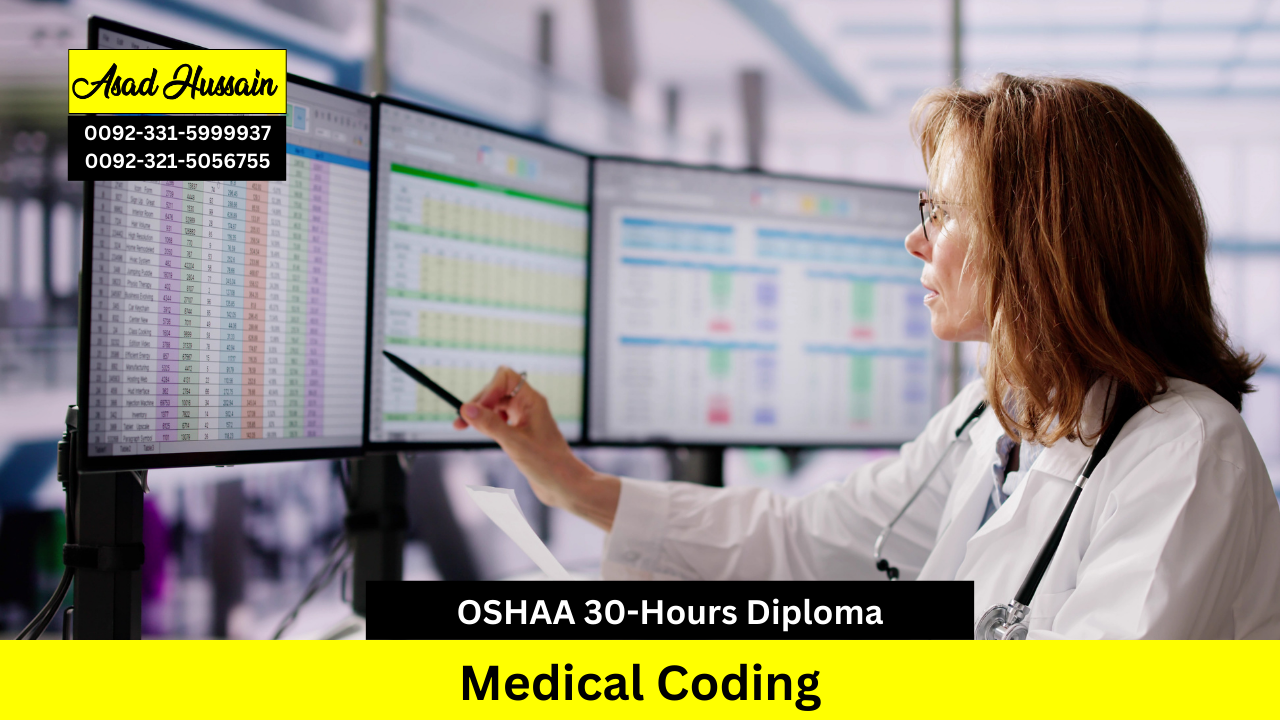
The OSHAA 30-Hours Professional Diploma in Medical Coding is designed to provide learners with a comprehensive understanding of medical coding practices and health information management. Participants will gain insight into coding systems, classification standards, and regulatory compliance requirements. The course highlights the importance of accuracy, data integrity, and confidentiality in handling patient health records, ensuring that learners can confidently navigate the complexities of healthcare documentation.
Learners will explore the practical application of medical coding across various healthcare settings, including hospitals, clinics, and insurance organisations. The course covers procedures for assigning codes to diagnoses, treatments, and medical services, while also introducing best practices in record-keeping, auditing, and claims processing. Real-world examples and exercises enable participants to develop critical thinking and problem-solving skills necessary for professional coding tasks.
OSHAA 30-Hours Professional Diploma in Medical Coding equips learners with recognised certifications and diplomas that validate both practical skills and theoretical knowledge in the field. The programme prepares participants to accurately code medical information, manage patient records efficiently, and contribute effectively to healthcare administration. It is ideal for aspiring medical coders, health information officers, and professionals aiming to strengthen their credentials in healthcare documentation and compliance.
Program Highlights
Study Units
- Introduction to Medical Coding and Healthcare Documentation (3 hours)
- Medical Terminology and Abbreviations in Coding Context (4 hours)
- Anatomy and Physiology for Accurate Coding (4 hours)
- ICD Coding System: Structure, Application, and Updates (4 hours)
- CPT and HCPCS Coding Standards (5 hours)
- Diagnosis and Procedure Coding Guidelines (5 hours)
- Health Records Review and Clinical Documentation Analysis (3 hours)
- Insurance Processes and Claims Management (2 hours)
The entry requirements for the OSHAA 30-Hours Professional Diploma in Medical Coding ensure that learners are well-prepared to engage with the course content and apply medical coding principles effectively.
- Age Requirement: Learners should be at least 18 years old to enrol, ensuring adequate maturity for understanding healthcare processes and coding regulations.
- Educational Background: A minimum of secondary education or equivalent is recommended. Individuals with prior diplomas or certificates in health information management, medical administration, healthcare support, or related fields will benefit from an enhanced understanding of coding concepts.
- Language Proficiency: Participants should possess a functional level of English, as all course materials, instructions, and assessments are delivered in English.
- Work Experience: Prior work experience is not mandatory, but healthcare staff, medical assistants, administrative personnel, and students in health sciences or allied professions will find the practical applications especially relevant.
Overall, these entry requirements ensure that learners enrolling in the OSHAA 30-Hours Professional Diploma in Medical Coding are equipped to develop recognised certifications, strengthen their professional skills, and contribute confidently to healthcare documentation and administration
Learning Outcomes
Introduction to Medical Coding and Healthcare Documentation (3 hours)
- Understand the purpose and importance of medical coding in healthcare systems
- Recognise the role of accurate documentation in supporting coding and billing
- Identify key components of clinical documentation relevant to coding processes
Medical Terminology and Abbreviations in Coding Context (4 hours)
- Interpret commonly used medical terms and abbreviations across body systems
- Apply terminology knowledge to support accurate code selection
- Recognise medical prefixes, suffixes, and root words used in healthcare records
Anatomy and Physiology for Accurate Coding (4 hours)
- Identify major body systems and their functions relevant to coding
- Relate anatomical knowledge to clinical diagnoses and procedures
- Support precise coding decisions using an understanding of body structures
ICD Coding System: Structure, Application, and Updates (4 hours)
- Understand the structure and function of the ICD coding system
- Accurately apply ICD codes to various diagnoses
- Stay informed on updates and revisions in the ICD system
CPT and HCPCS Coding Standards (5 hours)
- Distinguish between CPT and HCPCS code sets and their purposes
- Assign appropriate codes to procedures, services, and supplies
- Apply coding rules and conventions for outpatient services
Diagnosis and Procedure Coding Guidelines (5 hours)
- Follow official guidelines for sequencing and assigning codes
- Apply coding standards for complex or multiple conditions
- Ensure compliance with documentation and audit requirements
Health Records Review and Clinical Documentation Analysis (3 hours)
- Extract coding-relevant information from health records
- Evaluate documentation quality to support accurate coding
- Identify inconsistencies or gaps that affect code assignment
Insurance Processes and Claims Management (2 hours)
- Understand the link between coding, billing, and insurance claims
- Recognise common claim errors and how to prevent them
- Apply knowledge of coding to support reimbursement and claims processing
Target Audience
This course is designed for individuals who want to gain practical skills and recognised certification in medical coding, healthcare documentation, and claims management. It is ideal for those seeking to enter or advance in the healthcare administration and health information management fields.
Aspiring Medical Coders
- Learn accurate coding for diagnoses and procedures
- Understand ICD, CPT, and HCPCS coding systems
- Develop competency in health record analysis
- Gain skills in claims processing and reimbursement
- Build a strong foundation for professional coding roles
Healthcare Administrative Professionals
- Improve documentation accuracy in clinical settings
- Support billing and insurance claim processes effectively
- Apply coding knowledge to maintain regulatory compliance
- Enhance efficiency in patient record management
- Strengthen professional credibility with certification
Clinical Support Staff
- Understand the link between clinical documentation and coding
- Learn to identify coding-relevant information from health records
- Support physicians and healthcare teams in accurate data entry
- Apply coding principles to improve workflow and reduce errors
- Gain confidence in compliance and documentation standards
Students and Graduates in Health Sciences
- Complement academic knowledge with practical coding skills
- Acquire a recognised certification to boost employability
- Develop expertise in coding, documentation, and claims
- Learn to navigate coding software and tools effectively
- Prepare for roles in hospitals, clinics, and insurance sectors
Professionals Seeking Career Advancement
- Strengthen credentials in health information management
- Acquire practical skills for higher-level administrative or coding roles
- Improve understanding of medical terminology and anatomy
- Gain expertise in regulatory compliance and audit requirements
- Position yourself for growth in healthcare and insurance industries
Educators and Trainers in Healthcare
- Learn to teach coding principles and documentation standards
- Incorporate practical examples and case studies into training
- Develop strategies to assess learners’ coding accuracy
- Promote best practices and ethical handling of patient records
- Enhance your professional portfolio with recognised certification
Overall, the OSHAA 30-Hours Professional Diploma in Medical Coding equips learners with practical skills, recognised certification, and confidence to excel in medical coding, healthcare documentation, and administrative roles.