Elevate Wellbeing and Positivity with Professional Diploma in Laughter Therapy
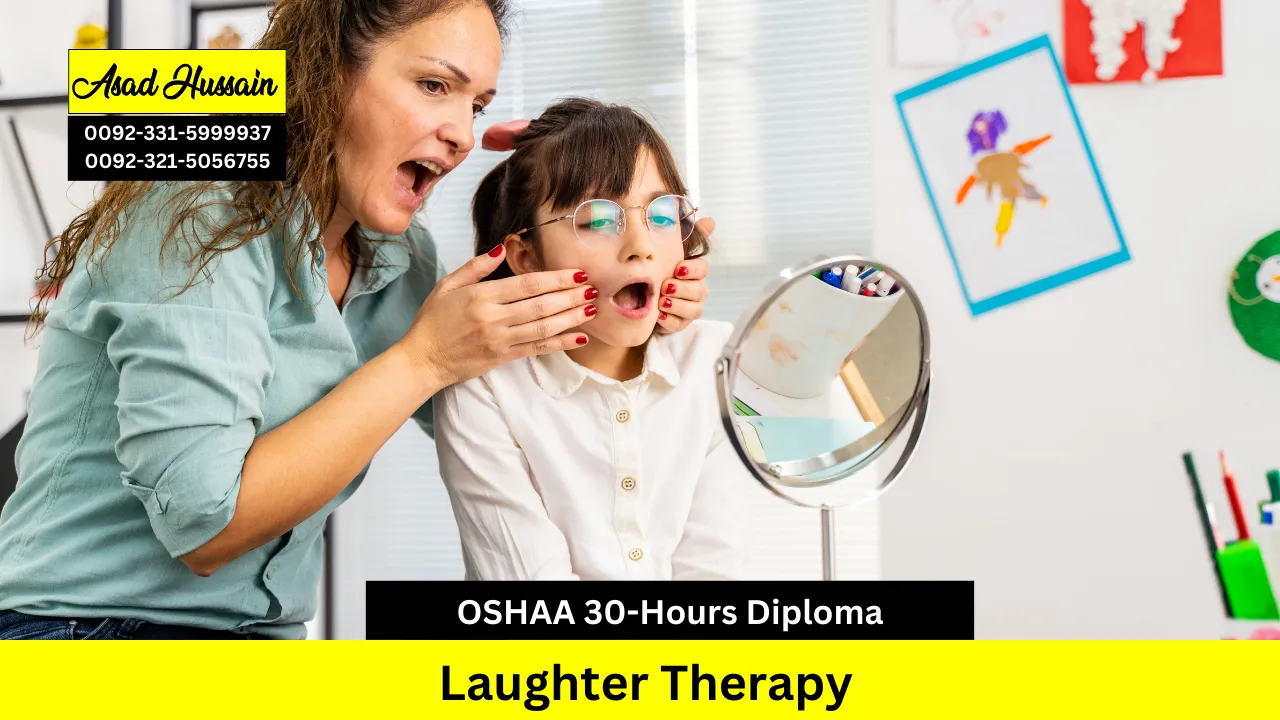
The OSHAA 30-Hours Professional Diploma in Laughter Therapy is a dynamic programme designed to explore the therapeutic use of laughter to enhance emotional, mental, and social wellbeing. The course introduces learners to the principles, techniques, and benefits of laughter therapy in personal, professional, and community settings. Participants will gain practical insights into how laughter can reduce stress, improve mood, and foster positive relationships. The programme is not Ofqual regulated but provides a structured learning experience suitable for individuals seeking to enhance their skills in wellbeing, mental health support, or complementary therapy environments.
This diploma emphasises the practical application of laughter therapy in diverse contexts, from wellness workshops to stress management and team-building sessions. Learners will explore techniques such as laughter exercises, breathing methods, and group facilitation skills. The course also covers understanding psychological and physiological responses to laughter, recognising the therapeutic potential of humour, and designing sessions to promote engagement and emotional release. Skills gained can complement existing certifications and diplomas in mental health support, counselling, coaching, or complementary therapies.
OSHAA 30-Hours Professional Diploma in Laughter Therapy provides a comprehensive learning experience for those seeking to integrate laughter therapy into their professional or personal practice. The course equips learners with the knowledge and confidence to lead sessions, support emotional wellbeing, and promote positivity in various settings. Participants will strengthen both practical facilitation skills and theoretical understanding of laughter’s impact on health and wellbeing, enhancing their professional profile through recognised certifications and diplomas while contributing positively to the mental and social wellness of others.
Program Highlights
Study Units
- Introduction to Laughter Therapy and Its Therapeutic Foundations (3 hours)
- The Physiology of Laughter: Impact on the Brain and Body (4 hours)
- Psychological Benefits of Laughter in Mental Health Support (6 hours)
- Techniques and Modalities in Laughter Therapy (4 hours)
- Laughter Yoga: Methods, Breathing, and Movement Integration (3 hours)
- Facilitating Group Laughter Sessions Safely and Effectively (4 hours)
- Emotional Resilience and Laughter as a Stress Management Tool (3 hours)
- Applications of Laughter Therapy Across Age Groups and Settings (3 hours)
The entry requirements for this course are designed to ensure learners can fully engage with the content while keeping it accessible to a wide range of individuals interested in wellbeing, mental health, and complementary therapies.
- Age Requirement: Applicants should generally be at least 18 years old to enrol, ensuring readiness for professional-level learning and commitment to the course.
- Educational Background: A basic secondary education is recommended. Learners with prior exposure to related diplomas or certificates—such as mental health support, counselling, coaching, complementary therapy, mindfulness, or wellbeing programmes—may find the course especially beneficial, though it is not mandatory.
- Language Proficiency: Participants should have a functional level of English, as all course materials, assessments, and guidance are delivered in English.
- Work Experience: No formal work experience is required. However, individuals with experience in counselling, coaching, therapy, wellness, or group facilitation may gain additional insight and practical context from the programme.
Overall, these entry requirements ensure the OSHAA 30-Hours Professional Diploma in Laughter Therapy remains open to motivated learners seeking to develop professional skills in laughter therapy while complementing existing certifications and diplomas.
Learning Outcomes
Introduction to Laughter Therapy and Its Therapeutic Foundations (3 hours)
- Understand the history and development of laughter therapy as a therapeutic modality
- Explore key principles and theories underlying the practice of therapeutic laughter
- Identify the role of laughter in holistic health and emotional well-being
- Recognise professional contexts where laughter therapy can be effectively applied
The Physiology of Laughter: Impact on the Brain and Body (4 hours)
- Explain the biological processes triggered by laughter in the brain and nervous system
- Understand how laughter influences hormones, immunity, cardiovascular health, and pain perception
- Identify the physiological distinction between spontaneous and simulated laughter
- Discuss the short- and long-term health benefits associated with regular laughter
Psychological Benefits of Laughter in Mental Health Support (6 hours)
- Examine the emotional and cognitive effects of laughter on mood and mental resilience
- Understand the role of laughter in reducing anxiety, depression, and emotional stress
- Explore the relationship between humour, coping mechanisms, and psychological flexibility
- Apply laughter-based interventions to support therapeutic goals in mental health contexts
Techniques and Modalities in Laughter Therapy (4 hours)
- Identify and practise a range of laughter therapy methods including guided, improvised, and interactive techniques
- Understand the structure and flow of laughter therapy sessions
- Evaluate the appropriateness of techniques based on group size, setting, and participant needs
- Incorporate music, movement, and storytelling to enhance therapeutic impact
Laughter Yoga: Methods, Breathing, and Movement Integration (3 hours)
- Learn the core principles and structure of laughter yoga practices
- Demonstrate breathing exercises that support relaxation and laughter engagement
- Combine physical movement with laughter to encourage full-body wellness
- Facilitate inclusive and accessible laughter yoga routines for diverse participants
Facilitating Group Laughter Sessions Safely and Effectively (4 hours)
- Develop facilitation skills to lead laughter therapy sessions confidently and safely
- Manage group dynamics and respond appropriately to individual emotional reactions
- Create a supportive and inclusive environment that encourages participation
- Plan and deliver sessions that are structured, engaging, and ethically sound
Emotional Resilience and Laughter as a Stress Management Tool (3 hours)
- Understand the link between laughter and emotional resilience
- Explore how humour can reframe stress and promote adaptive responses
- Practise techniques that use laughter to shift mindset and support well-being
- Integrate laughter into personal and professional stress-reduction strategies
Applications of Laughter Therapy Across Age Groups and Settings (3 hours)
- Identify how laughter therapy can be adapted for children, older adults, and individuals with additional needs
- Explore the use of laughter in settings such as healthcare, schools, community centres, and workplaces
- Recognise potential barriers and ethical considerations when working with vulnerable groups
- Tailor session content and tone to suit developmental and cultural differences
Target Audience
This course is designed for individuals who want to enhance wellbeing, emotional resilience, and professional skills through the practice of laughter therapy. It is ideal for those seeking practical techniques to reduce stress, improve mental health, and promote positivity in diverse settings.
Aspiring Laughter Therapy Practitioners
- Learn foundational principles and techniques of laughter therapy
- Gain confidence in leading individual and group sessions
- Develop skills to integrate laughter into mental health support
- Understand ethical considerations in therapeutic practice
- Enhance your ability to foster emotional and social wellbeing
Mental Health and Wellbeing Professionals
- Use laughter as a tool to support clients’ emotional resilience
- Apply laughter-based interventions for stress, anxiety, and mood improvement
- Understand the psychological and physiological benefits of laughter
- Integrate techniques into counselling or therapy sessions
- Promote coping strategies through humour and positive engagement
Educators and Group Facilitators
- Facilitate laughter sessions for students or workshop participants
- Use laughter exercises to improve classroom engagement and morale
- Adapt techniques for different age groups and learning styles
- Encourage teamwork, collaboration, and social cohesion
- Support emotional wellbeing in educational or community settings
Healthcare and Caregiving Professionals
- Apply laughter therapy to enhance patient experience and recovery
- Use laughter techniques to reduce stress in healthcare environments
- Support older adults, children, or individuals with special needs
- Recognise barriers to participation and adapt sessions safely
- Promote holistic wellbeing in professional caregiving contexts
Personal Development Enthusiasts
- Enhance self-awareness, emotional balance, and stress management
- Learn practical methods for daily mental health support
- Improve interpersonal skills and social connection through laughter
- Apply techniques in home, community, or workplace environments
- Foster positivity and resilience in personal and professional life
Corporate and Team Wellness Facilitators
- Integrate laughter therapy into workplace wellness programs
- Boost morale, team cohesion, and productivity
- Reduce occupational stress and promote employee wellbeing
- Design engaging and inclusive laughter-based sessions
- Support mental health and a positive organizational culture
Overall, this course is ideal for anyone looking to develop professional or personal skills in laughter therapy, enhance emotional resilience, and promote wellbeing across multiple settings.