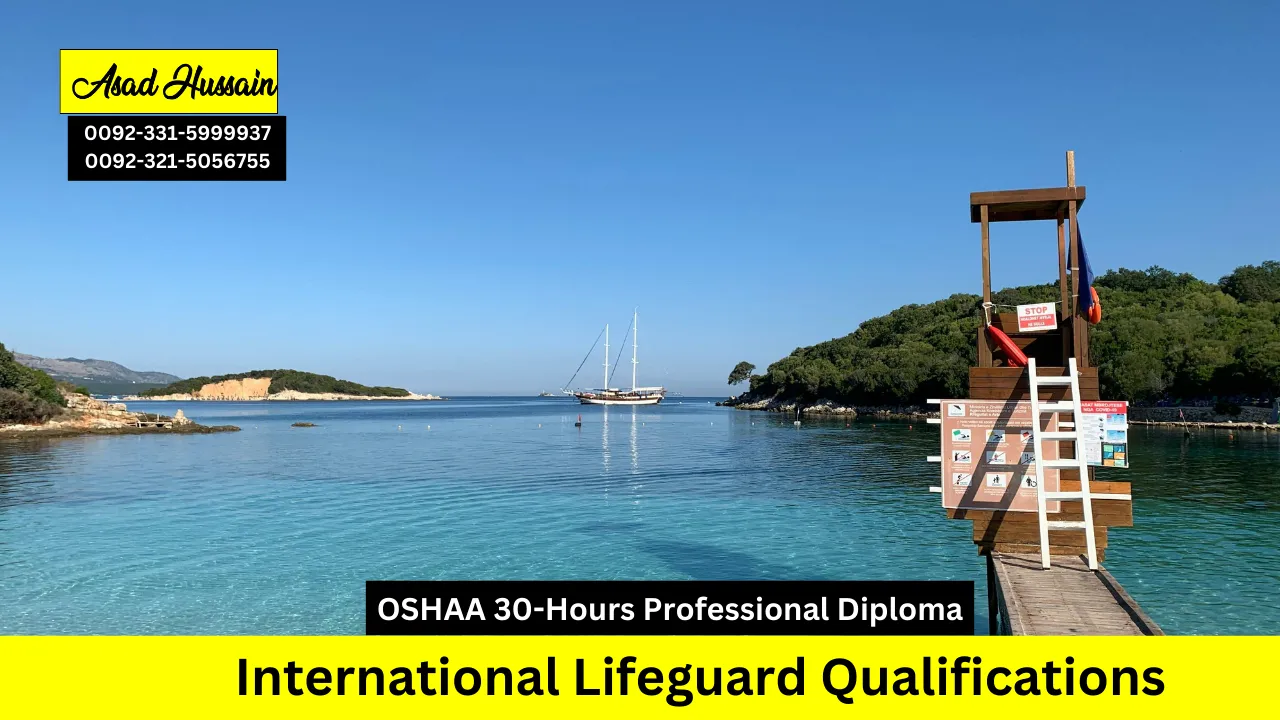
OSHAA 30-Hours Professional Diploma in International Lifeguard Qualifications for Elite Lifesaving Professionals
The OSHAA 30-Hours Professional Diploma in International Lifeguard Qualifications is designed to develop essential lifesaving knowledge, practical rescue awareness, and professional readiness for aquatic environments. This programme focuses on the core responsibilities of lifeguards, including accident prevention, effective supervision, and rapid response to emergencies. Learners gain a strong understanding of lifeguard duties, risk awareness, and professional conduct while maintaining safe conditions for pool and aquatic facility users. The course promotes confidence, vigilance, and responsibility, supporting high standards of safety and preparedness in international lifeguarding settings.
This professional diploma delivers comprehensive insight into lifeguard operations, rescue principles, and emergency management techniques. Participants explore key areas such as hazard recognition, casualty assessment, teamwork, and communication during incidents. The curriculum strengthens practical judgement and situational awareness, enabling learners to respond calmly and effectively under pressure. The programme also supports professional credibility by aligning with recognised certifications and diplomas related to aquatic safety, rescue operations, and pool supervision, helping learners demonstrate competence within diverse aquatic and leisure environments.
OSHAA 30-Hours Professional Diploma in International Lifeguard Qualifications equips learners with the skills and confidence required to perform lifeguarding duties responsibly across a range of aquatic settings. The course emphasises safety leadership, consistent monitoring, and effective response strategies that protect both participants and facilities. Learners develop a clear understanding of international lifeguarding expectations while reinforcing professional standards. This diploma complements existing certifications and professional diplomas in lifeguarding, aquatic rescue, and water safety management, supporting professional development and excellence in lifesaving roles worldwide.
Program Highlights
- Introduction to International Lifeguard Qualifications and Global Safety Standards (2 Hours)
- Roles, Responsibilities, and Professional Conduct of an International Lifeguard (3 Hours)
- Aquatic Safety Operations, Hazard Identification, and Risk Management (4 Hours)
- Environmental Awareness: Pools, Beaches, and Open Water Conditions (3 Hours)
- Surveillance Techniques and Incident Prevention Strategies in Diverse Settings (3 Hours)
- Water Rescue Skills and Specialist Equipment Handling (5 Hours)
- Cardiopulmonary Resuscitation (CPR), First Aid, and Casualty Care in Varied Environments (5 Hours)
- Emergency Response Procedures and Incident Management Worldwide (3 Hours)
- Communication Skills, Team Coordination, and Cross-Cultural Public Interaction (2 Hours)
This course is designed for individuals seeking to develop professional competence in international lifeguarding roles and aquatic safety environments. Applicants should meet the following general entry requirements to ensure effective participation.
- Age Requirement: Learners should be at least 18 years of age at the time of enrolment to ensure maturity and readiness for safety-critical lifeguarding responsibilities.
- Educational Background: A basic secondary education is recommended. Learners holding related diplomas or certificates such as lifeguarding awards, aquatic safety certificates, first aid and CPR certificates, pool supervision diplomas, or water safety qualifications may find the course particularly beneficial.
- Language Proficiency: Participants should have a suitable level of English language proficiency to understand safety instructions, communicate clearly during emergency situations, and complete course assessments confidently.
- Work Experience: Previous experience in lifeguarding, swimming instruction, pool operations, beach safety, or other aquatic environments is advantageous but not mandatory, as the course supports both developing and experienced lifeguards.n aquatic or leisure facility is advantageous but not mandatory, as the course supports both developing and experienced supervisors.
Learning Outcomes
Introduction to International Lifeguard Qualifications and Global Safety Standards (2 Hours)
- Understand the scope and objectives of international lifeguard qualifications
- Recognise global safety standards and regulatory frameworks for lifeguarding
- Identify core competencies required for international aquatic safety roles
- Develop awareness of international expectations in lifesaving practice
Roles, Responsibilities, and Professional Conduct of an International Lifeguard (3 Hours)
- Define primary duties of lifeguards across diverse aquatic environments
- Apply professional behaviour and ethical standards in practice
- Demonstrate accountability and operational discipline
- Maintain professionalism in safety-critical situations
Aquatic Safety Operations, Hazard Identification, and Risk Management (4 Hours)
- Conduct safety checks and operational inspections in aquatic facilities
- Identify and assess hazards in pools, beaches, and open water settings
- Apply risk management strategies to reduce incidents
- Support proactive safety planning
Environmental Awareness: Pools, Beaches, and Open Water Conditions (3 Hours)
- Analyse environmental factors influencing aquatic safety
- Recognise the effects of weather, tides, and water conditions
- Adapt safety measures to suit different environments
- Maintain situational awareness in changing conditions
Surveillance Techniques and Incident Prevention Strategies in Diverse Settings (3 Hours)
- Apply effective observation and scanning techniques
- Detect early warning signs of hazards and emergencies
- Implement proactive prevention strategies
- Support continuous monitoring practices
Water Rescue Skills and Specialist Equipment Handling (5 Hours)
- Perform rescue techniques suitable for varied aquatic environments
- Operate rescue equipment such as buoys, boards, and throw lines
- Recover and assist casualties safely
- Apply controlled rescue approaches
Cardiopulmonary Resuscitation (CPR), First Aid, and Casualty Care in Varied Environments (5 Hours)
- Deliver CPR for adults, children, and infants
- Apply first aid for common aquatic injuries
- Provide casualty care until medical assistance arrives
- Adapt care techniques to environmental conditions
Emergency Response Procedures and Incident Management Worldwide (3 Hours)
- Activate emergency action plans in different jurisdictions
- Coordinate responses in complex and multi-casualty incidents
- Maintain accurate incident documentation
- Support effective incident control
Communication Skills, Team Coordination, and Cross-Cultural Public Interaction (2 Hours)
- Communicate clearly during high-pressure situations
- Coordinate effectively with diverse rescue teams
- Interact professionally with the public across cultures
- Promote cooperation and calm during incidents
The OSHAA 30-Hours Professional Diploma in International Lifeguard Qualifications is designed for individuals who are committed to developing professional lifesaving skills and operating confidently within diverse aquatic environments around the world.
Aspiring International Lifeguards
- Individuals seeking internationally relevant lifeguarding knowledge
- Learners preparing for roles in global aquatic environments
- Candidates aiming to build strong rescue and safety foundations
- Individuals interested in professional lifesaving responsibilities
- Learners developing confidence in emergency response
Experienced Lifeguards and Aquatic Safety Personnel
- Practicing lifeguards seeking to broaden operational awareness
- Aquatic safety staff working in pools, beaches, or open water
- Professionals aiming to refine rescue and incident management skills
- Personnel strengthening vigilance and safety leadership
- Lifeguards supporting international safety standards
Swimming Teachers and Aquatic Instructors
- Instructors responsible for learner safety in aquatic settings
- Swimming teachers seeking enhanced rescue awareness
- Coaches supporting participant supervision and risk control
- Instructors working across different aquatic environments
- Professionals aiming to strengthen safety-focused instruction
Leisure Centre and Resort Aquatic Staff
- Staff working in hotels, resorts, and leisure facilities
- Employees responsible for pool and aquatic area supervision
- Team members supporting guest safety and incident response
- Personnel involved in emergency readiness planning
- Workers operating in multicultural public environments
Beach and Open Water Safety Personnel
- Individuals supporting safety at beaches and natural water sites
- Staff monitoring surf, tides, and environmental conditions
- Safety personnel assisting with rescues in open water
- Team members coordinating with emergency services
- Individuals focused on public water safety
Health, Safety, and Emergency Response Support Staff
- Staff assisting with risk assessments and hazard control
- Individuals supporting emergency action planning
- Personnel involved in incident documentation and reporting
- Team members promoting safety awareness
- Staff contributing to coordinated emergency responses