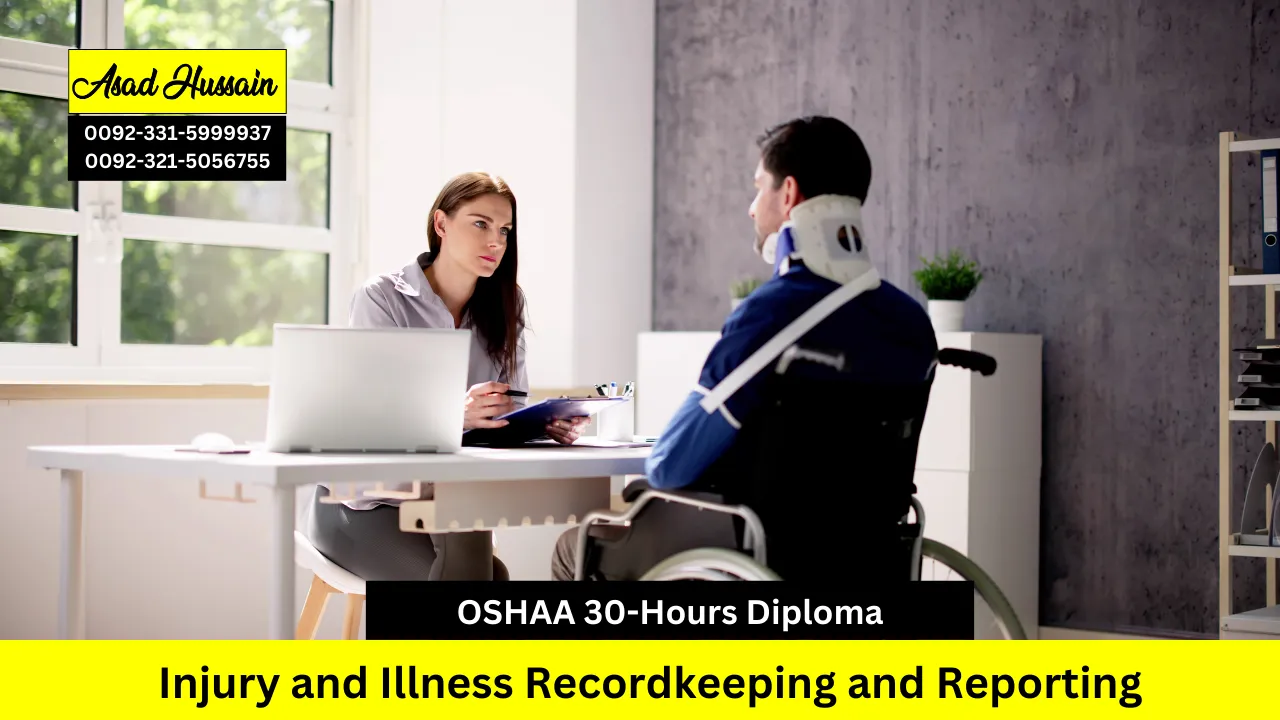
Enhance Workplace Safety with in Injury and Illness Recordkeeping
The OSHAA 30-Hours Professional Diploma in Injury and Illness Recordkeeping and Reporting is a comprehensive course designed to equip learners with the essential knowledge and skills required to maintain accurate and compliant workplace records. The programme focuses on the systematic documentation of workplace injuries, illnesses, and incidents, helping organisations monitor safety trends, comply with regulations, and improve overall workplace health and safety standards. Learners will explore key concepts, reporting procedures, and best practices for effective recordkeeping in diverse occupational settings.
This course emphasises practical application alongside theoretical knowledge. Participants will learn how to identify reportable incidents, use standard forms and digital systems, and implement structured reporting protocols. Topics include analysing incident data to identify root causes, improving workplace safety measures, and ensuring timely communication with relevant stakeholders. Real-world examples, case studies, and interactive exercises provide learners with hands-on experience in accurate reporting, helping to prevent recurring workplace incidents and enhance organisational safety culture.
OSHAA 30-Hours Professional Diploma in Injury and Illness Recordkeeping and Reporting prepares learners to apply these essential skills in professional environments and gain recognised certifications and diplomas in occupational health and safety. The programme is ideal for safety officers, HR professionals, managers, supervisors, and anyone responsible for workplace compliance and incident management. By completing this course, participants gain the expertise to maintain accurate records, generate insightful reports, support regulatory compliance, and contribute to safer, healthier workplace environments.
Program Highlights
Study Units
- Introduction to Workplace Injury and Illness Recordkeeping (3 hours)
- Legal and Regulatory Frameworks for Reporting (4 hours)
- Classification of Work-Related Injuries and Illnesses (3 hours)
- Documentation Standards and Recordkeeping Procedures (6 hours)
- Recording and Reporting Requirements under OSHA and Other Standards (4 hours)
- Incident Investigation and Root Cause Analysis (5 hours)
- Confidentiality, Data Protection, and Ethical Considerations (3 hours)
- Using Records to Identify Trends and Improve Safety (2 hours)
The OSHAA 30-Hours Professional Diploma in Injury and Illness Recordkeeping and Reporting is designed to be accessible while ensuring learners have the foundation to benefit fully from the course content.
- Age Requirement: Learners should be at least 18 years old to ensure readiness for professional learning and workplace application.
- Educational Background: A basic level of education is recommended. Learners with related diplomas or certificates in occupational health and safety, workplace compliance, HR management, or risk management may find it particularly beneficial.
- Language Proficiency: Learners should have a good command of English to understand course materials, engage in discussions, and complete assessments effectively.
- Work Experience: Prior experience in safety management, HR, or workplace administration is not mandatory but can help learners relate course concepts to real-world settings.
Overall, these entry requirements are designed to make the course inclusive while ensuring participants gain the knowledge and practical skills necessary to maintain accurate injury and illness records, comply with workplace regulations, and enhance overall safety standards.
Learning Outcomes
Introduction to Workplace Injury and Illness Recordkeeping (3 Hours)
- Understand the purpose and importance of injury and illness recordkeeping
- Identify the core components of an effective recordkeeping system
- Recognise the role of documentation in workplace safety management
- Explain how accurate records support regulatory compliance and incident prevention
Legal and Regulatory Frameworks for Reporting (4 Hours)
- Understand the legal obligations related to injury and illness reporting
- Identify key national and international regulations governing workplace safety data
- Differentiate between reportable and non-reportable incidents
- Apply relevant legislation to real-world reporting scenarios
Classification of Work-Related Injuries and Illnesses (3 Hours)
- Distinguish between different types of work-related injuries and occupational illnesses
- Accurately classify incidents based on severity and outcome
- Understand the importance of consistent classification for reporting and analysis
- Apply classification standards to documentation procedures
Documentation Standards and Recordkeeping Procedures (6 Hours)
- Learn how to complete required documentation accurately and clearly
- Understand the use of forms, logs, and electronic systems in recordkeeping
- Develop best practices for maintaining and organising records
- Apply standardised procedures to ensure compliance and data integrity
Recording and Reporting Requirements under OSHA and Other Standards (4 Hours)
- Identify the specific forms and deadlines required by OSHA and other regulatory bodies
- Understand the criteria for OSHA-recordable incidents
- Accurately complete reports and maintain required logs
- Apply national and industry-specific standards in various workplace contexts
Incident Investigation and Root Cause Analysis (5 Hours)
- Understand the purpose and process of effective incident investigation
- Identify root causes of workplace injuries and illnesses
- Develop skills to document findings and recommend preventative measures
- Integrate investigative outcomes into ongoing safety improvements
Confidentiality, Data Protection, and Ethical Considerations (3 Hours)
- Recognise the importance of maintaining confidentiality in injury and illness records
- Understand data protection regulations applicable to workplace reporting
- Apply ethical principles to sensitive documentation and communication
- Develop practices that protect both personal data and organisational integrity
Using Records to Identify Trends and Improve Safety (2 Hours)
- Analyse recorded data to identify patterns and recurring risks
- Use documentation to inform strategic safety decisions
- Develop action plans based on trend analysis
- Support a proactive safety culture through data-driven interventions
Target Audience
This course is designed for professionals and individuals who want to develop expertise in accurate injury and illness recordkeeping, reporting, and workplace safety compliance. It equips learners with practical skills to maintain records, meet regulatory requirements, and use data to improve organisational safety practices.
Safety Officers and Workplace Health Professionals
- Professionals responsible for implementing safety protocols
- Staff managing occupational health programs
- Individuals monitoring workplace hazards and incidents
- Professionals conducting safety audits and inspections
- Officers analysing injury and illness trends for risk reduction
- Staff ensuring compliance with local and national safety standards
Human Resources and Administrative Personnel
- HR staff maintaining employee health and incident records
- Administrators responsible for safety documentation and reporting
- Personnel coordinating with management on regulatory compliance
- Staff overseeing workplace policies and employee wellbeing
- Professionals supporting incident investigations and follow-ups
- Team members preparing reports for management or regulatory bodies
Managers and Supervisors
- Supervisors overseeing teams in industrial, healthcare, or office settings
- Managers ensuring workplace compliance with safety regulations
- Professionals implementing preventive measures based on record analysis
- Staff responsible for training employees on reporting procedures
- Individuals supporting safety culture initiatives
- Leaders using injury and illness data to improve operational efficiency
Compliance and Regulatory Professionals
- Professionals ensuring adherence to OSHA and other legal standards
- Staff managing internal and external audits
- Individuals responsible for reporting and documentation protocols
- Professionals interpreting workplace safety legislation
- Compliance officers monitoring ethical and legal practices
- Staff evaluating trends to support proactive regulatory compliance
Educators and Trainers in Safety Management
- Trainers developing programs on recordkeeping and reporting
- Educators teaching workplace safety and incident management
- Professionals coaching employees on data accuracy and compliance
- Staff designing workshops or online learning modules for staff
- Mentors supporting safety officers and HR teams
- Individuals guiding organisational best practices in recordkeeping
Students and Aspiring Safety Professionals
- Learners pursuing careers in occupational health and safety
- Students interested in compliance, risk management, and incident reporting
- Individuals seeking practical skills for workplace safety roles
- Learners aiming to gain recognised diplomas and certifications
- Students preparing for roles in industrial, healthcare, or administrative settings
- Aspiring professionals wanting to improve workplace safety culture
Overall, this course is ideal for anyone aiming to maintain accurate injury and illness records, ensure regulatory compliance, and contribute to safer, healthier workplaces through effective reporting and proactive safety management.