OSHAA 30-Hours Diploma: Conquer Infection Spreads
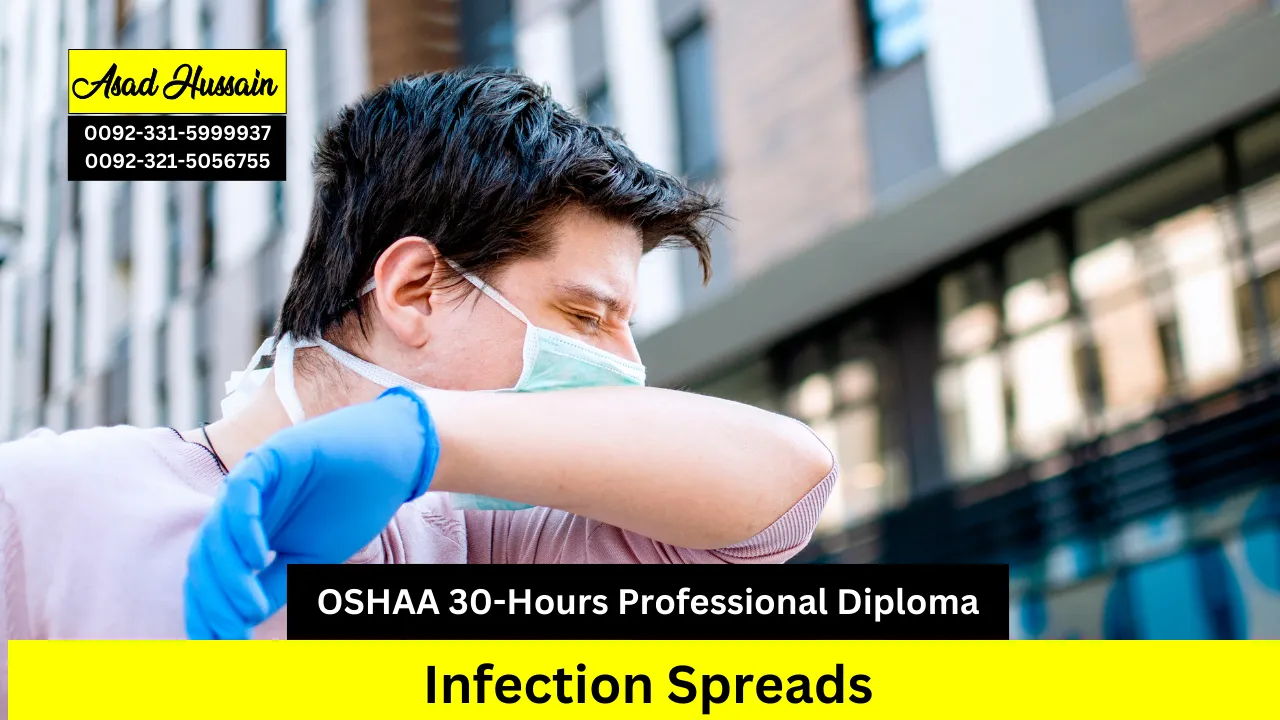
Understanding how infections spread and how to break the chain of transmission is a critical competency in modern healthcare and public safety. The OSHAA 30-Hours Professional Diploma in Infection Spreads provides learners with a comprehensive foundation in infection control principles, microbiology basics, and practical prevention strategies. This programme is designed to equip individuals with the knowledge needed to identify infection risks, implement effective control measures, and contribute to safer environments in healthcare, community, and workplace settings.
Participants will explore the mechanisms of pathogen transmission, the importance of hygiene protocols, and the role of personal protective equipment in preventing outbreaks. The curriculum covers essential topics such as hand hygiene standards, environmental cleaning practices, waste management, and the principles of sterilisation and disinfection. Learners will also gain insight into infection surveillance methods and the legal responsibilities surrounding infection control, ensuring they can apply best practices confidently in real-world scenarios.
Building upon this foundation, the OSHAA 30-Hours Professional Diploma in Infection Spreads concludes with an assessment that validates your expertise in infection prevention and control. Upon successful completion, you will be prepared to pursue further certifications and diplomas to deepen your knowledge in specialised areas of health protection. This course represents a valuable step in your professional development, positioning you as a knowledgeable individual capable of supporting infection control efforts across various sectors.
Program Highlights
Study Units
- Introduction to Infection Spread and Control Principles (3 Hours)
- Microorganisms and Pathogens: Types and Transmission (3 Hours)
- The Chain of Infection and Modes of Transmission (5 Hours)
- Standard Precautions and Hand Hygiene Practices (3 Hours)
- Personal Protective Equipment (PPE) and Its Correct Usage (5 Hours)
- Environmental Cleaning and Disinfection Techniques (5 Hours)
- Managing Outbreaks and Infection Surveillance (3 Hours)
- Antimicrobial Resistance and Its Global Impact (3 Hours)
Entry Requirements
To enroll in the OSHAA 30-Hours Professional Diploma in Infection Spreads, candidates must meet the following minimum entry criteria:
- Age: 16 years or older.
- Education: Basic literacy and numeracy required. Previous qualifications such as a Level 2 Certificate in the Prevention and Control of Infection, a Diploma in Healthcare Support, or GCSEs in Biology or Health and Social Care are beneficial but not mandatory.
- Language: Competency in English (written and spoken); non-native speakers should have an IELTS 5.5 or equivalent.
- Experience: No prior work experience required; suitable for beginners and those already in healthcare roles.
These criteria ensure you have the foundational skills to succeed. Candidates with relevant healthcare experience or prior certifications are encouraged to apply.
Learning Outcomes
Introduction to Infection Spread and Control Principles (3 Hours)
- Understand the core principles of infection prevention and control
- Identify the importance of infection control in various professional settings
- Recognise the impact of infection spread on individuals and public health
- Establish a foundation for effective infection control practices
Microorganisms and Pathogens: Types and Transmission (3 Hours)
- Identify different types of microorganisms including bacteria, viruses, fungi, and parasites
- Understand how pathogens cause infection and spread within populations
- Explain the conditions that support microbial growth and transmission
- Distinguish between pathogenic and non-pathogenic microorganisms
The Chain of Infection and Modes of Transmission (5 Hours)
- Describe each component of the chain of infection
- Identify direct and indirect modes of transmission
- Apply strategies to break the chain of infection in practical settings
- Assess scenarios to determine how infection may be transmitted
Standard Precautions and Hand Hygiene Practices (3 Hours)
- Understand the role of standard precautions in infection control
- Demonstrate correct hand hygiene techniques according to professional guidelines
- Recognise when and why hand hygiene is critical in workplace environments
- Implement standard precautions effectively in day-to-day tasks
Personal Protective Equipment (PPE) and Its Correct Usage (5 Hours)
- Identify different types of PPE and their appropriate uses
- Understand procedures for safely donning and doffing PPE
- Apply PPE usage protocols to reduce the risk of infection
- Maintain safety standards during routine and emergency situations
Environmental Cleaning and Disinfection Techniques (5 Hours)
- Understand the importance of maintaining a clean environment to prevent infection
- Differentiate between cleaning, disinfecting, and sterilising
- Select and use appropriate cleaning agents and methods
- Implement effective cleaning schedules in line with infection control standards
Managing Outbreaks and Infection Surveillance (3 Hours)
- Recognise signs of an outbreak and implement immediate response measures
- Understand the role of surveillance in infection control and data collection
- Apply procedures for reporting and managing infectious disease outbreaks
- Collaborate with relevant authorities to contain and monitor infection spread
Antimicrobial Resistance and Its Global Impact (3 Hours)
- Understand what antimicrobial resistance (AMR) is and how it develops
- Identify the causes and consequences of AMR for global health
- Promote responsible use of antibiotics and antimicrobial agents
- Support practices that reduce the development and spread of resistant organisms
Target Audience
The OSHAA 30-Hours Professional Diploma in Infection Spreads is designed for a wide range of individuals who recognise the critical importance of infection prevention and control in their professional or personal roles. Whether you are entering the healthcare sector, working in public-facing environments, or seeking to enhance your workplace safety knowledge, this course provides the essential understanding needed to combat the spread of infections effectively.
Aspiring Healthcare Professionals
Individuals preparing for careers in healthcare will build a strong foundation in infection control principles essential for patient safety.
- Gain comprehensive knowledge of how infections spread and how to prevent them
- Understand the chain of infection and how to break it in clinical settings
- Learn correct hand hygiene techniques and standard precautions
- Master the proper use of personal protective equipment for various scenarios
- Develop awareness of antimicrobial resistance and its implications
- Prepare for roles in hospitals, clinics, care homes, and community healthcare
Care Home and Support Workers
Staff working in residential care settings will enhance their ability to protect vulnerable residents from infections.
- Understand the unique infection risks present in care home environments
- Learn effective environmental cleaning and disinfection techniques
- Recognise early signs of outbreaks and implement immediate response measures
- Apply standard precautions consistently during daily care activities
- Protect both residents and themselves through proper PPE usage
- Contribute to a culture of safety and infection prevention within their workplace
Early Years and Education Professionals
Teachers, teaching assistants, and childcare providers will learn to minimise infection spread in educational settings.
- Understand how infections transmit among children and young people
- Implement effective hand hygiene routines suitable for educational environments
- Recognise when to exclude symptomatic individuals and when to seek medical advice
- Learn proper cleaning and disinfection procedures for classrooms and play areas
- Educate children on basic hygiene practices in age-appropriate ways
- Create safer learning environments that reduce absenteeism due to illness
Food Handlers and Hospitality Staff
Those working in catering, restaurants, and hospitality will understand their role in preventing food-related infections.
- Learn about pathogens commonly associated with foodborne illness
- Understand the conditions that support microbial growth in food environments
- Implement effective hand hygiene practices during food preparation
- Apply proper cleaning and disinfection techniques for kitchen surfaces
- Recognise the importance of personal hygiene when handling food
- Protect customers and business reputation through robust infection control
Cleaning and Facilities Management Personnel
Professional cleaners and facilities staff will deepen their understanding of effective infection control practices.
- Differentiate between cleaning, disinfecting, and sterilising for various situations
- Select appropriate cleaning agents and methods for different surfaces
- Understand the science behind why certain cleaning protocols are necessary
- Implement effective cleaning schedules aligned with infection control standards
- Learn proper handling and disposal of contaminated waste materials
- Enhance their professional value with certified infection control knowledge
Workplace Health and Safety Representatives
Employees responsible for health and safety in any industry will strengthen their ability to protect colleagues.
- Understand how infections spread in office, industrial, and public settings
- Learn to assess infection risks and implement appropriate control measures
- Develop outbreak response plans tailored to their specific workplace
- Educate colleagues on hand hygiene and respiratory etiquette
- Ensure availability and correct use of PPE within their organisation
- Contribute to business continuity by reducing infection-related absenteeism
This diploma empowers learners from all backgrounds to become active participants in infection prevention. No matter your current role or career aspirations, the knowledge and skills gained will enable you to protect yourself, your colleagues, and your community from the spread of infectious diseases.