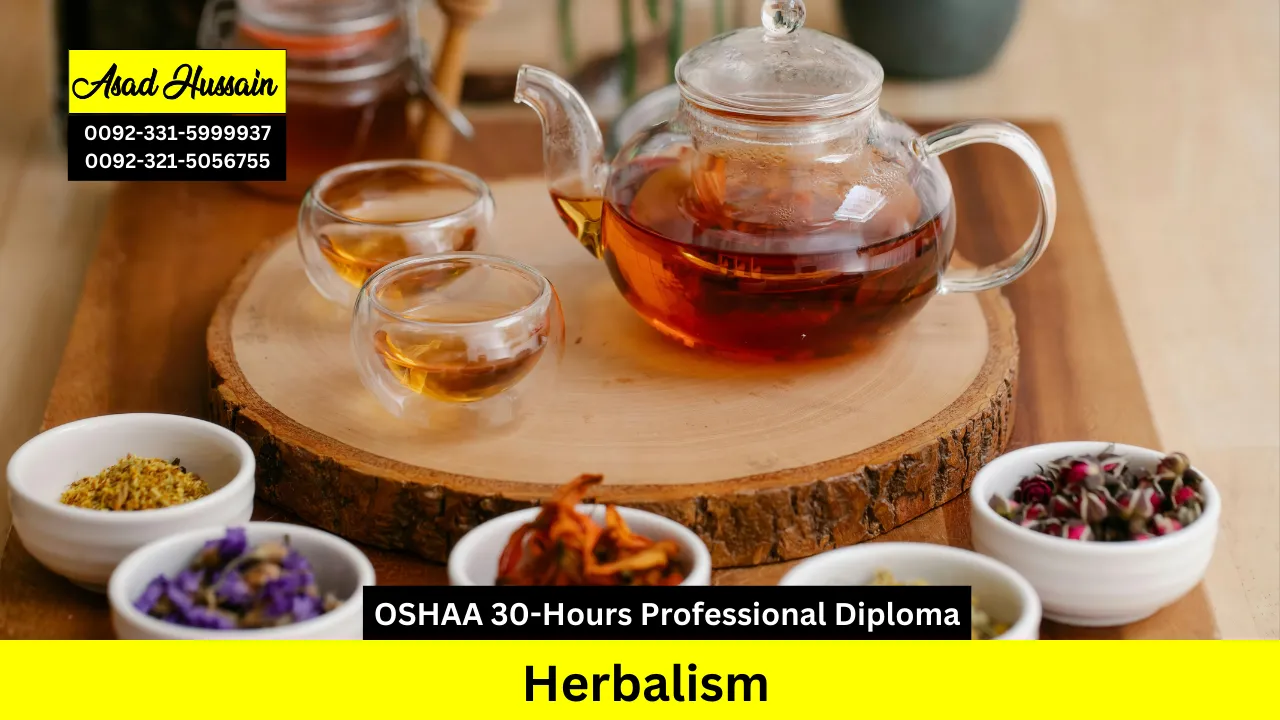
Unlock Natural Healing: Professional Diploma in Herbalism
The OSHAA 30‑Hours Professional Diploma in Herbalism is a comprehensive program designed to introduce learners to the principles and practices of herbal medicine. This course explores the history, uses, and benefits of herbs in promoting health and wellness. Participants will gain practical knowledge of herbal preparation, safe application, and the role of natural remedies in supporting overall wellbeing.
This diploma emphasizes both theoretical understanding and hands‑on learning. Learners will study plant properties, methods of extraction, and the ethical considerations of herbal practice. The program also highlights the importance of safety, dosage awareness, and cultural traditions in herbal medicine. By combining scientific insights with practical applications, the course ensures learners can confidently use herbal knowledge in professional or personal contexts.
The OSHAA 30‑Hours Professional Diploma in Herbalism awards recognized certification upon successful completion, validating the skills and expertise gained. This achievement complements other certifications and diplomas such as the Diploma in Natural Health, Certificate in Alternative Therapies, or Diploma in Nutrition and Wellness. With its focus on practical application, the program empowers learners to enhance professional credibility while contributing to the growing field of herbal and holistic health practices.
Program Highlights
Study Units
- Introduction to Herbalism and Traditional Medicine Systems (3 hours)
- Plant Biology and Identification of Medicinal Herbs (4 hours)
- Therapeutic Properties and Actions of Herbs (4 hours)
- Herbal Preparation Methods: Teas, Tinctures, and Topicals (6 hours)
- Common Herbs for Everyday Ailments (3 hours)
- Safety, Dosage, and Contraindications in Herbal Practice (3 hours)
- Integrating Herbalism into Holistic Health Approaches (3 hours)
- Herbal Remedies for the Immune, Digestive, and Nervous Systems (4 hours)
Entry Requirements
- Age Requirement: Applicants must be at least 18 years old to enroll, ensuring maturity and readiness for professional learning.
- Educational Background: A minimum of secondary education or equivalent is recommended. Learners with prior certifications such as a Diploma in Natural Health, Certificate in Alternative Therapies, or Diploma in Nutrition and Wellness will find the course particularly beneficial.
- Language Proficiency: Participants should have a good command of English, as all course materials, discussions, and assessments are delivered in English.
- Work Experience: While not mandatory, prior experience in healthcare, wellness, or holistic practices can enhance understanding and application of the course content.
This diploma is designed to be accessible to a wide range of learners, welcoming both newcomers and experienced professionals. Meeting these entry requirements ensures participants can fully engage with the program and gain maximum benefit from their learning journey.
Learning Outcomes
Introduction to Herbalism and Traditional Medicine Systems (3 Hours)
- Understand the historical roots and cultural significance of herbal medicine
- Recognise major traditional systems including Ayurveda, Traditional Chinese Medicine, and Western herbalism
- Identify the key principles that guide herbal practice across different traditions
- Appreciate the role of herbalism in modern complementary and alternative medicine
Plant Biology and Identification of Medicinal Herbs (4 Hours)
- Gain basic knowledge of plant anatomy and botanical terminology
- Learn techniques for identifying and classifying medicinal plants
- Understand the environmental factors that affect herb potency and quality
- Develop awareness of ethical and sustainable plant harvesting practices
Therapeutic Properties and Actions of Herbs (4 Hours)
- Understand the pharmacological actions of common medicinal herbs
- Identify the therapeutic categories of herbs such as adaptogens, nervines, and carminatives
- Learn how specific herbs influence different body systems
- Explore the holistic principles behind herb selection for treatment
Herbal Preparation Methods: Teas, Tinctures, and Topicals (6 Hours)
- Develop practical skills in preparing herbal teas, infusions, decoctions, tinctures, and salves
- Understand the proper ratios, techniques, and tools for herbal preparations
- Evaluate the effectiveness of different preparation methods based on the intended use
- Apply safety and hygiene standards in herbal remedy preparation
Common Herbs for Everyday Ailments (3 Hours)
- Identify commonly used herbs for minor health issues such as colds, digestive upset, and stress
- Understand the safe application of herbs for self-care and home use
- Explore basic herbal protocols for common conditions
- Build confidence in choosing and combining herbs for simple remedies
Safety, Dosage, and Contraindications in Herbal Practice (3 Hours)
- Understand how to determine appropriate dosages based on preparation and individual needs
- Recognise potential herb-drug interactions and contraindications
- Learn the importance of professional responsibility and informed use of herbal products
- Apply risk assessment principles in recommending or preparing herbal remedies
Integrating Herbalism into Holistic Health Approaches (3 Hours)
- Explore how herbalism complements other wellness practices such as nutrition and aromatherapy
- Understand the importance of treating the whole person—mind, body, and spirit
- Learn strategies for incorporating herbal support into personal or professional health routines
- Develop an awareness of the limits and scope of herbal practice
Herbal Remedies for the Immune, Digestive, and Nervous Systems (4 Hours)
- Identify key herbs that support immune resilience, gut health, and nervous system balance
- Understand how herbal actions affect specific physiological processes
- Create basic herbal formulations to support immunity, digestion, and emotional wellbeing
- Apply knowledge of body systems to targeted herbal interventions
Target Audience
This course is designed for individuals who want to explore the principles and practices of herbal medicine. It is ideal for learners seeking to gain practical skills in herbal preparation, plant identification, and safe application of natural remedies while enhancing their professional credibility.
Healthcare and Wellness Practitioners
- Professionals working in holistic health or wellness centers
- Individuals aiming to integrate herbal remedies into client care
- Practitioners interested in complementary and alternative medicine approaches
- Those seeking safe and effective herbal preparation techniques
- Wellness coaches looking to expand their knowledge base
Herbal Enthusiasts and Learners
- Individuals passionate about natural healing and herbal traditions
- Learners eager to understand plant biology and medicinal properties
- People interested in preparing teas, tinctures, and topical remedies
- Those wishing to apply herbal knowledge for everyday ailments
- Enthusiasts motivated to gain recognized certification in herbalism
Nutrition and Lifestyle Advisors
- Professionals guiding clients in nutrition and lifestyle management
- Advisors seeking to complement dietary plans with herbal support
- Individuals interested in the role of herbs in digestion and immunity
- Those aiming to promote holistic health practices
- Practitioners committed to safe and ethical herbal use
Community and Cultural Practitioners
- Community workers supporting traditional and cultural health practices
- Individuals interested in Ayurveda, Traditional Chinese Medicine, or Western herbalism
- Practitioners aiming to preserve and apply cultural herbal knowledge
- Those working with diverse populations in wellness programs
- People motivated to promote sustainable and ethical herbal practices
Educators and Support Staff
- Teaching assistants in wellness or health education programs
- Educators introducing herbal knowledge into classroom or training settings
- Staff supporting workshops on natural health and herbal remedies
- Individuals interested in sensory and holistic approaches to learning
- Professionals seeking certification to validate their expertise
Individuals Seeking Professional Growth
- Learners aiming to gain recognized certification in herbal medicine
- Professionals looking to expand career opportunities in wellness and holistic health
- Those with prior diplomas such as Diploma in Natural Health, Certificate in Alternative Therapies, or Diploma in Nutrition and Wellness
- Individuals committed to lifelong learning in herbal and natural practices
- People motivated to make a meaningful impact in health and wellness fields
This diploma welcomes a diverse range of participants, offering practical knowledge and certification that empowers learners to confidently apply herbal practices in both personal and professional contexts.