Advance Your Skills with the GAD Professional Diploma
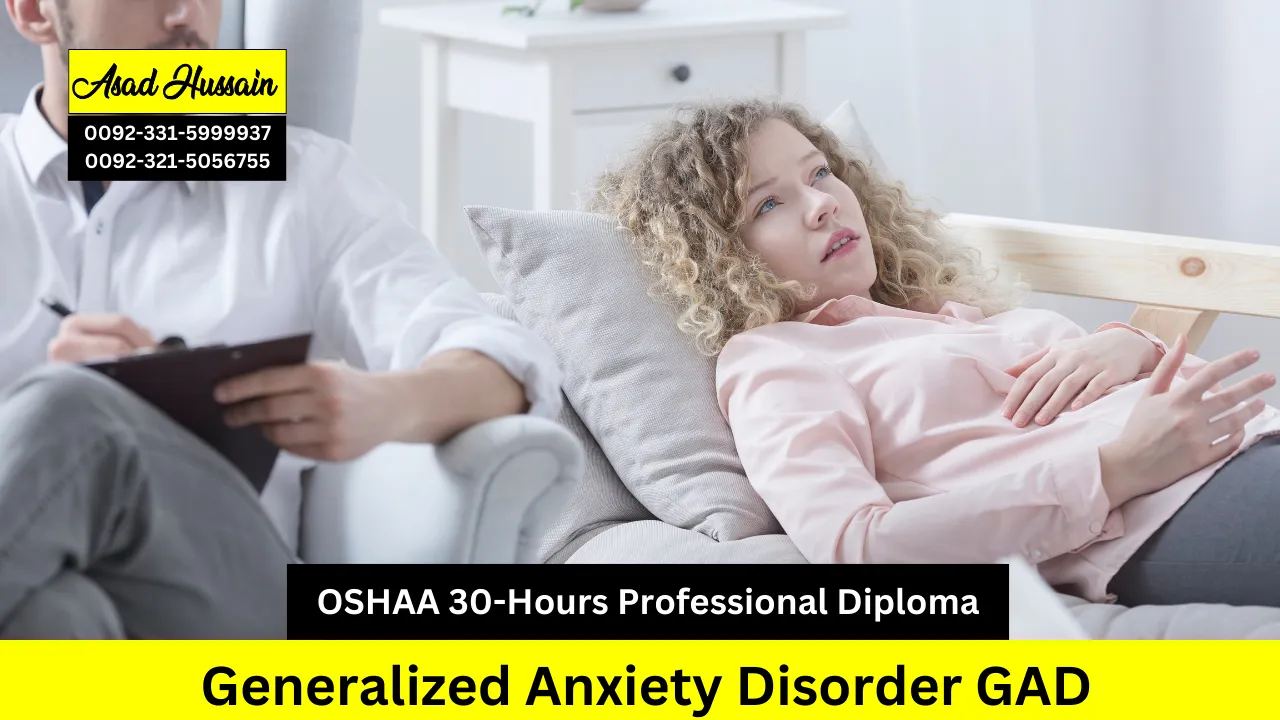
The OSHAA 30-Hours Professional Diploma in Generalized Anxiety Disorder (GAD) is a specialised programme designed to equip healthcare professionals, counsellors, and mental health practitioners with advanced knowledge of anxiety disorders. The course focuses on understanding the causes, symptoms, and impacts of GAD, enabling participants to recognise early warning signs and provide appropriate support. Through a combination of theoretical insights and practical strategies, learners develop the skills needed to assess, manage, and implement interventions that improve mental wellbeing and overall quality of life for affected individuals.
Participants will explore various aspects of anxiety disorders, including physiological, psychological, and environmental factors that contribute to GAD. The programme emphasises assessment techniques, risk evaluation, and evidence-based therapeutic approaches, including cognitive-behavioural strategies and supportive interventions. Learners also gain knowledge in communication skills, patient engagement, and crisis management, preparing them to handle anxiety-related challenges in clinical, community, or counselling settings with confidence and competence.
OSHAA 30-Hours Professional Diploma in Generalized Anxiety Disorder (GAD) offers structured, career-focused learning for mental health practitioners, healthcare staff, and counsellors aiming to strengthen their expertise in anxiety management. While the course is not Ofqual regulated, it is professionally designed to meet recognised standards in mental health practice. Successful participants can enhance their professional credentials and pursue additional certifications and diplomas in related fields such as psychiatry, counselling, or psychological therapy. This diploma empowers learners to deliver effective, evidence-based interventions and improve patient outcomes in anxiety care.
Program Highlights
Study Units
- Introduction to Generalized Anxiety Disorder: Definitions and Diagnosis (3 Hours)
- Understanding the Psychological and Biological Basis of GAD (4 Hours)
- Assessment Tools and Diagnostic Interviews for GAD (3 Hours)
- Cognitive-Behavioural Therapy (CBT) Techniques for GAD (5 Hours)
- Pharmacological Treatments and Medication Management (3 Hours)
- The Role of Stress, Trauma, and Life Events in GAD (6 Hours)
- Co-morbid Conditions: Depression, Panic Disorder, and OCD (3 Hours)
- Mindfulness-Based Interventions and Relaxation Strategies (3 Hours)
Entry Requirements
To enrol in this course, learners should meet basic criteria to ensure they can fully engage with the content and practical applications:
- Age Requirement: Participants must be at least 18 years old.
- Educational Background: A minimum of secondary education is recommended. Learners with related diplomas or certificates in Psychology, Counselling, Mental Health, Social Work, or Healthcare will benefit most.
- Language Proficiency: Participants should have sufficient English reading, writing, and comprehension skills to follow course materials and complete assessments confidently.
- Work Experience: Previous experience in healthcare, counselling, or mental health support is advantageous but not mandatory.
These requirements are designed to ensure that learners can gain maximum benefit from the course, develop practical anxiety assessment and management skills, and apply knowledge effectively in professional or clinical mental health settings.
Learning Outcomes
Introduction to Generalized Anxiety Disorder: Definitions and Diagnosis (3 Hours)
- Identify core symptoms and diagnostic criteria for Generalized Anxiety Disorder
- Differentiate GAD from other anxiety-related conditions
- Understand clinical presentation and progression across populations
- Recognise early warning signs and typical symptom patterns
- Apply foundational knowledge to guide assessment and treatment planning
Understanding the Psychological and Biological Basis of GAD (4 Hours)
- Explain neurobiological mechanisms associated with anxiety disorders
- Recognise the influence of cognitive distortions and behavioural patterns
- Explore genetic, environmental, and neurological contributors to GAD
- Understand how biology and psychology interact to affect symptom severity
- Apply insights to inform therapeutic and clinical approaches
Assessment Tools and Diagnostic Interviews for GAD (3 Hours)
- Apply structured interviews and screening tools to assess GAD
- Interpret results from validated anxiety scales and questionnaires
- Conduct comprehensive clinical assessments with sensitivity and accuracy
- Document findings effectively to guide treatment planning
- Develop confidence in using standard diagnostic frameworks
Cognitive-Behavioural Therapy (CBT) Techniques for GAD (5 Hours)
- Implement core CBT interventions such as cognitive restructuring and exposure
- Design treatment plans tailored to individual symptom profiles
- Monitor progress and adjust strategies for long-term outcomes
- Apply practical exercises to support patient engagement
- Integrate CBT with other therapeutic techniques for holistic care
Pharmacological Treatments and Medication Management (3 Hours)
- Understand commonly prescribed medications for GAD and their mechanisms
- Recognise potential side effects and contraindications
- Support medication adherence in clinical practice
- Integrate pharmacological knowledge with psychological treatments
- Evaluate treatment effectiveness and modify plans accordingly
The Role of Stress, Trauma, and Life Events in GAD (6 Hours)
- Analyse how past trauma and chronic stress contribute to GAD
- Assess psychosocial factors influencing symptom severity
- Integrate trauma-informed care principles into therapy
- Support resilience-building and coping strategies
- Recognise triggers and design preventative interventions
Co-morbid Conditions: Depression, Panic Disorder, and OCD (3 Hours)
- Identify signs of co-occurring disorders commonly associated with GAD
- Understand diagnostic challenges and overlapping symptoms
- Develop integrated treatment strategies for multiple diagnoses
- Recognise the impact of co-morbidity on patient wellbeing
- Apply clinical decision-making to complex cases
Mindfulness-Based Interventions and Relaxation Strategies (3 Hours)
- Practise and deliver mindfulness and relaxation techniques for GAD
- Evaluate benefits of mindfulness-based stress reduction (MBSR)
- Support patients in incorporating self-regulation practices into daily routines
- Teach stress management skills for long-term symptom control
- Integrate mindfulness into broader therapeutic approaches
Target Audience
The OSHAA 30-Hours Professional Diploma in Generalized Anxiety Disorder (GAD) is designed for healthcare professionals, mental health practitioners, and individuals who want to develop advanced skills in assessing, managing, and supporting clients with anxiety disorders. It is ideal for anyone involved in clinical care, counselling, or mental health support who seeks practical knowledge and evidence-based strategies.
Mental Health Professionals
- Psychiatrists and psychiatric nurses seeking updated knowledge
- Clinical psychologists focusing on anxiety disorders
- Counsellors supporting clients with GAD
- Mental health therapists implementing treatment plans
- Practitioners conducting psychological assessments
- Staff delivering evidence-based interventions
Healthcare Practitioners
- General practitioners and family doctors managing mental health patients
- Nurses and healthcare assistants in clinical or community settings
- Staff responsible for monitoring patient progress and medication adherence
- Professionals integrating mental health care into broader clinical practice
- Individuals supporting long-term care for patients with anxiety
- Professionals collaborating with multidisciplinary teams
Aspiring Anxiety Specialists
- Students pursuing careers in psychiatry, psychology, or counselling
- Trainee mental health practitioners seeking structured training
- Individuals preparing for roles in clinics, hospitals, or community care
- Learners interested in evidence-based interventions for anxiety
- Professionals aiming to enhance assessment and treatment skills
- Those wanting hands-on knowledge in managing GAD
Educators and Trainers in Mental Health
- Trainers delivering courses in anxiety or general mental health
- Staff designing curricula for counselling or psychiatric education
- Educators promoting mental health awareness and early intervention
- Professionals mentoring junior staff in anxiety assessment techniques
- Instructors supporting skill development for practical mental health care
- Staff facilitating workshops on anxiety management strategies
Community and Social Care Workers
- Professionals working with vulnerable populations experiencing anxiety
- NGO staff implementing mental health programmes
- Social workers supporting individuals with co-morbid conditions
- Caregivers providing guidance and emotional support
- Staff involved in community education on mental health awareness
- Individuals helping clients integrate coping strategies into daily life
Healthcare Administrators and Policy Makers
- Hospital and clinic administrators overseeing mental health services
- Professionals developing protocols and safety guidelines for anxiety care
- Staff ensuring compliance with ethical and professional standards
- Individuals monitoring patient outcomes and service effectiveness
- Decision-makers aiming to improve mental health programme delivery
- Leaders implementing patient-focused care strategies
This course equips participants with practical, evidence-based knowledge and clinical skills to effectively assess, manage, and support individuals with Generalized Anxiety Disorder, enhancing professional competence and improving patient outcomes in clinical and community settings.