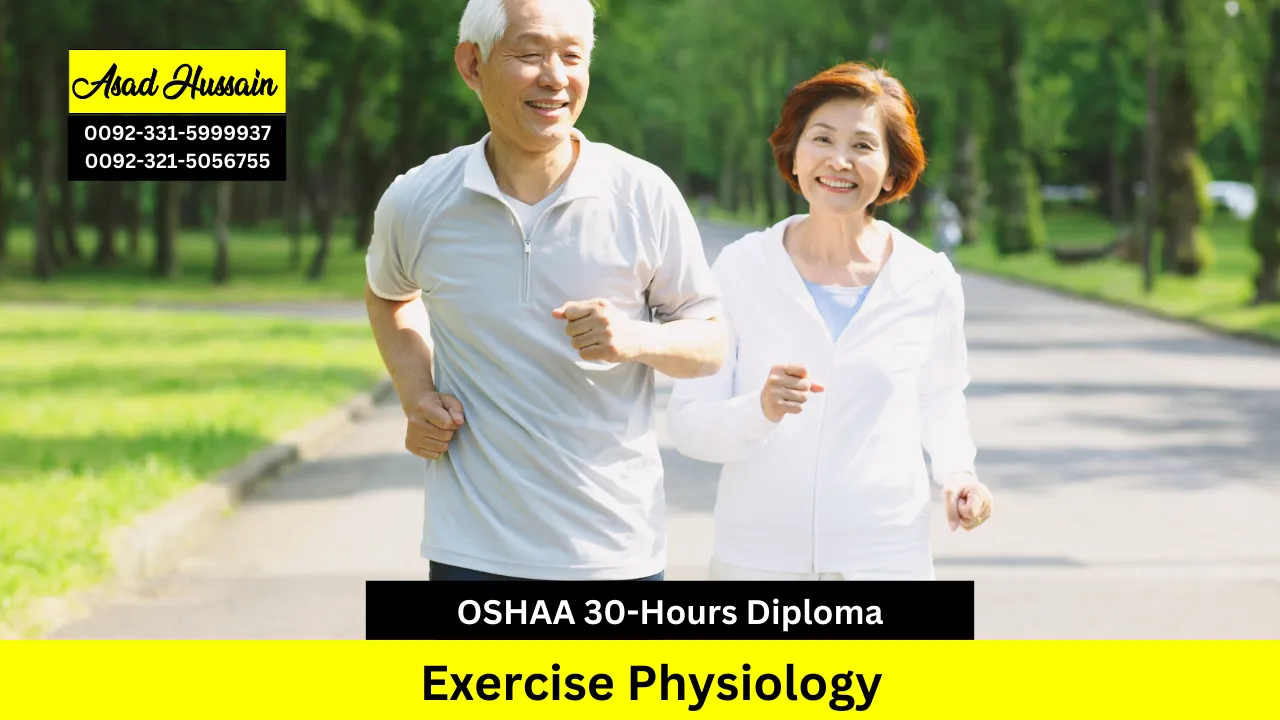
Empower Your Career in Fitness and Health with the Exercise Physiology Diploma
The OSHAA 30-Hours Professional Diploma in Exercise Physiology is a comprehensive programme designed to provide learners with a deep understanding of human physiology and how the body responds to physical activity. The course covers key concepts such as energy systems, muscle function, cardiovascular responses, and the adaptations that occur during exercise. Learners will gain knowledge on how exercise impacts performance, recovery, and overall health, equipping them to apply these principles in fitness, rehabilitation, and wellness contexts.
Throughout the programme, participants explore practical techniques for assessing physical performance, monitoring physiological responses, and optimising exercise programmes for different populations. Topics include exercise testing, functional assessments, and strategies to enhance endurance, strength, and flexibility safely and effectively. The curriculum combines theory and applied learning, enabling learners to understand the science behind exercise while developing the skills to implement evidence-based practices in real-world settings.
OSHAA 30-Hours Professional Diploma in Exercise Physiology equips learners with the expertise to evaluate human performance, design targeted exercise interventions, and promote health and wellbeing across diverse populations. This course is ideal for fitness professionals, coaches, wellness practitioners, and individuals aiming to enhance their knowledge of exercise science. Upon completion, learners will gain practical skills and a recognised diploma that aligns with professional certifications and diplomas in fitness, sports science, and health, enhancing both practical application and career credibility.
Study Units
- Introduction to Exercise Physiology and Homeostasis (3 hours)
- Cardiovascular and Respiratory Responses to Exercise (4 hours)
- Muscle Structure, Function, and Adaptation (4 hours)
- Energy Systems and Metabolic Function During Exercise (5 hours)
- Hormonal Regulation and Endocrine Responses to Physical Activity (3 hours)
- Neuromuscular Function and Motor Control in Exercise (3 hours)
- Principles of Training and Physiological Adaptation (5 hours)
- Exercise Prescription for Health and Chronic Disease Management (3 hours)
Entry Requirements
The OSHAA 30-Hours Professional Diploma in Exercise Physiology is designed to provide a comprehensive learning experience while remaining accessible to a variety of learners. To ensure participants can fully benefit from the course, the following entry requirements are recommended:
- Age Requirement: Learners should be at least 18 years old to enrol and participate in professional-level training.
- Educational Background: A basic level of education is required. Learners with related diplomas or certificates in fitness, sports science, anatomy, physiology, health, or wellness will find it easier to grasp the course content.
- Language Proficiency: The course is delivered in English, so learners should have sufficient reading and comprehension skills to engage effectively with the learning materials, practical exercises, and assessments.
While prior work experience in fitness, healthcare, rehabilitation, or wellness is beneficial, it is not mandatory. These requirements are designed to ensure that learners can successfully apply the knowledge and practical skills gained from the course in professional or personal contexts.
Learning Outcomes
Introduction to Exercise Physiology and Homeostasis (3 Hours)
- Define the scope and importance of exercise physiology
- Explain the concept of homeostasis and its role in physical activity
- Identify the body’s acute responses and adaptations to exercise stress
- Understand how the body maintains internal stability during activity
- Recognise the relationship between physiological responses and performance
Cardiovascular and Respiratory Responses to Exercise (4 Hours)
- Describe how the heart and lungs respond to different exercise intensities
- Understand oxygen transport and utilisation during physical activity
- Analyse cardiovascular adaptations resulting from long-term training
- Recognise how respiratory rate and volume adjust during exercise
- Apply knowledge to improve endurance and aerobic performance
Muscle Structure, Function, and Adaptation (4 Hours)
- Identify types and characteristics of skeletal muscle fibres
- Explain the process of muscle contraction and force generation
- Understand muscle hypertrophy and neural adaptations to resistance training
- Recognise how different training modalities affect muscle performance
- Apply principles of muscle function to optimise strength and conditioning
Energy Systems and Metabolic Function During Exercise (5 Hours)
- Describe the ATP-PC, glycolytic, and oxidative energy systems
- Understand how energy production varies with exercise intensity and duration
- Analyse the relationship between nutrition, metabolism, and performance
- Recognise the contribution of energy systems to endurance and strength
- Apply energy system knowledge to improve training and recovery strategies
Hormonal Regulation and Endocrine Responses to Physical Activity (3 Hours)
- Identify key hormones involved in exercise response and recovery
- Explain how exercise influences endocrine system activity
- Understand hormonal adaptations to different types of training
- Analyse the impact of hormonal responses on performance and recovery
- Apply endocrine knowledge to optimise exercise programmes
Neuromuscular Function and Motor Control in Exercise (3 Hours)
- Describe the neuromuscular pathways involved in movement and coordination
- Understand motor unit recruitment and muscle activation patterns
- Analyse the impact of training on neuromuscular efficiency and control
- Recognise the role of the nervous system in skill acquisition
- Apply neuromuscular principles to enhance movement efficiency and performance
Principles of Training and Physiological Adaptation (5 Hours)
- Explain the principles of overload, specificity, progression, and reversibility
- Design training programmes that elicit targeted physiological adaptations
- Evaluate training outcomes and modify programmes for continued improvement
- Understand adaptation timelines for endurance, strength, and flexibility
- Apply scientific principles to optimise individualised exercise plans
Exercise Prescription for Health and Chronic Disease Management (3 Hours)
- Understand how exercise contributes to prevention and management of chronic conditions
- Develop safe and effective exercise plans for individuals with varying health needs
- Apply evidence-based guidelines for exercise prescription in clinical and community settings
- Recognise contraindications and precautions for at-risk populations
- Implement strategies to improve adherence and long-term health outcomes
Target Audience
The OSHAA 30-Hours Professional Diploma in Exercise Physiology is designed for anyone looking to gain expert knowledge of human performance, physiological responses, and exercise prescription. It is ideal for fitness professionals, healthcare practitioners, wellness coaches, and individuals aiming to optimise physical health and athletic performance.
Fitness Professionals and Trainers
- Personal trainers seeking to enhance scientific knowledge of exercise physiology
- Strength and conditioning coaches designing effective training programmes
- Fitness instructors aiming to improve client performance and safety
- Sports coaches integrating physiological principles into athlete development
- Professionals working with diverse populations in gyms or sports settings
Healthcare and Rehabilitation Specialists
- Physiotherapists understanding movement, muscle function, and recovery
- Occupational therapists supporting patients with physical activity programmes
- Health practitioners designing exercise plans for chronic disease management
- Cardiac and pulmonary rehabilitation specialists applying exercise safely
- Clinicians aiming to enhance patient outcomes through exercise interventions
Wellness and Lifestyle Coaches
- Health coaches promoting physical activity and healthy lifestyles
- Nutrition and wellness professionals integrating exercise into holistic plans
- Workplace wellness coordinators implementing fitness programmes
- Community educators delivering evidence-based exercise guidance
- Practitioners supporting mental and physical health through movement
Students and Learners with Related Backgrounds
- Learners with diplomas or certificates in fitness, sports science, anatomy, physiology, or health
- Individuals studying healthcare, rehabilitation, or allied health courses
- Students seeking applied knowledge of human physiology and performance
- Learners looking to enhance professional credibility in health and fitness
- Those aiming to specialise in exercise prescription and physiological assessment
Individuals Focused on Personal Health
- Adults interested in improving cardiovascular, muscular, and metabolic health
- Fitness enthusiasts seeking scientific understanding of exercise responses
- Individuals managing lifestyle-related health conditions with exercise
- People aiming to optimise strength, endurance, and overall wellbeing
- Learners motivated to prevent injury and improve physical performance
This course equips learners with the knowledge and practical skills to assess physiological responses, design effective exercise programmes, and optimise health and performance for themselves or their clients.