Master Emergency Outdoor First Aid with Professional Diploma (EOFA)
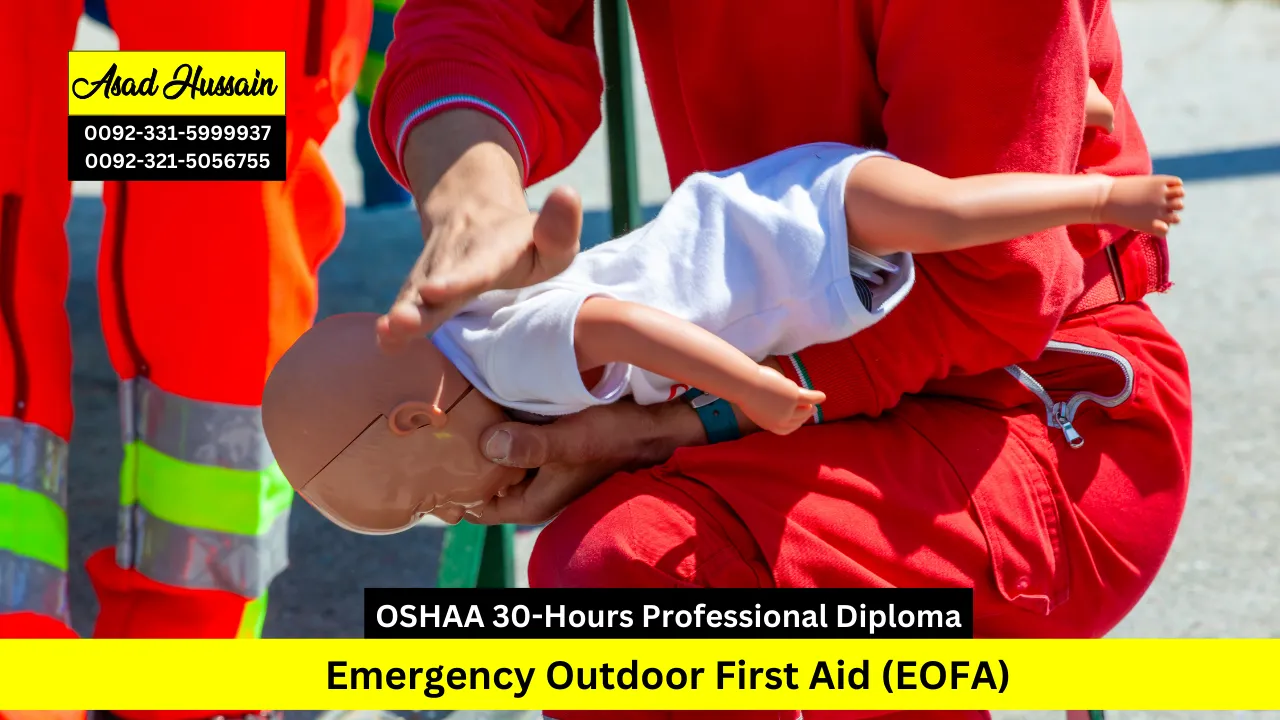
The OSHAA 30-Hours Professional Diploma in Emergency Outdoor First Aid (EOFA) is a comprehensive training programme designed to equip learners with essential life-saving skills for outdoor and remote environments. This course focuses on practical emergency response, rapid assessment, and effective first aid management where immediate medical support may not be available. It is suitable for individuals who work or operate in challenging outdoor settings and need the confidence to respond to injuries, illnesses, and critical situations. The programme is not Ofqual regulated and emphasizes real-world application, decision-making, and preparedness in unpredictable outdoor emergency scenarios.
This professional diploma delivers in-depth knowledge of emergency outdoor first aid practices, including patient stabilization, environmental hazard awareness, and emergency communication. Learners gain hands-on understanding of how to manage incidents in wilderness, construction sites, adventure activities, and remote work locations. The course content is structured to align with globally recognized safety practices and supports individuals who hold or aim to achieve various safety certifications and professional diplomas within occupational health, outdoor safety, and emergency response sectors. Strong emphasis is placed on confidence building, practical skills, and responsible first aid leadership.
OSHAA 30-Hours Professional Diploma in Emergency Outdoor First Aid (EOFA) provides a valuable foundation for professionals seeking to strengthen their emergency response capabilities in outdoor conditions. The training enhances professional credibility and complements a wide range of safety certifications and diplomas by reinforcing essential first aid competencies. Learners benefit from scenario-based learning, expert-designed modules, and clear guidance on managing emergencies effectively until advanced support arrives. This diploma is ideal for those who prioritize safety, preparedness, and professional excellence in demanding outdoor environments.
Program Highlights
Mandatory Unit
- ntroduction to Emergency Outdoor First Aid and Legal Responsibilities (2 Hours)
- Outdoor Risk Assessment and Scene Management (3 Hours)
- Casualty Assessment and Primary Survey in Remote Environments (4 Hours)
- Cardiopulmonary Resuscitation (CPR) and Automated External Defibrillator (AED) Use (4 Hours)
- Management of Bleeding, Wounds, and Shock in Outdoor Settings (4 Hours)
- Treatment of Fractures, Sprains, and Soft Tissue Injuries in the Outdoors (4 Hours)
- Environmental Emergencies: Hypothermia, Heatstroke, Dehydration, and Bites (4 Hours)
- Prolonged Care and Monitoring in Remote Locations (3 Hours)
- Emergency Evacuation Procedures and Communication Techniques (2 Hours)
- Age Requirement Learners should be at least 18 years of age.
- Educational Background Basic secondary education is recommended. Related diplomas or certificates in first aid, occupational health and safety, outdoor safety, or emergency response are beneficial but not mandatory.
- Language Proficiency Basic English reading and communication skills are required.
- Work Experience Prior outdoor or safety-related experience is an advantage but not essential.
Learning Outcomes
Introduction to Emergency Outdoor First Aid and Legal Responsibilities (2 Hours)
- Understand the principles and scope of outdoor first aid
- Recognise legal and ethical responsibilities related to outdoor emergency care
- Identify key regulations governing first aid in remote settings
Outdoor Risk Assessment and Scene Management (3 Hours)
- Conduct effective risk assessments specific to outdoor environments
- Manage emergency scenes safely and efficiently
- Prioritise actions to protect casualties and responders in remote locations
Casualty Assessment and Primary Survey in Remote Environments (4 Hours)
- Perform thorough casualty assessments in challenging outdoor conditions
- Conduct primary surveys to identify life-threatening issues
- Adapt assessment techniques to limited resources and environmental constraints
Cardiopulmonary Resuscitation (CPR) and Automated External Defibrillator (AED) Use (4 Hours)
- Demonstrate CPR techniques in line with international standards
- Operate AED devices confidently in emergency situations
- Integrate CPR and AED use effectively in outdoor rescue scenarios
Management of Bleeding, Wounds, and Shock in Outdoor Settings (4 Hours)
- Identify and control various types of bleeding in remote conditions
- Apply appropriate wound care and dressing methods
- Recognise and manage shock with consideration to environmental factors
Treatment of Fractures, Sprains, and Soft Tissue Injuries in the Outdoors (4 Hours)
- Identify common musculoskeletal injuries encountered outdoors
- Apply immobilisation and support techniques using improvised materials
- Provide pain relief and care tailored to remote settings
Environmental Emergencies: Hypothermia, Heatstroke, Dehydration, and Bites (4 Hours)
- Recognise signs and symptoms of environmental emergencies
- Administer correct first aid treatments for hypothermia, heatstroke, dehydration, and bites
- Implement prevention strategies to minimise environmental risks
Prolonged Care and Monitoring in Remote Locations (3 Hours)
- Manage casualties when evacuation is delayed or prolonged
- Monitor vital signs and changes in casualty condition over time
- Provide comfort and maintain safety until advanced medical help arrives
Emergency Evacuation Procedures and Communication Techniques (2 Hours)
- Plan and execute safe evacuation strategies in outdoor settings
- Utilise effective communication methods for coordinating rescue efforts
- Understand the importance of teamwork and clear information exchange during emergencies
Target Audience
The OSHAA 30-Hours Professional Diploma in Emergency Outdoor First Aid (EOFA) is designed for individuals who need practical, reliable, and effective first aid skills to manage emergencies in outdoor and remote environments where immediate medical assistance may not be available.
Outdoor and Field-Based Professionals
- Workers operating in remote or outdoor locations
- Construction and infrastructure site personnel
- Utility, maintenance, and inspection staff
- Environmental and field research teams
- Forestry, mining, and agricultural workers
Adventure and Recreation Personnel
- Outdoor activity instructors and guides
- Adventure tourism and expedition staff
- Camping and trekking coordinators
- Sports and recreation supervisors
- Event staff managing outdoor activities
Health, Safety, and Emergency Support Staff
- Health and safety officers working in outdoor settings
- Workplace first aiders and safety representatives
- Emergency response team members
- Site supervisors with safety responsibilities
- Personnel supporting incident management
Security and Community Response Roles
- Security personnel assigned to outdoor or remote sites
- Community safety volunteers
- Event marshals and crowd safety staff
- Disaster preparedness support teams
- Civil protection and response assistants
Individuals Seeking Essential Life-Saving Skills
- Individuals interested in building emergency response confidence
- Those responsible for group safety during outdoor activities
- People working in high-risk or isolated environments
- Team leaders with duty-of-care responsibilities
- Anyone aiming to improve practical first aid readiness
Organizations Focused on Safety Preparedness
- Companies operating in remote or outdoor environments
- Training departments enhancing workforce safety skills
- Organizations promoting emergency preparedness
- Teams responsible for risk management and safety planning
- Employers prioritizing employee welfare and response capability