Ultimate OSHAA 30-Hour Guide to Professional Early Childhood Needs & Safety
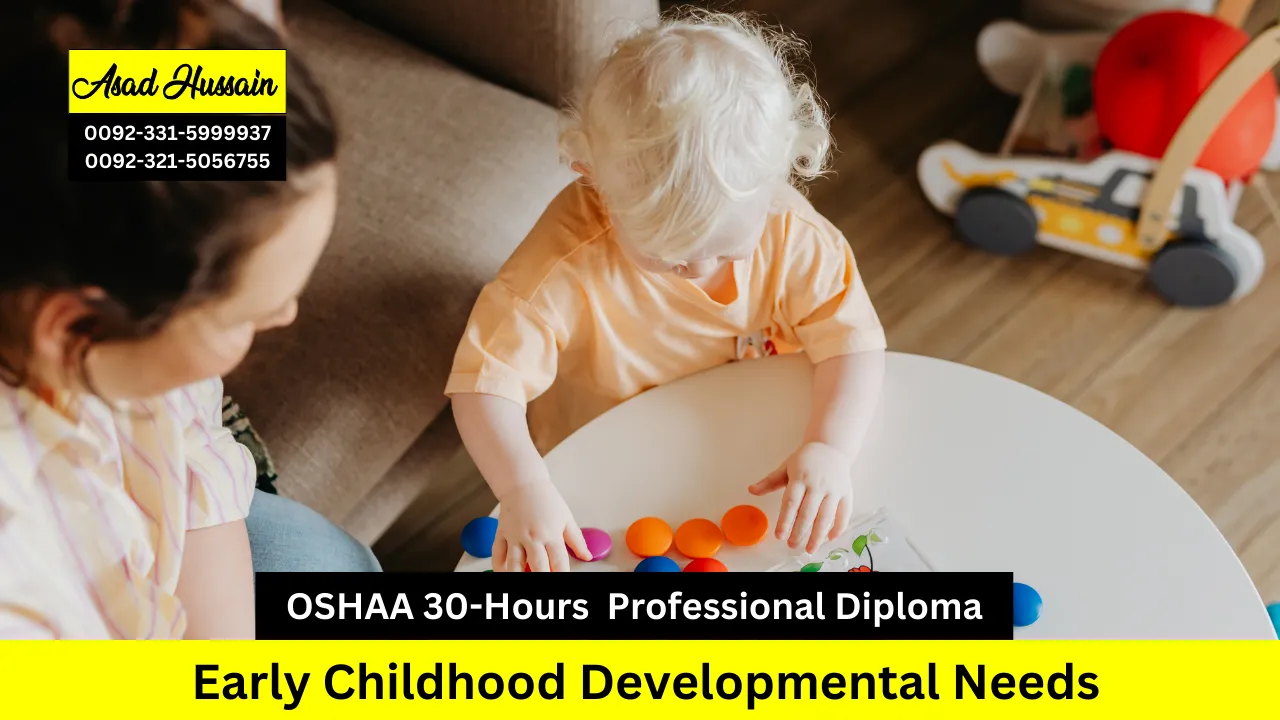
The OSHAA 30-Hours Professional Diploma in Early Childhood Developmental Needs is an elite training program designed to equip practitioners with a sophisticated understanding of the critical milestones in a child’s early years. This curriculum masterfully integrates the science of pediatric growth with essential clinical safety and occupational health standards. Participants explore the nuances of cognitive, physical, and social-emotional development while learning to identify potential delays and environmental hazards. By mastering these specialized protocols, professionals ensure that developmental support is delivered within a secure, compliant, and highly organized environment that prioritizes child welfare and practitioner accountability at every stage.
This comprehensive program bridges the gap between early childhood theory and the practical safety requirements of modern educational and care facilities. You will gain deep insights into hazard identification within play-based environments, the proper implementation of sanitation protocols, and the ethical management of sensitive developmental data. While this course is not Ofqual regulated, it delivers the high-level technical expertise necessary to lead developmental initiatives effectively within a professional setting. The training emphasizes a proactive culture of safety, empowering you to design and oversee robust growth-monitoring frameworks that meet international expectations. You will emerge with the specialized skills needed to handle complex developmental scenarios.
OSHAA 30-Hours Professional Diploma in Early Childhood Developmental Needs graduates are exceptionally well-positioned to pursue advanced career paths and prestigious professional recognitions in the global education and child health sectors. Completing this diploma serves as a powerful validation of your expertise, opening doors to specialized roles such as Developmental Coordinator or Early Years Safety Consultant. Your comprehensive understanding of these safety standards acts as a vital foundation for those pursuing additional professional certifications and diplomas in inclusive education or pediatric health management. By building this world-class foundation, you significantly enhance your professional portfolio, making you a top-tier candidate for leadership positions and specialized consultancy roles.
Program Highlights
Study Units
- Introduction to Early Childhood Development (3 hours)
- Physical Growth and Motor Skill Development (3 hours)
- Cognitive Development and Learning Foundations (4 hours)
- Emotional and Social Development in Early Years (4 hours)
- Language Acquisition and Communication Skills (5 hours)
- Understanding Behaviour and Supporting Positive Guidance (5 hours)
- Identifying Developmental Delays and Special Educational Needs (4 hours)
- Creating Inclusive and Stimulating Learning Environments (2 hours)
Entry Requirements
To enroll in the OSHAA 30-Hours Professional Diploma in Early Childhood Developmental Needs, applicants must meet the following criteria to ensure they have the necessary foundation for high-level pediatric safety and developmental analysis:
- Age and Educational Background: Applicants must be at least 18 years old and hold a high school diploma. Preference is given to those who possess a Diploma in Early Childhood Education, a Level 3 Diploma in Childcare, or a Certificate in Child Development.
- Language Proficiency: A solid command of the English language is essential for interpreting developmental assessment tools, clinical safety guidelines, and complex theoretical frameworks.
- Work Experience: While not a strict prerequisite, 6–12 months of experience in a nursery, school, or healthcare setting—or holding a Professional Certificate in Special Educational Needs (SEN)—is highly beneficial for practical application.
These requirements are designed to maintain the professional integrity of the diploma, ensuring all participants are ready to master advanced strategies for supporting the growth and safety of young children.
Learning Outcomes
Introduction to Early Childhood Development
- Understand the key biological stages and major milestones in early childhood growth.
- Recognize the vital importance of the early years in shaping lifelong learning and behavioral patterns.
- Identify the core developmental theories and their practical applications in early childhood settings.
- Develop a deep awareness of factors influencing development, ranging from genetics to environmental exposure.
Physical Growth and Motor Skill Development
- Learn the standard physiological stages of physical growth in children from birth to age eight.
- Understand the critical development of both fine motor skills (precision) and gross motor skills (movement).
- Identify common motor milestones and their long-term significance in overall child development.
- Recognize the clinical signs of delayed motor skills and master strategies for supporting physical growth.
Cognitive Development and Learning Foundations
- Understand the step-by-step cognitive development process and brain maturation in young children.
- Recognize how children acquire, process, and store new information during the formative years.
- Identify external factors that influence cognitive growth, specifically play-based learning and social interaction.
- Apply evidence-based strategies to support cognitive development within a structured learning environment.
Emotional and Social Development in Early Years
- Explore the key concepts of emotional intelligence and social bonding during early childhood.
- Understand the mechanics of how children form initial relationships and internalize social norms.
- Identify early signs of emotional or social difficulties and learn how to provide professional support.
- Develop proactive strategies to encourage positive social interactions and healthy emotional regulation.
Language Acquisition and Communication Skills
- Understand the sequential stages of language development, from phonetic awareness to complex sentence structure.
- Identify common clinical challenges in language acquisition and speech-related communication barriers.
- Explore the pivotal role of caregivers and educators in fostering advanced linguistic skills.
- Develop practical strategies to support language development and enhance communication in early years settings.
Understanding Behaviour and Supporting Positive Guidance
- Understand the underlying biological and environmental factors that influence behavior in young children.
- Learn how to scientifically observe and assess behavioral patterns to identify root causes.
- Develop effective, safety-first strategies for guiding behavior in a positive and supportive manner.
- Explore constructive approaches to managing challenging behaviors while maintaining a secure environment.
Identifying Developmental Delays and Special Educational Needs
- Learn to recognize the specific signs of developmental delays and various Special Educational Needs (SEN).
- Understand common types of developmental delays and their long-term implications for the child.
- Develop strategies for early intervention and individualized support for children with SEN.
- Familiarize yourself with professional referral processes and inter-disciplinary collaboration.
Creating Inclusive and Stimulating Learning Environments
- Learn how to design learning environments that are physically safe, inclusive, and supportive for all.
- Understand the importance of creating a stimulating environment that promotes natural exploration.
- Develop strategies for adapting physical spaces and curriculum to meet diverse developmental needs.
- Foster a positive, engaging atmosphere that supports the holistic development of every child in the program.
Target Audience
The OSHAA 30-Hours Professional Diploma in Early Childhood Developmental Needs is a specialized program designed for professionals who are committed to optimizing the formative years of childhood through a blend of developmental science, clinical safety, and inclusive practice.
Early Years Educators and Nursery Practitioners
- Nursery managers seeking to implement high-standard developmental tracking systems.
- Preschool teachers wanting to deepen their understanding of cognitive milestones.
- Early years practitioners focusing on age-appropriate physical growth activities.
- Kindergarten assistants aiming to better support social-emotional transitions.
- Montessori and play-based educators integrating safety-first developmental protocols.
- Childcare providers in private settings requiring professional certification in child needs.
Special Educational Needs (SEN) Specialists
- SEN coordinators (SENCOs) managing individualized support plans for diverse learners.
- Learning support assistants working specifically with children showing developmental delays.
- Inclusion managers ensuring that educational environments are accessible to all children.
- Behavioral interventionists focusing on positive guidance for neurodivergent students.
- Speech and language therapy assistants supporting early communication challenges.
- Resource teachers adapting curriculum materials for specific developmental requirements.
Healthcare and Pediatric Support Staff
- Pediatric nursing assistants monitoring growth and motor skill milestones in clinics.
- Occupational therapy assistants working on fine motor and sensory processing needs.
- Community health workers providing guidance on early childhood nutrition and growth.
- Rehabilitation technicians assisting in early intervention programs for physical delays.
- Clinic administrators overseeing the safety and compliance of pediatric facilities.
- Mental health support workers focusing on early attachment and emotional regulation.
Child Welfare and Social Services Professionals
- Social workers assessing the developmental wellbeing of children in at-risk environments.
- Family support workers coaching parents on fostering healthy developmental milestones.
- Foster care agency staff training caregivers on recognizing developmental red flags.
- Child protection officers ensuring that developmental neglect is identified and addressed.
- NGO project managers designing early childhood intervention programs in various communities.
- Advocates for children’s rights focusing on the universal right to developmental support.
School Leadership and Policy Managers
- School principals developing comprehensive early years’ safety and growth policies.
- Education consultants advising on the design of stimulating and inclusive classrooms.
- Quality assurance officers auditing early childhood centers for safety and standards.
- Curriculum developers ensuring that learning outcomes align with developmental stages.
- Training managers responsible for the professional development of early years staff.
- Government advisors focusing on early childhood health and education frameworks.
Aspiring Professionals and Career Changers
- Students holding a Diploma in Early Childhood Education seeking a niche specialty.
- Professionals with a Level 3 Diploma in Childcare aiming for career advancement.
- Individuals possessing a Professional Certificate in Special Educational Needs.
- Career changers moving from general healthcare into the early childhood sector.
- Graduates in psychology or sociology focusing on applied pediatric development.
- Private tutors specializing in early years cognitive and language foundations.
By enrolling in this diploma, you secure the expert knowledge and professional authority required to lead developmental initiatives, ensuring every child in your care reaches their full potential within a safe and nurturing framework.