Master Emotional Regulation with the Professional Diploma
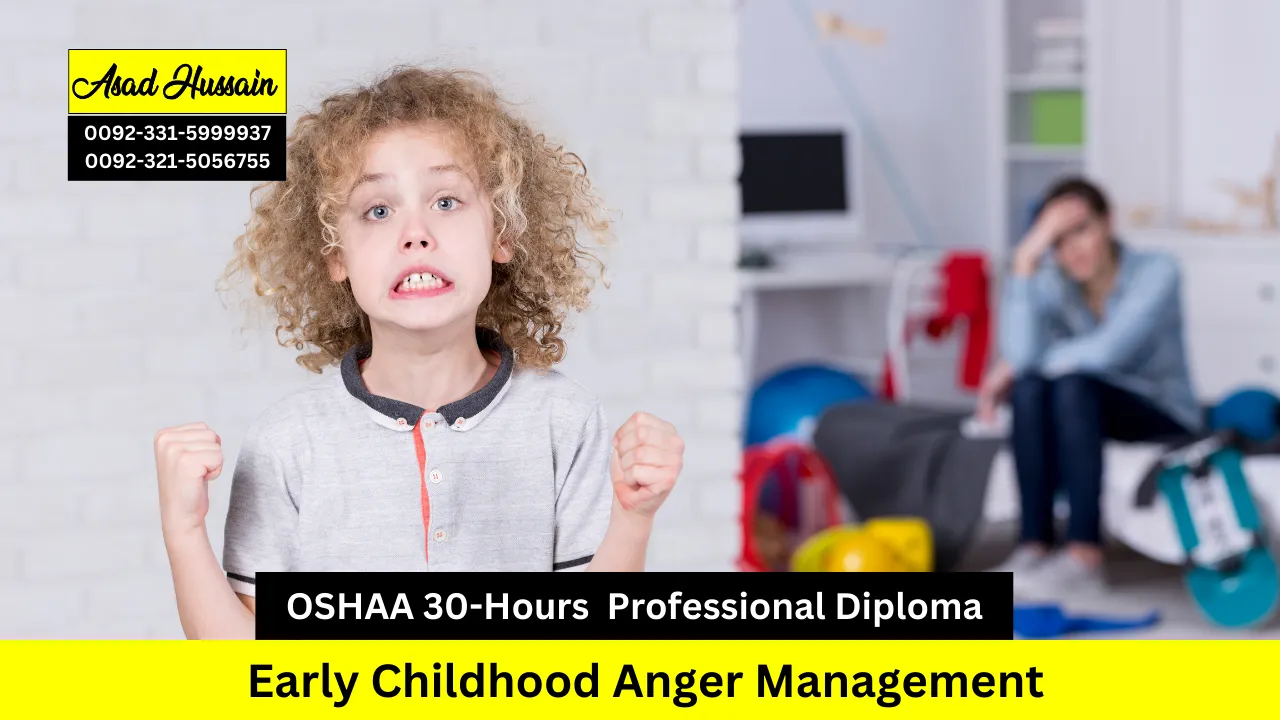
The OSHAA 30-Hours Professional Diploma in Early Childhood Anger Management provides a comprehensive psychological foundation for understanding the complex emotional landscapes of developing children. This curriculum is meticulously designed to bridge the gap between basic behavioral observation and advanced emotional regulation strategies within diverse educational and domestic environments. Students will explore the neurological triggers of frustration, the developmental stages of emotional expression, and the sophisticated de-escalation techniques required to maintain a safe learning space.
Participants will engage with advanced modules covering site-specific behavioral risk assessments, the implementation of positive reinforcement frameworks, and the ethical guidelines governing therapeutic interaction with minors. While this program is an independent professional development offering and does not fall under Ofqual regulation, it remains a vital asset for those dedicated to fostering emotionally resilient and secure classroom cultures. The training emphasizes practical application, ensuring that educators and childcare managers can identify potential emotional outbursts before they escalate into disruptive crises.
The OSHAA 30-Hours Professional Diploma in Early Childhood Anger Management serves as a significant milestone for educational practitioners looking to validate their expertise in behavioral hazard management. Upon successful completion, individuals may find this foundational knowledge serves as a robust pillar when pursuing additional specialized certifications or advanced diplomas in child psychology and social-emotional learning. These further credentials can enhance a professional’s portfolio, offering a broader scope of authority in educational leadership and behavioral therapy roles.
Program Highlights
Study Units
- Introduction to Anger in Early Childhood (3 hours)
- Psychological and Biological Causes of Anger in Children (4 hours)
- Recognising the Signs of Anger in Children (3 hours)
- Coping Mechanisms and Emotional Regulation Techniques (4 hours)
- Role of Parents, Caregivers, and Educators in Anger Management (3 hours)
- Developing Emotional Intelligence in Early Childhood (3 hours)
- Conflict Resolution Strategies for Young Children (3 hours)
- Managing Aggressive Behaviour and Tantrums (5 hours)
- Creating Supportive Environments for Emotional Growth (2 hours)
Entry Requirements
To enroll in the OSHAA 30-Hours Professional Diploma in Early Childhood Anger Management, applicants must meet the following baseline criteria:
- Age and ID: Applicants must be at least 18 years old and provide a valid government-issued photo ID.
- Education and Language: A High School Diploma or equivalent is required. Candidates should have a strong command of English and ideally hold a basic Certificate in Childcare or a Diploma in Educational Psychology.
- Experience: At least 1 to 2 years of work experience in early years education, social work, or child counseling is highly recommended.
These requirements ensure that all participants possess the foundational knowledge and professional maturity needed to implement sensitive emotional regulation strategies.
Learning Outcomes
Introduction to Anger in Early Childhood (3 Hours)
- Understand the concept and definition of anger in early childhood
- Identify normal versus concerning anger expressions in young children
- Explore the developmental context of emotional responses in early years
Psychological and Biological Causes of Anger in Children (4 Hours)
- Examine psychological triggers that may lead to anger in children
- Understand the influence of neurological and biological factors
- Explore the role of temperament, brain development, and trauma
Recognising the Signs of Anger in Children (3 Hours)
- Learn to identify behavioural, verbal, and physical signs of anger
- Recognise early warning signs and emotional cues
- Understand differences in how anger manifests across age groups
Coping Mechanisms and Emotional Regulation Techniques (4 Hours)
- Explore age-appropriate coping strategies for children
- Understand techniques to teach children self-regulation of emotions
- Practise methods for reducing anger and promoting calm behaviour
Role of Parents, Caregivers, and Educators in Anger Management (3 Hours)
- Understand the impact of adult responses to child anger
- Learn practical ways adults can support healthy emotional expression
- Foster positive adult-child relationships that aid emotional control
Developing Emotional Intelligence in Early Childhood (3 Hours)
- Define emotional intelligence and its components for young children
- Learn activities and practices that promote self-awareness and empathy
- Understand how emotional intelligence helps reduce frustration and anger
Conflict Resolution Strategies for Young Children (3 Hours)
- Explore age-appropriate approaches to conflict resolution
- Teach problem-solving and communication skills to children
- Guide children through disagreements in constructive ways
Managing Aggressive Behaviour and Tantrums (5 Hours)
- Understand the root causes of aggressive behaviour and tantrums
- Develop strategies for de-escalating intense emotional reactions
- Learn effective intervention methods that maintain safety and promote learning
Creating Supportive Environments for Emotional Growth (2 Hours)
- Discover how physical and emotional environments influence behaviour
- Learn how to create nurturing spaces that encourage emotional development
- Understand the role of consistency, routine, and positive reinforcement
Target Audience
The OSHAA 30-Hours Professional Diploma in Early Childhood Anger Management is specifically designed for educators, caregivers, and mental health practitioners who are committed to fostering emotional intelligence and maintaining safe, harmonious learning environments for young children.
Early Childhood Educators and Teachers
- Preschool teachers seeking advanced strategies for classroom behavioral management.
- Kindergarten instructors focused on developing social-emotional learning curricula.
- Nursery staff responsible for managing daily peer-to-peer interactions.
- Teaching assistants supporting children with specific emotional regulation needs.
- Headteachers aiming to implement school-wide positive behavior frameworks.
- Early years practitioners working in diverse multicultural educational settings.
Childcare Providers and Facility Managers
- Daycare center owners looking to enhance safety and behavioral standards.
- Nannies and private tutors specializing in early childhood development.
- After-school program coordinators managing large groups of active children.
- Summer camp directors responsible for camper well-being and conflict resolution.
- Playgroup facilitators designing activities that promote emotional expression.
- Childcare administrators drafting internal policies for behavioral intervention.
Mental Health and Social Support Workers
- Child counselors providing therapeutic support for emotional outbursts.
- Social workers assisting families with children exhibiting behavioral challenges.
- Behavior interventionists creating individualized support plans for students.
- Educational psychologists studying the triggers of early childhood frustration.
- Family support officers teaching parents effective de-escalation techniques.
- Youth mentors focused on building resilience and emotional maturity.
Special Educational Needs (SEN) Professionals
- SEN coordinators (SENCOs) managing complex behavioral profiles in schools.
- Applied Behavior Analysis (ABA) therapists working on emotional control.
- Speech and language therapists addressing communication-based frustration.
- Occupational therapists helping children process sensory triggers for anger.
- Inclusion specialists ensuring every child has access to a safe learning space.
- Learning support practitioners focused on neurodivergent emotional patterns.
Healthcare and Pediatric Specialists
- Pediatric nurses managing child behavior in clinical or hospital settings.
- Child life specialists helping children cope with the stress of medical care.
- School nurses identifying underlying physical causes for irritability.
- Developmental pediatricians assessing the link between growth and behavior.
- Healthcare assistants supporting therapeutic play sessions in clinics.
- Wellness coaches focused on holistic early childhood mental health.
Parents and Legal Guardians
- Parents seeking professional-grade tools to manage household conflict.
- Foster parents providing care for children with high emotional needs.
- Adoptive parents building secure emotional bonds and regulation habits.
- Grandparents or extended family members acting as primary caregivers.
- Legal guardians responsible for the holistic development of minors.
- Home-schooling parents integrating emotional intelligence into their lessons.
By uniting these diverse professional and personal roles, the course establishes a multi-disciplinary network of experts capable of transforming childhood frustration into constructive emotional growth, ensuring a safer and more supportive future for the next generation.