Elevate Your Clinical Practice: Professional Diploma in Cerebral Palsy
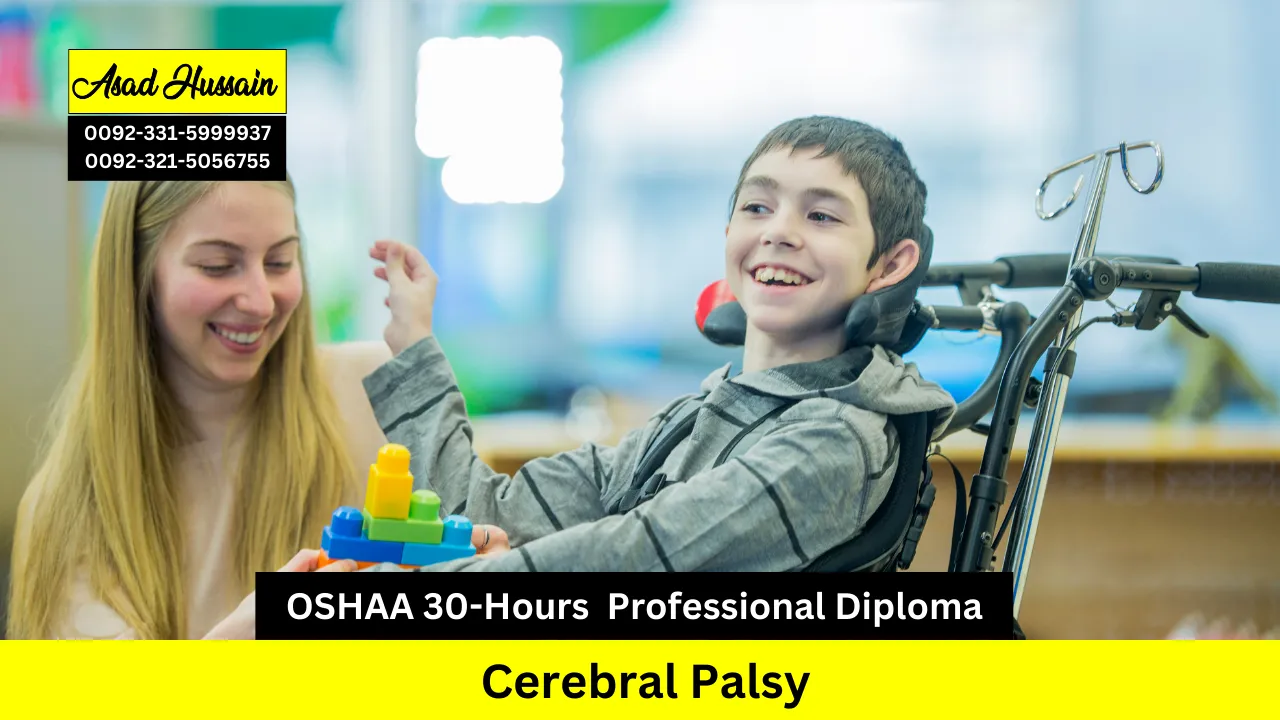
The OSHAA 30-Hours Professional Diploma in Cerebral Palsy offers an intensive clinical exploration into the neurological and musculoskeletal complexities of this permanent movement disorder. This curriculum is meticulously designed to bridge the gap between general caregiving and advanced specialized intervention for pediatric and adult populations. Students will analyze the various classifications of the condition, including spastic, dyskinetic, and ataxic types, while mastering the physiological impact of brain injury on muscle tone and coordination.
Participants will engage with advanced modules covering site-specific mobility risk assessments, the implementation of assistive technology frameworks, and the ethical guidelines governing therapeutic interaction and patient dignity. While this program is an independent professional development offering and does not fall under Ofqual regulation, it remains a vital asset for those dedicated to mastering the art of physical habilitation and long-term care management. The training emphasizes practical application, ensuring that therapists and care managers can identify secondary complications like contractures or respiratory issues before they escalate. Through anatomical analysis, the course fosters a proactive mindset essential for managing modern challenges and promoting somatic health.
The OSHAA 30-Hours Professional Diploma in Cerebral Palsy serves as a significant milestone for healthcare practitioners looking to validate their expertise in neurodevelopmental conditions and physical disability management. Upon successful completion, individuals may find this foundational knowledge serves as a robust pillar when pursuing additional specialized certifications or advanced diplomas in pediatric nursing and rehabilitative therapy. These further credentials can enhance a professional’s portfolio, offering a broader scope of authority in multidisciplinary health clinics and specialized educational institutions.
Program Highlights
Study Units
- Introduction to Cerebral Palsy: Causes, Types, and Symptoms (3 hours)
- Early Diagnosis and Intervention Strategies for Cerebral Palsy (4 hours)
- The Role of Physical Therapy in Cerebral Palsy Management (4 hours)
- Occupational Therapy Techniques for Cerebral Palsy (3 hours)
- Speech and Language Therapy in Cerebral Palsy (5 hours)
- Psychosocial Support for Individuals with Cerebral Palsy and Their Families (4 hours)
- Assistive Technology and Mobility Aids for Cerebral Palsy (3 hours)
- Educational Support and Inclusion Strategies for Children with Cerebral Palsy (3 hours)hours)
- Crisis Intervention and De-escalation Techniques (5 hours)
Entry Requirements
To enroll in the OSHAA 30-Hours Professional Diploma in Cerebral Palsy, applicants must meet the following baseline criteria:
- Age and ID: Applicants must be at least 18 years old and provide a valid government-issued photo ID.
- Education and Language: A High School Diploma or equivalent is required. Candidates should have a strong command of English and ideally hold a basic Certificate in Health Science or a Diploma in Caregiving.
- Experience: At least 1 to 2 years of work experience in nursing, physiotherapy, or special education is highly recommended.
These requirements ensure that all participants possess the foundational knowledge and professional maturity needed to manage complex neurodevelopmental care and physical intervention strategies.
Learning Outcomes
Introduction to Cerebral Palsy: Causes, Types, and Symptoms (3 Hours)
- Understand causes and risk factors for cerebral palsy
- Identify different types and their distinguishing features
- Recognise common symptoms and individual variations
- Learn the importance of early identification for management
Early Diagnosis and Intervention Strategies for Cerebral Palsy (4 Hours)
- Gain knowledge of diagnostic tools and early detection methods
- Understand the role of early intervention in improving outcomes
- Learn evidence-based therapeutic strategies
- Develop skills to collaborate with multidisciplinary teams
The Role of Physical Therapy in Cerebral Palsy Management (4 Hours)
- Understand principles and goals of physical therapy
- Learn to design and implement programs to enhance motor function
- Develop knowledge of key exercises and techniques
- Understand how therapy improves mobility and reduces spasticity
Occupational Therapy Techniques for Cerebral Palsy (3 Hours)
- Learn principles of occupational therapy in cerebral palsy
- Understand how it enhances daily living and fine motor skills
- Identify strategies to promote independence
- Develop practical skills for adapting environments to support children
Speech and Language Therapy in Cerebral Palsy (5 Hours)
- Understand speech and language challenges in children with cerebral palsy
- Learn techniques to improve communication skills
- Gain knowledge of augmentative and alternative communication (AAC) systems
- Develop strategies to work with families on language development at home
Psychosocial Support for Individuals with Cerebral Palsy and Their Families (4 Hours)
- Recognise emotional and psychological challenges faced by individuals and families
- Learn how to provide emotional support and counselling
- Understand the importance of social inclusion and community engagement
- Develop strategies to promote positive coping mechanisms
Assistive Technology and Mobility Aids for Cerebral Palsy (3 Hours)
- Gain knowledge of assistive technology for cerebral palsy management
- Learn to select and customise mobility aids
- Understand the role of technology in supporting communication, learning, and physical function
- Develop skills to assess needs and recommend appropriate devices
Educational Support and Inclusion Strategies for Children with Cerebral Palsy (3 Hours)
- Learn about educational challenges faced by children with cerebral palsy
- Understand principles of inclusive education and support strategies
- Collaborate with educators and professionals for optimal learning outcomes
- Develop skills to adapt learning materials and teaching methods
Target Audience
The OSHAA 30-Hours Professional Diploma in Cerebral Palsy is specifically developed for healthcare providers, specialized educators, and rehabilitative therapists who require a deep, technical understanding of motor impairments and neurodevelopmental support to enhance the lives of those living with this condition.
Nursing and Clinical Healthcare Staff
- Pediatric nurses managing the daily medical needs of children with spasticity.
- Hospital staff responsible for postoperative care following orthopedic surgeries.
- Clinical assistants providing long-term support in residential disability centers.
- Community health workers monitoring nutritional and respiratory health in patients.
- Home health aides delivering specialized bedside care and medication management.
- Palliative care professionals focusing on comfort and quality of life for severe cases.
Physical and Occupational Therapists
- Physiotherapists designing targeted muscle strengthening and flexibility programs.
- Occupational therapists adapting environments for increased patient independence.
- Rehabilitation assistants implementing gait training and mobility exercises.
- Sports therapists working with para-athletes on specialized physical conditioning.
- Kinesiologists analyzing movement patterns to prevent secondary joint contractures.
- Hydrotherapy specialists using aquatic environments to reduce muscle tension.
Special Education and Academic Professionals
- SEN coordinators (SENCOs) developing Individualized Education Programs (IEPs).
- Classroom teachers integrating assistive communication technology for students.
- Learning support assistants providing 1-to-1 physical aid during school hours.
- School administrators ensuring facility compliance with accessibility standards.
- Early intervention specialists identifying motor delays in preschool settings.
- Educational psychologists addressing the social-emotional impact of physical disability.
Orthopedic and Mobility Technicians
- Orthotists fitting braces and splints to improve limb alignment and function.
- Seating specialists customizing wheelchairs for optimal postural support.
- Medical equipment technicians maintaining electronic communication devices.
- Prosthetic assistants understanding the biomechanical needs of the patient.
- Accessibility consultants designing home modifications for motorized transport.
- Biomedical engineers developing new tools for neuro-motor rehabilitation.
Social Services and Disability Advocates
- Case managers coordinating multidisciplinary care teams for complex patients.
- Disability rights advocates ensuring legal access to healthcare and employment.
- Social workers assisting families with the financial and emotional load of care.
- Care coordinators navigating the transition from pediatric to adult services.
- Policy makers drafting inclusive community health and safety legislation.
- Non-profit directors managing outreach for cerebral palsy awareness and funding.
Families and Dedicated Caregivers
- Parents seeking professional-grade knowledge to manage home-based therapy.
- Foster caregivers specialized in looking after children with complex medical needs.
- Siblings or relatives taking on long-term caregiving responsibilities.
- Legal guardians managing the holistic well-being of individuals with disabilities.
- Private nannies focusing on neurodevelopmental play and physical support.
- Home-schooling parents integrating physical therapy into the daily curriculum.
By uniting these diverse specialists under a single professional framework, this course creates a powerful network of experts equipped to provide life-changing intervention, ensuring that individuals with cerebral palsy receive the highest standard of specialized care and community inclusion.