Master Caregiver Stress and Burnout with Professional Diploma
OSHAA 30-Hours Professional Diploma in Caregiver Stress and Burnout
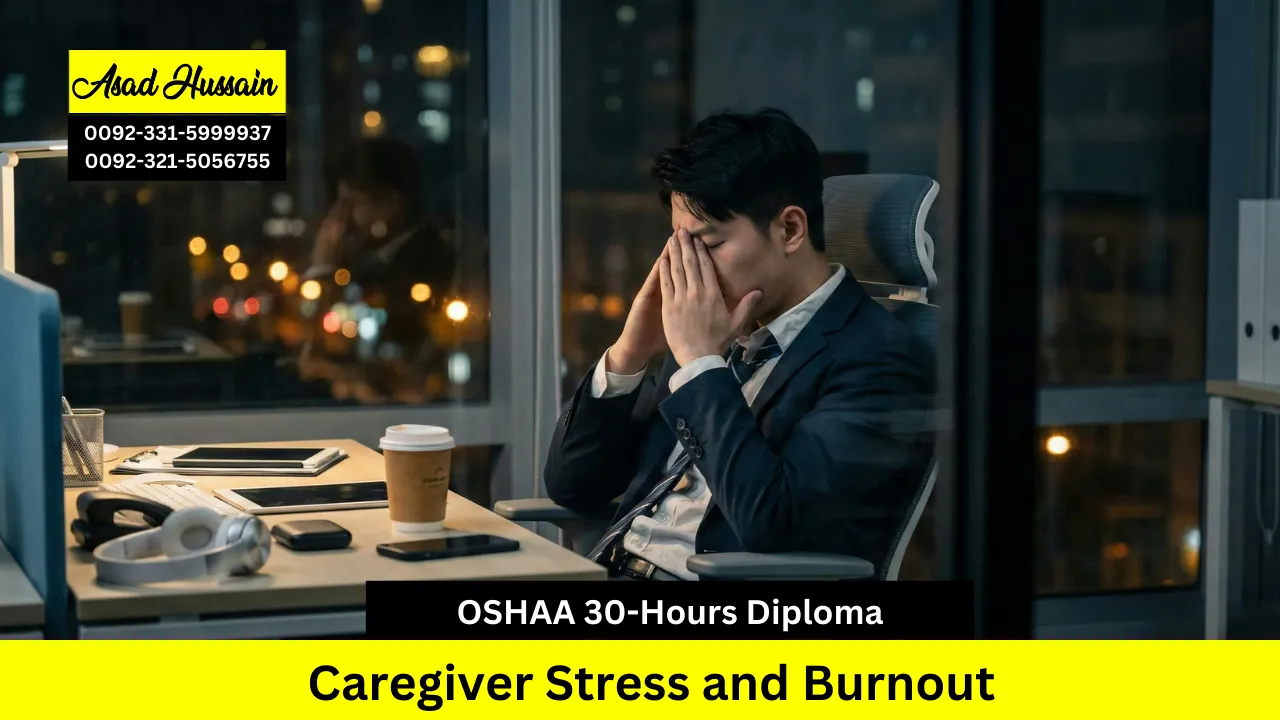
Caring for others, whether in professional or personal settings, can be immensely rewarding, yet it often comes with significant emotional, physical, and mental challenges. Many caregivers experience ongoing stress due to high demands, long hours, and the emotional burden of supporting vulnerable individuals. Recognising the early signs of fatigue, overwhelm, and burnout is critical to maintaining both personal well-being and the quality of care provided. This course emphasises awareness, prevention strategies, and self-care techniques to equip caregivers with the knowledge to sustain their resilience while delivering compassionate care.
Caregiver stress and burnout not only affect mental health but can also impact physical health, relationships, and overall life balance. Understanding the psychological, emotional, and physiological effects of prolonged caregiving is vital for effective management. Participants will explore coping strategies, time management skills, and practical approaches to reduce stress and prevent burnout. Through real-world scenarios, reflection exercises, and evidence-based techniques, learners develop skills to maintain energy, focus, and emotional stability while navigating the challenges of caregiving roles.
The OSHAA 30-Hours Professional Diploma in Caregiver Stress and Burnout provides a structured and practical learning experience designed for individuals supporting others in any capacity. This course combines theoretical understanding with actionable strategies to prevent and manage stress, enhance resilience, and improve overall caregiver effectiveness. Learners will also gain insight into mental health awareness, self-care planning, and balancing professional and personal demands. By completing this diploma, participants will be better equipped to sustain high-quality care while safeguarding their own well-being and long-term health.
Program Highlights
Study Units
- Understanding the Caregiver Role and its Challenges (3 hours)
- Recognising Signs and Symptoms of Stress and Burnout ( 6 hours)
- Psychological and Physiological Impact of Chronic Stress (4 hours)
- Emotional Labour and Compassion Fatigue in Caregiving (3 hours)
- Self-Care Strategies and Mindfulness for Caregivers (4 hours)
- Setting Boundaries and Time Management Techniques (3 hours)
- Building Resilience and Emotional Strength (5 hours)
- Support Systems and Resources for Caregivers (2 hours)
Entry Requirement
To enrol in this course, participants should meet the following requirements to ensure they can fully benefit from the programme:
- Age Requirement: Participants should be at least 18 years old to engage with the course content effectively.
- Educational Requirement: A minimum of a high school diploma or equivalent is recommended to understand and apply course concepts.
- Language Proficiency: Good command of English is essential, as all course materials, discussions, and assessments are conducted in English.
- Work Experience (Optional but Beneficial): Experience in caregiving, healthcare, social care, or related roles can enhance the practical application of learned skills.
- Related Certifications or Diplomas: Prior qualifications in Health and Social Care, Caregiving Fundamentals, or Mental Health Awareness are advantageous but not mandatory.
These entry requirements ensure participants have the foundational skills and understanding needed to fully benefit from the OSHAA 30-Hours Professional Diploma in Caregiver Stress and Burnout, preparing them to apply practical strategies effectively in real-world caregiving scenarios.
Learning Outcomes
Understanding the Caregiver Role and its Challenges (3 hours)
- Describe the responsibilities and expectations associated with caregiving
- Identify the emotional, physical, and social demands placed on caregivers
- Understand the balance between personal wellbeing and caregiving duties
Recognising Signs and Symptoms of Stress and Burnout (6 hours)
- Identify early warning signs of stress and emotional exhaustion
- Differentiate between acute stress and chronic burnout
- Assess the impact of prolonged stress on daily functioning and care quality
- Understand how burnout affects relationships, motivation, and health
Psychological and Physiological Impact of Chronic Stress (4 hours)
- Explain the effects of chronic stress on the brain and body
- Understand the link between stress, anxiety, and depression
- Recognise the long-term health risks associated with unmanaged stress
- Analyse how chronic stress impairs decision-making and caregiving performance
Emotional Labour and Compassion Fatigue in Caregiving (3 hours)
- Define emotional labour and its relevance in caregiving contexts
- Recognise the symptoms and causes of compassion fatigue
- Understand how emotional demands influence caregiver wellbeing
- Apply techniques to mitigate emotional overload in caregiving roles
Self-Care Strategies and Mindfulness for Caregivers (4 hours)
- Implement practical self-care routines tailored to caregiving lifestyles
- Practise mindfulness techniques to reduce stress and promote calm
- Understand the importance of emotional regulation in care environments
- Integrate self-awareness exercises into daily caregiving routines
Setting Boundaries and Time Management Techniques (3 hours)
- Establish healthy boundaries to protect personal space and energy
- Apply effective time management tools to balance care and personal life
- Identify common boundary challenges and how to address them
- Improve scheduling and prioritisation to reduce overwhelm
Building Resilience and Emotional Strength (5 hours)
- Define personal resilience and its importance in caregiving roles
- Learn cognitive strategies to reframe stress and setbacks
- Strengthen emotional coping mechanisms for high-pressure situations
- Develop a personalised resilience plan to sustain long-term caregiving
Support Systems and Resources for Caregivers (2 hours)
- Identify local and national resources available to caregivers
- Understand the value of peer support and professional networks
- Learn how and when to seek help without stigma
- Build a network of support to reduce isolation and emotional burden
Target Audience
This course is designed for individuals who provide care to others, whether professionally or personally, and want to enhance their skills in managing stress and preventing burnout. It is ideal for those seeking practical strategies to maintain emotional, physical, and mental wellbeing while delivering high-quality care.
Professional Caregivers and Health Workers
Understand the daily challenges faced in caregiving roles
Learn methods to manage emotional and physical stress
Apply techniques for maintaining resilience in high-pressure environments
Develop skills to prevent compassion fatigue
Enhance communication and support strategies with patients and families
Recognise and address early signs of burnout
Family Caregivers and Informal Carers
Identify personal stress triggers related to home caregiving
Apply self-care routines to maintain health and energy
Learn effective time management strategies
Understand how to balance personal life and caregiving duties
Develop coping mechanisms for challenging caregiving situations
Access resources to reduce isolation and emotional burden
Mental Health and Wellbeing Professionals
Gain insights into caregiver stress and emotional dynamics
Understand the psychological and physiological effects of chronic stress
Learn interventions to support caregiver resilience
Recognise compassion fatigue and how to mitigate it
Implement mindfulness and stress reduction techniques
Support clients in achieving sustainable caregiving practices
Community and Social Care Practitioners
Identify high-risk scenarios for caregiver burnout
Apply practical strategies to improve workplace wellbeing
Develop tools for peer support and collaborative care
Promote mental health awareness within care teams
Strengthen communication and boundary-setting skills
Learn to integrate self-care within professional practice
Organisations and Care Facilities
Equip staff with training to prevent burnout and stress-related issues
Promote a culture of wellbeing and resilience within teams
Implement support structures for caregivers
Enhance productivity and staff retention
Provide practical tools for emotional regulation and stress management
Foster a safer and healthier caregiving environment
This course ultimately equips all caregivers, whether professional or informal, with essential strategies and practical tools to sustain their wellbeing while providing compassionate and effective care.committed to improving healthcare interactions, ensuring patients feel understood, and strengthening communication skills across diverse medical and care environments.